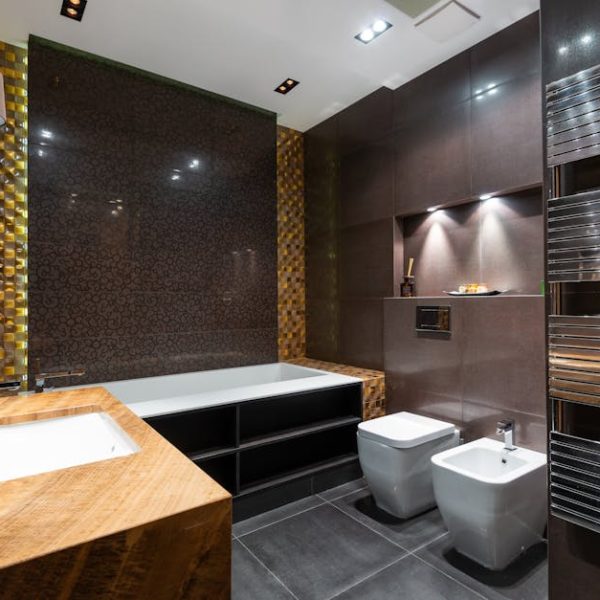
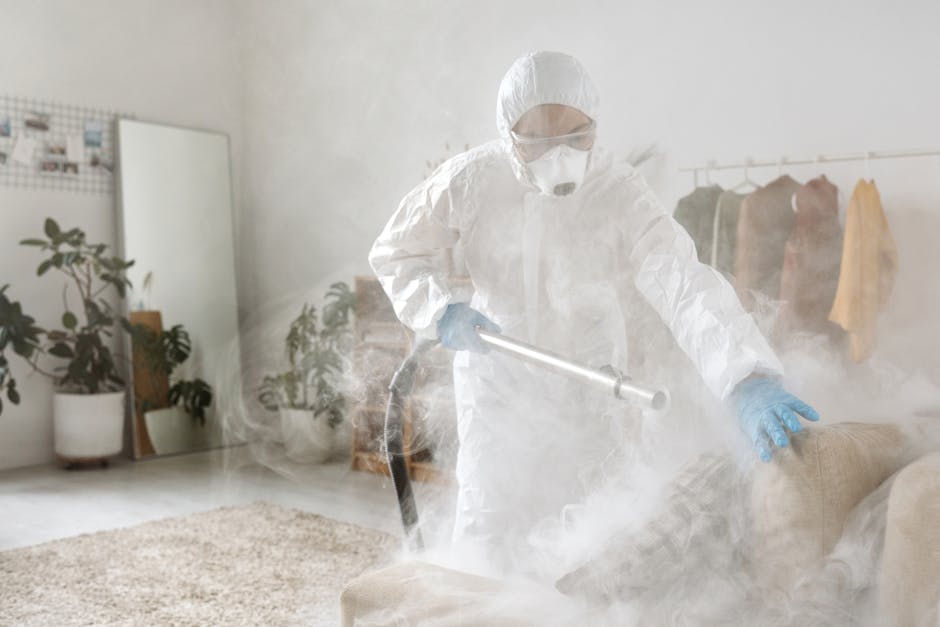
If cleanliness is next to godliness, then a thoroughly disinfected bathroom is as close as it comes to a domestic shrine of sanitation. In truth, a sparkling clean and germ-free bathroom is not only pleasing to behold, but it’s also vital for our health. Given that bathrooms can easily become breeding grounds for various bacteria and germs, effective disinfection is key to preventing the spread of diseases.
Importance of Disinfecting Bathrooms
Think of the bathroom as a complex ecosystem teeming with microorganisms. While this may be a sobering thought, the reality is that not all these microorganisms cause harm. However, dangerous pathogens like E. coli, Staphylococcus aureus, and Salmonella can lurk on bathroom surfaces and utensils, making it imperative to keep this high-traffic area as germ-free as possible.
Even more troublesome, bathroom environments are often warm and moist—ideal conditions for indoor mould growth. Some types of mould, such as Stachybotrys chartarum or ‘black mould’, can cause health issues ranging from allergic symptoms to respiratory infections.
**Pro tip:** Regular disinfection is pivotal in preventing the spread of these infections. Incorporating effective disinfecting practices into your cleaning routine can keep your bathroom safe and clean.
Commonly Used Disinfecting Solutions
When it comes to bathroom disinfecting solutions, universal favourites like Lysol and Clorox are usually the go-to. Lysol is a popular choice due to its wide range of surfaces the cleaner can be used on, and it leaves a fresh scent after use. Meanwhile, Clorox is potent germ-killing bleach, which is particularly effective in tackling toilet bowl germs.
However, both options can have downsides. Repeated use of bleach products like Clorox can lead to respiratory problems over time, while Lysol, although lighter, contains chemicals that can be harmful to the skin and eyes.
Brilliant DIY Disinfecting Solutions
Why not roll up your sleeves and concoct your own disinfecting solutions? Homemade disinfectants can be surprisingly effective and often come with added benefits. For example, a cupboard staple such as vinegar is a natural disinfectant and scale remover! Plus, making your own solutions allows you to have control over what’s in your cleaning products.
However, not all DIY solutions offer the pathogen-killing capabilities of commercially available products. For instance, vinegar disinfects by preventing the growth of germs rather than actually killing them off. A comparison of these options will provide clarity on the right choice for your home.
Stay tuned for our practical tips on using natural disinfecting solutions, including a list of reliable, eco-friendly options. We will also explore the best disinfecting routine to ensure that you maximise your cleaning efforts. After all, a clean and healthy bathroom is a happier home!
Effective Natural Disinfecting Solutions
Long before chemical disinfectants flooded the market, people used natural substances to clean and disinfect their homes. In fact, many of these natural substances are still just as effective today.
Two powerful natural disinfectants are tea tree oil and vinegar. Tea tree oil possesses strong antibacterial properties which can kill majority of the bacterial species. Vinegar, on the other hand, besides being a natural disinfectant, is a great solution for cutting through grime and soap scum typically seen in bathrooms.
It is vital to remember, though, that their strength can vary, and they are not suitable for all surfaces, for instance, vinegar can harm natural stone.
**Pro Tip:** Combine equal parts vinegar and distilled water, drop a few drops of tea tree oil for a fresh smell and added disinfecting power, and you’ve got yourself a potent natural disinfectant!
Disinfecting Routine to Maximize Effectiveness
Regular and effective cleaning can help counteract the rapid germ multiplication in your bathroom. Here are some best practices and effective steps for a proactive cleaning regimen:
- Start by washing bathroom surfaces like countertops, sinks and taps with warm soapy water.
- Next, apply your chosen disinfecting solution. Whether it’s DIY, commercial, or natural, spray it liberally across all surfaces, particularly high-touch areas such as light switches, door knobs and toilet handles.
- Leave the disinfectant on for the time recommended on the label. For homemade solutions, a general rule of thumb is to let it sit for at least 10 minutes.
- Finally, rinse thoroughly with plenty of water and dry with a clean towel.
Let’s not forget a checklist of key focused areas that should be regularly disinfected:
- Door handles and light switches
- Toilet bowl and handle
- Sink and faucet handles
- Shower faucet, curtain, and door
- Bathroom countertops
- Towels and mats
Instilling good habits and a strict disinfection routine will ensure that your bathroom remains a safe environment for all household members. Put it on the calendar, make it habitual, and you will be rewarded with a clean and germ-free bathroom fostering good health. The key is to be consistent. With the right tools, the right disinfectants, and the right diligence, your bathroom will shine in all its germ-free glory!
So there you have it – 10 brilliant bathroom disinfecting solutions. Remember, it’s not just about making your bathroom look pristine, but also ensuring that it is a safe and healthy space for you and your family. Stay clean, stay healthy!
Key Takeaway:
- The importance of keeping a clean and disinfected bathroom cannot be understated. This reduces the risk of dangerous pathogens like E. coli, Staphylococcus aureus, and Salmonella.
- Common disinfectants like Lysol and Clorox are typically utilized, but prolonged exposure can pose health risks.
- DIY solutions present a safer alternative by providing control over the ingredients, but might not provide the same pathogen-killing capabilities.
- Natural solutions such as tea tree oil and vinegar provide effective and eco-friendly alternatives.
- Regular disinfection and adherence to a thorough cleaning routine are pivotal in ensuring long-term sanitation.
Maintaining a clean and disinfected bathroom not only provides aesthetic pleasure but has significant health benefits. These insights into various disinfecting solutions can assist you on your journey towards establishing a healthy and safe home environment.
FAQs
Q: What is an easy homemade disinfectant for bathrooms?
A: One simple solution can involve mixing equal parts of vinegar and distilled water and adding a few drops of an essential oil such as tea tree oil for additional disinfection and a pleasant aroma.
Q: Can natural disinfectants kill all types of bacteria?
A: While natural disinfectants like tea tree oil and vinegar have potent antibacterial properties, they may not be able to eliminate all types of bacteria. They might be less powerful compared to commercial disinfectants.
Q: What precautions should I take while using commercial disinfectants like Lysol and Clorox?
A: Always use these products in a well-ventilated area, wear gloves to avoid skin contact, and avoid getting these solutions in your eyes. Overexposure could pose health risks, so use them judiciously.
Q: How often should I disinfect high-touch areas in the bathroom?
A: High-touch areas such as light switches, door knobs, and toilet handles should be disinfected daily due to their frequent usage and potential to spread germs.
Q: What is a good routine for disinfecting the bathroom?
A: An efficient routine might consist of washing bathroom surfaces with warm soapy water, using your chosen disinfectant, allowing it to sit for the recommended time, and then thoroughly rinsing and drying.
Feel free to share this article with others who may find it useful and explore other posts on our website to learn more about maintaining a healthy and clean home environment.