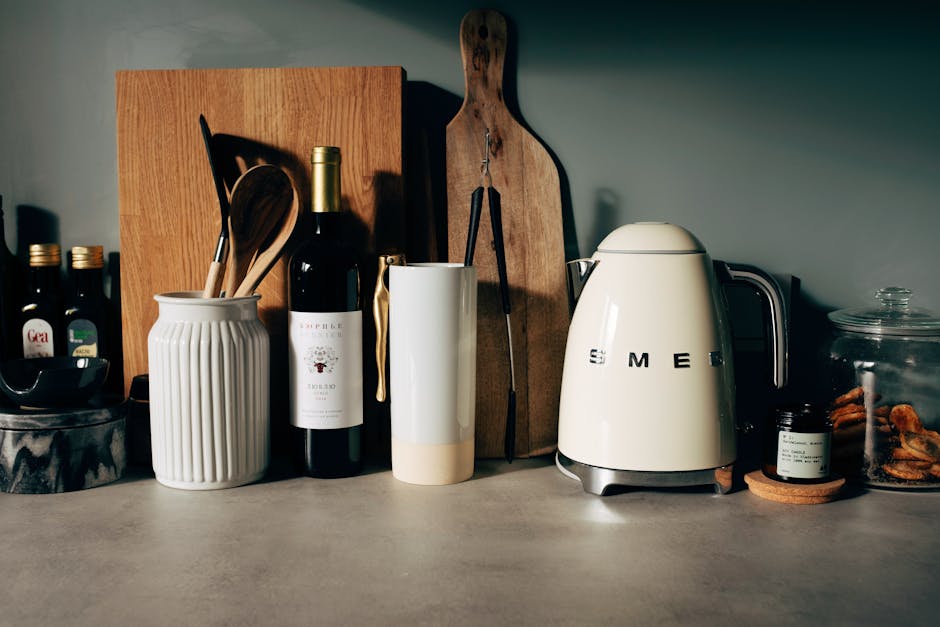
A squeaky clean electric kettle not only looks good on your countertop but also functions at its optimal best. Regular descaling benefits include prevention of mineral build-up that can cause slow heating and complete malfunction, and avoid health risks associated with accumulating minerals. Below are strategies, from natural home remedies to commercially available cleaners, to help you maintain your kettle’s sparkling condition.
The Importance of Descaling Your Electric Kettle
As water heats in your electric kettle, mineral deposits such as calcium and magnesium take form, sticking to the interior walls of your kettle. Therein lies the problem – these deposits can impede your kettle’s performance by slowing down the time it takes to heat water and even shortening its lifespan if left unattended. Moreover, potential health risks can arise from consuming these minerals that might leach into your water over time.
Pro tip: Be alert to slow heating or reduced capacity – these might be signs that your kettle is crying out for a descale.
Understanding Limescale: What It Is and How It Affects Your Kettle
Limescale is the chalky, off-white crust, largely composed of calcium carbonate, which accumulates over time in your kettle due to the heating and cooling of hard water. It makes itself at home everywhere, from the bottom of the kettle to the spout and even the heating element.
Tip #1: Using White Vinegar to Descale Your Kettle
Perhaps the oldest trick in the book, white vinegar, with its acetic acid content, can effectively break down limescale. Simply fill your kettle with equal parts of vinegar and water and let it soak. Once soaked, boil this solution. This action will loosen the mineral deposits, making them easier to wipe away.
Pro tip: Opt for distilled white vinegar, free from additional flavors and colors, which could leave behind an unpleasant aroma.
Pros: Natural, efficient, and cost-effective.
Cons: Requires thorough rinsing to eliminate residual vinegar smell and taste.
Tip #2: Using Lemon Juice for Descaling
Lemons contain citric acid capable of giving limescale a run for its money. Add a large squeeze of lemon to water and fill your kettle. You can even throw in a few lemon slices for good measure. Boil and let it soak. The acidity of lemon acts as a great descaling agent, breaking down the limescale deposits.
Best Practices: Ensure a thorough rinse after use to avoid ‘lemon-flavored’ tea or coffee.
Pros: Natural, affordable, leaves kettle smelling fresh.
Cons: Requires larger quantities of lemon juice to be as effective as vinegar.
Proceed to the additional descaling methods for a varied approach that’s easy to apply and effective in maintaining a shiny, efficient kettle.
Tip #3: Using Baking Soda to Clean Your Electric Kettle
Another kitchen staple that works wonders is baking soda. Add one to two tablespoons of baking soda to water and fill your kettle. Boil this mixture, let it cool a bit and then rinse thoroughly. Baking soda tackles limescale deposits and removes stains due to its mild abrasive nature and alkalinity.
Pro tip: It’s important to rinse your kettle thoroughly after this process to avoid any residual baking soda effecting the taste of your tea or coffee.
Pros: Easily available, natural, dual-purpose (cleans and descales).
Cons: May require repeated rinsing to completely remove residue.
Tip #4: Commercially Available Descaling Solutions
When home remedies aren’t cutting it, you can turn to professional descaling solutions available in the market. Typically, these solutions are easy to use and highly effective but may be a bit more expensive than your kitchen remedies.
Checklist:
- Ensure that the solution is safe for electric kettles.
- Is the solution odor and flavor free?
- Does it have good user reviews?
Versus Table:
“`HTML
| Homemade Descalers | Commercial Descaling Products | |
|---|---|---|
| Cost | Cheaper | More expensive |
| Effectiveness | Varies | Usually high |
| Availability | On hand in most kitchens | May require store visit or online purchase |
“`
Tips #5-7+: Preventive Measures to Minimize Limescale Buildup
While descaling is an effective way of managing mineral deposits, it’s not the only strategy. By adopting some preventive measures such as using filtered water, emptying the kettle after each use and avoiding overfilling, you can significantly reduce limescale buildup.
Checklist:
- Use filtered water as it usually contains fewer minerals.
- Don’t leave water to sit in the kettle after use.
- Avoid overfilling the kettle.
Best Practices: Make descaling a regular exercise, ideally, every two to three months, depending on usage. Regular maintenance will keep your kettle running smoothly and efficiently. Don’t let limescale spoil your perfect cup of tea or coffee – with these simple tips, you’ll have a shiny, efficient kettle in no time.
Key Takeaway:
- Regular descaling prevents mineral buildup in kettles which affects heating speed and can cause health risks.
- Limescale resulting from the heating of hard water is responsible for mineral deposits.
- White vinegar, lemon juice, baking soda, and commercial solutions effectively descale electric kettles.
- Frequently rinsing the kettle, using filtered water, and not overfilling are some preventive measures.
Maintaining your electric kettle is quite an elementary task with these easy and cost-effective tips. You’ll not only improve its functioning but also extend its lifespan ensuring you continue to enjoy your hot beverages just the way you prefer. Now that’s taking your health and satisfaction into your own hands!
FAQs
Q: Can I use the apple cider vinegar instead of white vinegar to descale my kettle?
A: While apple cider vinegar can work, it’s better to use white vinegar due to the strong smell and potential staining from apple cider vinegar.
Q: How often should I clean and descale my electric kettle?
A: It’s best to descale your kettle every two to three months. The frequency might increase with heavy use or hard water.
Q: I have a stainless steel kettle. Can I use lemon juice to descale?
A: Yes. Lemon juice can be used safely on stainless steel kettles. Just rinse thoroughly to avoid any lingering taste.
Q: Are there any safety precautions to be taken while using commercial descaling solutions?
A: Always follow manufacturer’s instructions. Ensure the solution is specifically designed for electric kettles and is flavour and odour-free.
Q: Will any of these descaling methods damage the heating element of my electric kettle?
A: No. The methods provided are meant to remove limescale deposits without damaging any part of the kettle.
If this article was helpful, feel free to share it with others and discover more useful tips in our other posts!