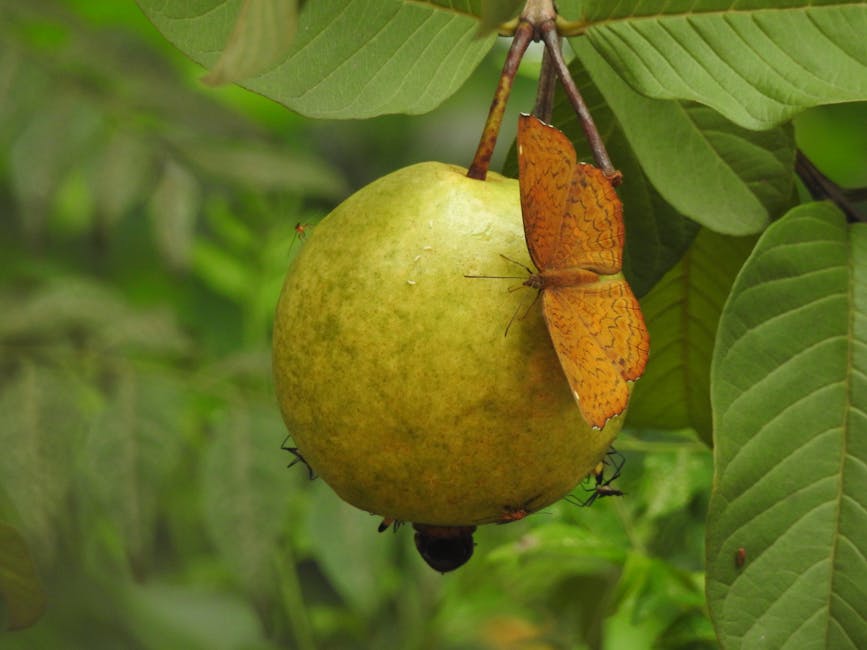
Addressing a fruit fly problem starts with understanding these tiny pests. Fruit flies, as their name suggests, are attracted to fruits, specifically overripe or rotting ones. Known for their exceptional reproductive speed, fruit flies lay around 500 eggs near fermenting foods or other yummy organic materials. They also possess a unique sense, known as the quantum sense, enabling them to respond to specific types of light, guiding their flight and food source finding ability.
So, how can you tell if your kitchen has been invaded by these flying nuisances? If your eyes catch an increase in small fly sightings, especially around food or waste bins, you likely have an infestation on your hands. Other indicators include detecting a sour smell emanating from hidden corners of your kitchen or the horrifying revelation of larvae in your food.
Pro Tip: Before starting your battle against fruit flies, understand their behavior and food preferences. This will empower your strategies and make your efforts more effective.
The Important Role of Hygiene in Fruit Fly Control
Hygiene is a pivotal weapon in your fruit fly elimination arsenal. Neglected waste bins, food spills, and improperly stored perishables become irresistible fruit fly magnets. Therefore, maintaining regular cleanliness is crucial to prevent and curb infestations.
For instance, make it a point to wipe up any food spillages immediately. Ensure your garbage bins are properly covered and routinely take out the trash. Overripe fruits should not be left out in the open but instead disposed of quickly or refrigerated. Washing up dirty dishes immediately after use also eliminates potential breeding grounds for fruit flies.
Best Practices: Use vinegar to clean your kitchen counters – the smell deters fruit flies. Dispose of rotting fruit immediately and never leave out dirty dishes overnight.
Compare this approach to using chemical methods: maintaining cleanliness is not only good for your overall health, but it’s also eco-friendly and cost-effective. However, it does require constant effort. Chemical treatments offer easy, quick yet temporary solutions but may involve health risks and environmental contamination.
Natural Methods to Get Rid of Fruit Flies
If your kitchen battles with fruit flies persist despite your best hygiene efforts, consider deploying natural remedies. One effective measure is the DIY vinegar trap. Fruit flies are enticed by the smell of fermentation, and a vinegar trap exploits this. For this method, you’ll need apple cider vinegar, a jar, cling wrap, and a toothpick.
Steps for Creating a DIY Vinegar Trap:
- Fill a jar halfway with apple cider vinegar
- Cover the jar tightly with cling wrap
- Use a toothpick to poke tiny holes in the cling wrap
- Place the jar where you notice the highest fruit fly activity
Pro Tip: Natural methods are always the first line of defense against fruit flies – they pose no risk to you, your family, or pets and are kind to the planet. Aside from vinegar traps, other natural repellents include essential oils such as lavender and lemongrass.
Effective Commercial Products for Fruit Fly Control
There is a wide spectrum of commercial products available for fruit fly control ranging from adhesive fruit fly traps to spray insecticides and fly papers. Awareness of these products and their features can arm you with additional tools to battle severe infestations.
Fruit fly traps lure flies with a non-toxic attractant, which trap and eliminate them. Insecticides offer a potent approach to eliminate adult fruit flies, but might fail to eradicate larvae. Fly papers utilize a sticky surface to capture flies, but their unsightly appearance can be a drawback for some.
| Fruit Fly Traps | Insecticides | Fly Papers | |
|---|---|---|---|
| Effectiveness | High | Varies | High |
| Safety | High | Low | High |
| Cost | Medium | High | Low |
Best Practice: If you choose to use insecticides, remember to follow safety measures such as ventilating your kitchen after its use, keeping it out of reach of children and pets, and avoiding direct contact with food and utensils.
Involving Pest Control Professionals in Severe Infestations
Despite your best efforts, some fruit fly infestations may persist, calling for expert help. Professional pest control services bring to the table their expertise and specialized tools to handle severe infestations. They conduct a thorough analysis of the infestation and implement targeted, effective treatments.
Before you resort to professional help, make a checklist considering the severity of the infestation, your previous self-remediation attempts and potential health risks due to an unchecked infestation.
Pro tip: In case of severe infestations, do not hesitate to hire a licensed pest control service. Not only can professionals safely get rid of fruit flies, but they’ll also advise on how to prevent future infestations, making your kitchen a safer and more pleasant space.
Key Takeaway:
- Understanding the behaviour, traits, and attraction to overripe fruits and organic matter of fruit flies is crucial.
- Hygiene plays a vital role in preventing fruit fly infestations. Immediate cleanup of food spills, regular trash disposal, and proper food storage are best practices.
- Natural methods such as DIY vinegar traps and essential oil use are safe and effective solutions to control fruit flies.
- Commercial products like insecticides, fruit fly traps, and sticky fly papers are available, but one should compare their effectiveness, safety, and cost.
- In case of severe infestations, dealing with licensed pest control professionals would be most beneficial.
In dealing with fruit flies, it’s always best to maintain cleanliness in your kitchen, use natural methods as your first choice, consider commercial products when necessary, and seek professional help for severe cases. It might take effort and time, but a safe, clean, and fruit fly-free environment is worth it.
FAQs
Q: Can a single fruit fly lay eggs in my kitchen?
A: Yes, a single fruit fly can lay about 500 eggs near rotting and fermented food items. This is why it’s crucial to maintain clean surroundings and dispose of overripe fruits promptly.
Q: Can I completely eliminate fruit flies with hygiene practices only?
A: While maintaining cleanliness can significantly reduce the chances of a fruit fly infestation, it may not completely eliminate the issue. You might need to apply additional methods like natural pest control solutions or commercial products.
Q: What are some downsides of using commercial insecticides against fruit flies?
A: While commercial insecticides can be effective, they may pose potential risks to your health and the environment. It’s important to follow safety guidelines when using such products and consider natural alternatives initially.
Q: Do I always need to call a professional pest control service for fruit flies?
A: Not necessarily. However, if your kitchen is experiencing a severe infestation, or if your efforts to eliminate the fruit flies have failed, it’s advisable to enlist the help of professionals.
Q: Can natural methods completely eradicate fruit fly infestations?
A: Natural methods such as DIY vinegar traps and essential oils can be helpful in controlling fruit fly infestations, but in cases of severe infestations, you might need to use commercial products or seek professional help.
We hope this article was insightful. Feel free to share it and explore more posts on our website for additional tips and advice.