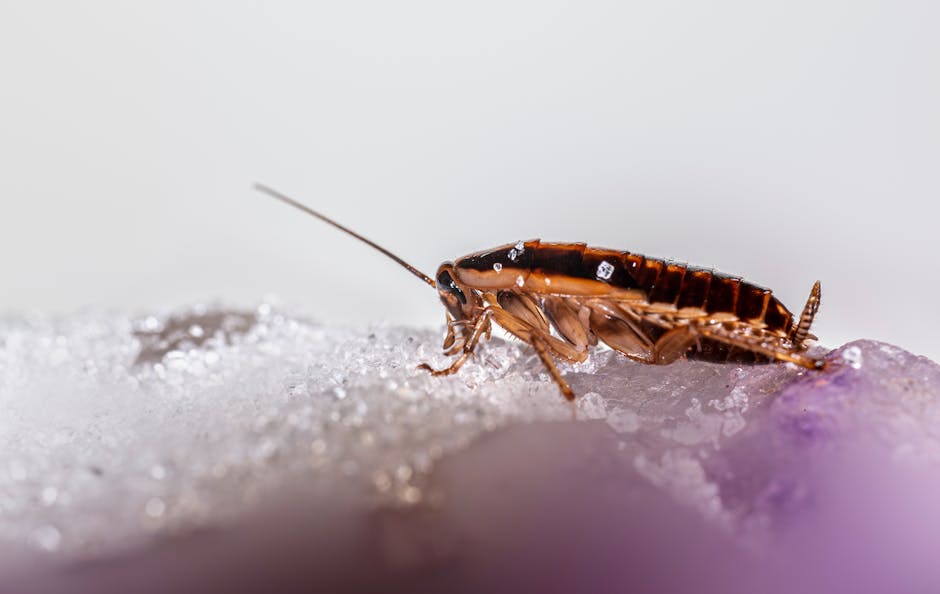
Bed bugs are pesky pests that wreak havoc once they infiltrate homes and infest living spaces. Distinguished by their small, brownish oval-shaped bodies and the itching discomfort they cause, these insects are adept at hiding in nooks and crannies and strike as you slumber. Often, there are telltale signs indicative of their unwanted presence, such as red, itchy bites on your skin, dark or rusty spots of bedbugs excrements on sheets and mattresses, and an offensive, musty odor from the bugs’ scent glands. Spotting these signs early on is vital for managing an infestation and preventing further chaos.
Moving on, it’s crucial to acknowledge the inherent risks and drawbacks associated with chemical pesticides often used in bed bug extermination. While these insecticides may be effective, they also pose risks to human health and can have detrimental impacts on the environment. Therefore, it’s imperative to explore natural alternatives that promise the same effectiveness with fewer risks. When comparing the effects of these extermination methods, bear in mind factors such as safety, cost-effectiveness, and impact on the environment.
Here’s where natural alternatives like Diatomaceous Earth come into focus. This natural product, derived from tiny, fossilized aquatic organisms known as diatoms, effectively eliminates bed bugs by invading their exoskeleton and dehydrating them. To use Diatomaceous Earth against bed bugs, apply a thin layer to every area where they might lurk, like your mattress, bed frame, rugs, and furniture. While it is a slower method of extermination, consistent applications prove impactful.
Essential oils are another safe, aromatic defense against bed bugs. Tea tree and lavender oils, in particular, have proven effective in eliminating these nocturnal pests. Easy to apply, you can add a few drops of these oils in a spray bottle filled with water and spray it over affected areas of your home. Notably, while essential oils are generally safe, some people may have allergic reactions, hence the necessity for caution and patch testing.
Lastly, heat treatment is a highly effective approach to eradicating bed bugs if carried out correctly. Bed bugs and their eggs succumb when exposed to temperatures above 118 degrees Fahrenheit. However, maintaining such high temperatures for an extended period comes with fire risks, and it’s not always convenient or accessible to homeowners. Therefore, it demands a balance between effectiveness and safety. This method often involves professional help, but you can adopt smaller measures such as washing and drying bedding and clothing at high temperatures, especially if you’ve recently spent the night in an infested area.
As you journey against bed bugs, remember, the war is not won overnight. With patience, persistence, and these natural methods at your disposal, you can indeed reclaim your space and tranquility.
Understanding Bed Bugs: Identification and Infestation Signs
You may be wondering, what exactly are these pesky little critters known as bed bugs? Bed bugs (Cimex lectularius) are small insects that primarily feed on human blood. They typically have flat, oval-shaped bodies that are brownish in color. However, after feeding, their bodies may become reddish and swollen. You might not spot these nocturnal insects as they prefer to stay hidden during the day in crevices, joints of furniture, or seams of your mattress, making their move under the cover of darkness.
- Red, itchy bites on your skin,
- Dark or rusty spots (bed bugs excrement) on your sheets, mattresses, and clothing,
- Shed bed bugs skin or egg shells,
- An unpleasant, musty odor from the bugs’ scent glands,
- Observing the actual bugs on your bed, in seams of your mattress, or cracks in bed frames and furniture.
Checklist:
- Inspect for live bugs or their signs (like small bloodstains or molted skins) in the seams, cracks, and crevices of your mattress, pillows, and furniture.
- Check your skin for unexplained red, itchy welts.
- Sniff around for a sweet, musty odor — a sign of a more established infestation.
- Seek professional help if your DIY inspection uncovers a potential problem.
The Risks of Chemical Pesticides and the Need for Natural Methods
Admittedly, chemical insecticides are effective in guarding your home against bed bugs. However, their heavy reliance can lead to significant health problems, such as skin and eye irritation, nervous system issues, and even cancer, particularly in children and pets. Beyond human health, these chemicals can also wreak havoc on the environment, contaminating water supplies and harming non-target species in the process. That’s where natural methods come into play.
| Natural Methods | Chemical Pesticides | |
|---|---|---|
| Safety | Generally safer, with few adverse health effects. | Regular exposure can lead to health complications. |
| Cost-effectiveness | Often cheaper and easily accessible. | Can be expensive, especially for ample spaces. |
| Impact on the environment | Environmentally friendly. | Potential for water contamination and harm to non-target species. |
Pro Tip: While chemical pesticides can be a fast and effective way of exterminating bed bugs, there are serious health implications to consider as well as environmental damage. It’s essential to use chemical pesticides responsibly, strictly following the instructions or consider using natural alternatives where possible.
Natural Method 1: Diatomaceous Earth
Also known as the “miracle mineral,” Diatomaceous Earth (DE) is a powder formed from fossilized marine phytoplankton. Gritty in nature, DE works by breaking down the insect’s cuticle that leads to desiccation or death by dehydration.
- Sweep and vacuum the areas to be treated thoroughly before application to improve DE effectiveness.
- Lightly dust, don’t heap, your chosen areas, such as under the bed, along baseboards, on your mattress — basically, any place the bugs can hide.
- Leave it undisturbed for about a week to let it do its work, then vacuum it up.
- Repeat the process as necessary until all bugs are eliminated.
Best Practices: Always wear a mask and gloves when handling DE to avoid inhalation and skin contact. And remember, you should only use food-grade diatomaceous earth as it’s safe, non-toxic, and harmless to humans and pets.
Natural Method 2: Essential Oils
Aromatic and therapeutic, essential oils can serve as a potent weapon against bed bugs. Suitable candidates include tea tree oil, lavender, peppermint, eucalyptus,
Key Takeaway:
- Bed bugs are small insects that thrive on human blood, often hiding during the day and striking when people sleep.
- Chemical pesticides used to exterminate bed bugs can cause significant health issues and lead to environmental damage.
- Diatomaceous Earth, essential oils like tea tree and lavender, and heat treatments are effective, natural alternatives to chemical insecticides in exterminating bed bugs.
- Using these methods require patience and persistence, but they carry fewer risks and can provide long-term relief from bed bug infestations.
A bed bug infestation can be a nightmare, but there are safe, natural solutions available. With careful monitoring, the use of natural methods like Diatomaceous Earth, essential oils, and heat treatment, and a healthy dose of patience, you can reclaim your peaceful, bug-free home and sleep easy. Now, let’s look at some common questions regarding bed bug extermination.
FAQs
Q: Why is it necessary to identify bed bugs early?
A: Early identification of bed bugs can prevent a full-blown infestation, making it easier and quicker to eliminate them.
Q: Can I use any type of Diatomaceous Earth to eliminate bed bugs?
A: No, it’s recommended to use only food-grade Diatomaceous Earth. Its safe, non-toxic, and harmless to humans and pets.
Q: Are all essential oils effective against bed bugs?
A: Not all essential oils are effective. Some, like tea tree, lavender, and eucalyptus, have shown promising results in eliminating bed bugs.
Q: Can I carry out heat treatment myself?
A: While certain measures can be carried out at home, like washing and drying bedding at high temperatures, professional assistance is often required for larger-scale heat treatment.
Q: How long does it take to completely eliminate bed bugs using natural methods?
A: The time varies depending on the severity of the infestation. It requires consistent application and patience, as natural methods may take longer than chemical ones.
Help contribute to a greener future by sharing this article with your friends and family. Check out our other posts for more environmentally-friendly tips and tricks.