
Engineered hardwood floors offer a touch of elegance and sophistication to any space. They are a reliable and cost-effective alternative to solid hardwood floors which retains their stunning aesthetics. However, due to their unique structural composition, these floors have a specific cleaning regiment that enables them to maintain their lustrous charm. In this article, we offer 17 clever tips to keep your engineered hardwood floors in top-notch condition.
Understanding Engineered Hardwood Floors
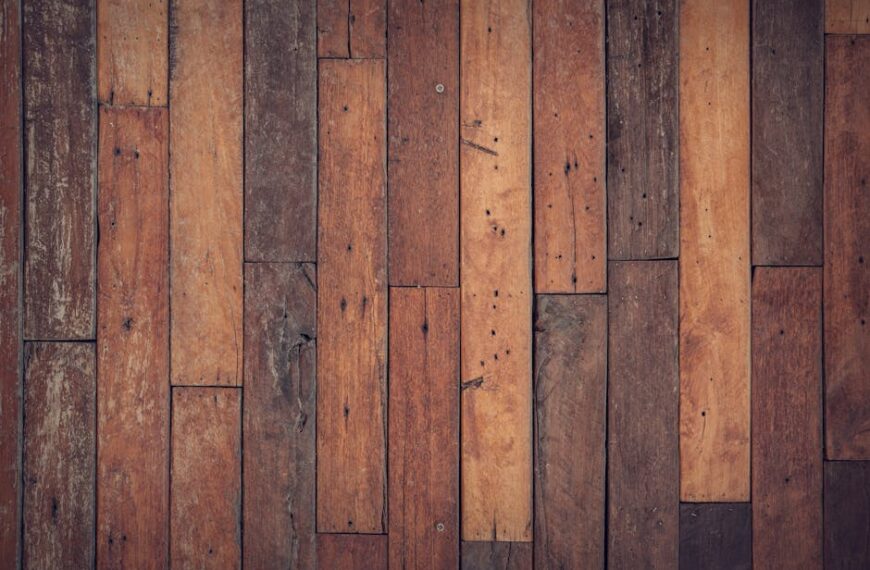
Engineered hardwood floors are manufactured using multiple layers of wood adhered together. This unique construction offers exceptional stability, reducing expansion and contraction issues that are common with solid hardwood. They are an excellent choice for spaces with fluctuating temperatures and humidity levels.
However, this multi-layered composition means they have unique cleaning needs that any owner should acquaint themselves with. Regular sweeping and immediate attention to spills is essential, keeping in mind that using the wrong cleaning agent can risk damaging the veneer surface.
Best Practices:
- Avoid exposing your floor to excessive moisture.
- Use protective pads under furniture to prevent scratches.
- Restrict pets with sharp claws.
Choosing the Right Cleaning Products
The health and longevity of your engineered hardwood floors depend significantly on the type of cleaning products you use. Opting for harsh chemicals that promise quick results can degrade your floor’s finish, leading to an unsightly dullness.
Safe Cleaning Products for Engineered Hardwood Floors:
- PH neutral soap
- Mild dishwashing detergents
- Commercially available cleaners specifically designed for engineered hardwood floors.
Pro Tips: Watch out for cleaning products that contain ammonia, bleach, or vinegar. Their acidic nature can corrode your floor’s surface, diminishing its shine and inviting more dirt accumulation.
Regular Dusting – The First Line of Defense against Dirty Floors
Consistent dusting can significantly enhance your floor’s cleanliness by preventing the accumulation of dirt and debris, which might scratch the veneer. For instance, using a dust mop or a vacuum with a brush roll feature can help capture dust particles more effectively.
Manual Dusting Vs. Automated Sweeping Tools:
- Manual dusting allows for flexibility to access hard-to-reach areas but may be labor-intesive.
- Automated tools save time and effort but may not be as thorough as manual dusting.
Instantly Taking Care of Spills and Stains
Fast action in case of spills prevents moisture from seeping into the wood layers, averting potential warping or staining. Whether it’s water, juice, or coffee, ensure to blot out the spill using a soft, absorbent cloth.
Steps to Effectively Clear Spills:
- Blot the spill gently with a dry cloth. Avoid rubbing.
- Wipe the area with a damp cloth.
- Dry the spot thoroughly.
- If the stain persists, use a specially formulated cleaner for engineered hardwood floors.
Pro Tip: Easily remove common stains like coffee by dabbing with a cloth slightly dampened with diluted white vinegar. But remember, never allow vinegar to rest on the surface too long due to its acidic nature.
Deep Cleaning Engineered Hardwood Floors
Regular dusting and spill management is vital, but over time, you will need to conduct a thorough deep cleaning for your engineered hardwood floors. This procedure helps eliminate any accumulated dirt that normal cleaning cannot handle, ensuring a clean, shiny finish.
Step-by-step Guide to Deep Cleaning:
- Dust the floor thoroughly to remove loose debris.
- Prepare a mild cleaning solution based on the flooring manufacturer’s instructions.
- Using a mop slightly damp with the cleaning solution, clean the floor in sections.
- Dry the floor properly to avoid moisture absorption.
Commercial Cleaners Vs DIY Solution:
- Commercial cleaners are convenient and designed specifically for engineered hardwood floors, but they may be expensive.
- DIY cleaning solutions require careful measurement and mixing but can be cheaper and equally as effective.
Pro Tips:
- Avoid over-wetting the mop; it should be barely damp.
- Test any new cleaning solution on an inconspicuous area before applying it to the entire floor.
Practicing Proper Care and Maintenance
Maintaining the beauty of your engineered hardwood floors is a long-term commitment. Proper care will not only prolong the life of your floors but also keep them looking fresh and impressive.
Do’s and Don’ts in Maintaining Engineered Hardwood Floors:
- Do use soft, non-abrasive cloth or mops for cleaning.
- Don’t use steam mops, as the steam can penetrate the layers and cause damage.
- Do place rugs at entry points to minimize dirt coming from outside.
Pro Tip: For minor scratches and scuffs, using a touch-up kit recommended by your flooring manufacturer can effectively camouflage the damage.
When To Seek Professional Help
There may be situations when the condition of your floors may require professional help. Recognizing these signs early can help you save on costly repairs in the future.
Signs for Professional Help:
- Persistent and widening gaps between the planks.
- Significant discoloration or stains.
- Squeaking or buckling floors.
Pro Tip: Always opt for a professional cleaning service that specializes in engineered hardwood floors. Their knowledge and experience offer you the best chance of restoring your floor’s glory.
Maintaining your engineered hardwood floors can seem like a daunting task, but with the right knowledge and approach, it can be manageable. Remember, the key is consistent cleaning and using the right tools and products. Happy cleaning!
Key Takeaway:
- Engineered hardwood floors, owing to their multi-layered composition, have unique cleaning requirements which, if followed, can maintain their beauty and durability.
- Safe, mild cleaning products tailored for these floors along with regular dusting and immediate spills’ attention can prevent potential damage.
- Deep cleaning is necessary over time, either using commercial cleaning agents or a DIY solution.
- Proper care and maintenance practices, like using protective pads under furniture and avoiding over-exposure to moisture, can prolong the floor’s life.
- There might be situations that necessitate professional help, early recognition of which can prevent serious damage.
Retaining the shine and allure of your engineered hardwood floors is not an uphill task, given you understand their unique structural composition and adhere to the prescribed cleaning regiment. Always remember that consistency is key and appropriate care taken today can save you from costly repairs down the line. Be a proud owner of a sparkling clean, classic floor that exudes elegance.
FAQs
Q: Are regular household cleaning products safe for my engineered hardwood floor?
A: Not all household cleaning products are safe for engineered hardwood floors. It’s crucial to avoid products that contain bleach, ammonia, or vinegar as they can potentially damage the floor’s surface. Always opt for mild, pH-neutral soaps or cleaners specifically designed for these types of floors.
Q: Can I use a steam mop to clean my engineered hardwood floor?
A: It’s best to avoid using steam mops on engineered hardwood floors. The high temperature and moisture content can potentially seep through the layers, causing damage.
Q: What is the best way to deal with spills on my engineered hardwood floor?
A: For spills, act promptly. Gently blot the spill with a dry or slightly damp cloth to prevent the liquid from seeping into the layers. If stains persist, use a cleaner specifically designed for engineered hardwood floors.
Q: How often should I deep clean my engineered hardwood floor?
A: The frequency of deep cleaning depends on the foot traffic and general dirt accumulation on your floor. However, a general rule of thumb is to deep clean at least once a year or as needed.
Q: When should I seek professional help for my engineered hardwood floors?
A: If you notice persistent gaps between the planks, significant discoloration, staining, or any form of distortion like squeaking or buckling, it’s best to seek professional help. These might be signs of severe damage that need advanced repair.
Share this article to help others treat their engineered hardwood floors right. You’ll find more valuable insights and tips in our other posts, so keep exploring our website!