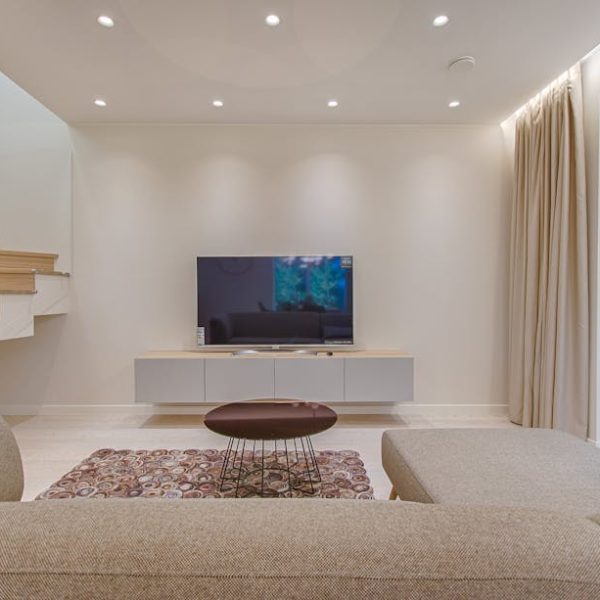
Enshrined in the unwavering battle against unappealing interiors, a distasteful sight awaits – the wall residue. Stubborn sticky adhesives, remnants of wallpaper paste, or scattered paint splatters often exist as undeniable eyesores that mar the vision of an impeccably clean household. Understanding and effectively combatting wall residue can completely transform your aesthetic surroundings, returning them to their former glory.
Understanding The Nature of Wall Residue
Residues on the wall exist as a property owner’s nightmare. Not only do they affect the aesthetic value of an interior but they can also cause lasting damage to the wall, such as discoloration, peeling, or cracking. Furthermore, these sticky adversaries are obstinate, often refusing to be removed entirely and leaving unsightly marks in their wake.
- Sticky adhesive: Often left behind from stickers or tape, these residues can be particularly troublesome to eliminate without causing damage to the paint underneath.
- Paint splatters: Whether accidental or a result of careless application, paint spatters can disrupt the uniformity of a wall’s appearance.
- Wallpaper paste: Leftover wallpaper paste often leaves a wall bumpy and uneven, building the groundwork for future wallpapering problems.
Necessary Tools and Safety Measures for Residue Removal
When dealing with wall residue, preparation is key. Not only do you need the right tools for the job, but you must also consider safety measures to prevent accidents or damage.
- Tools: Having a scraper, a sponge, soft cloths, a dish soap, and a bucket of warm water on hand can make all the difference.
- Protective measures: To avoid stains or water damage to your belongings, cover the floor and nearby furniture with plastic sheeting. Also, wearing protective gloves can help protect your skin from any potentially harsh cleaning solutions.
Steps in Removing Mild Wall Residue
Mild wall residue, though frustrating, can be handled with relative ease adopting simple cleaning techniques. A common household item like dish soap, when used with warm water, can help dissolve the stubborn adhesive or paint splatters.
- Dilute a small amount of dish soap in a bucket of warm water.
- Dampen a sponge or cloth in the soapy water and apply it to the affected area.
- Allow it to sit for a few minutes, allowing the soap to break down the residue.
- Gently scrub the area with a soft cloth or sponge until the residue is gone.
Remember, a light-handed approach is critical when dealing with wall residues to avoid causing further damage to your walls.
Techniques for Removing Stubborn Wall Residue
Tough residues can present a more daunting challenge, often resisting the power of simple soap solutions. This is where commercial residue removers step in, presenting a more potent alternative for stubborn adhesives or paint.
- Commercial products: Numerous commercial adhesive removers are available that tout efficiency in residue removal. Some popular choices include Goo Gone, Krud Kutter, and WD-40.
- Home remedies: However, if you’re looking for a DIY solution, items like white vinegar, baking soda, or rubbing alcohol can be surprisingly effective.
| Method | Pros | Cons |
|---|---|---|
| Commercial products | Fast acting, effective on a variety of residues | Can be expensive, may contain harsh chemicals |
| DIY solutions | Inexpensive, readily available, natural | May require more effort, not as efficient on stubborn residue |
Post-Removal Wall Treatment and Maintenance
After successfully freeing your wall from residue, the aftermath may leave behind stain marks, discolorations, or uneven patches. This is where post-removal wall treatment comes in handy. Proper wall treatment also ensures that your wall is well protected in case residues would make an unwelcome return.
- Clean the wall thoroughly to remove any remaining cleaning solution or residual adhesive.
- Apply primer before painting or wallpapering to help mask any stains or discolorations.
- Try to practice good wall hygiene and maintenance by cleaning spills or stains promptly.
For lasting results:
- Consider investing in high-quality paint or wallpaper; these can resist stains and are easier to clean.
- Regularly inspect your walls for any signs of peeling paint, stains, or residue, and address the problem before it escalates.
Remember, dealing with wall residues may require some effort and patience. But with these tips and steps, you can restore the charm of your wall, transforming it back to its sleek and clean look.
Key Takeaway:
- Wall residue can affect the aesthetic value of an interior and cause lasting damage like discoloration, peeling, or cracking.
- Necessary tools for residue removal include a scraper, a sponge, soft cloth, dish soap, and a bucket of warm water. Protective measures like covering the floor and nearby furniture with plastic sheeting are crucial.
- Mild wall residue can be treated by a simple solution of dish soap and warm water. However, stubborn residue might warrant the use of commercial products or home remedies.
- Post-residue removal treatment and regular maintenance is vital to keep the walls in pristine condition.
It’s worth noting that the residue removal process may require some trial and error, but patience and due diligence can reinforce the longevity of your walls. Armed with the right information and tools, you’re poised to restore your wall effortlessly, and maintain its aesthetic appearance.
FAQs
Q: Is it necessary to use a commercial product to remove wall residue?
A: Not necessarily. Mild residue can usually be treated with simple household items like warm water and dish soap. But for stubborn wall residues, commercial products might be more efficient. Home remedies like white vinegar, baking soda, or rubbing alcohol can also be alternative solutions.
Q: Can wall residue cause damage to the wall?
A: Yes, long-term wall residue can lead to discoloration, peeling, or cracking on your wall. It’s essential to treat any form of wall residue promptly to avoid lasting damage.
Q: What precautions should I take before removing wall residue?
A: It’s vital to protect the surrounding area from potential damage. You can cover the floor and nearby furniture with plastic sheeting. Also, wearing protective gloves can help keep your skin safe from harsh cleaning solutions.
Q: What can I do if there are stain marks left after residue removal?
A: Applying primer before painting or wallpapering can help mask any stains or discolorations left by the residue. High-quality paint or wallpaper that can resist stains is also recommended.
Q: Are commercial products better than DIY solutions for residue removal?
A: Commercial products are generally more powerful and fast-acting, making them efficient against stubborn residues. However, DIY solutions come with the benefit of being inexpensive, readily available, and natural. The effectiveness may vary based on the nature and severity of the wall residue.
Remember, sharing knowledge is caring. Don’t hesitate to share this article with your friends and explore more helpful posts on our website.