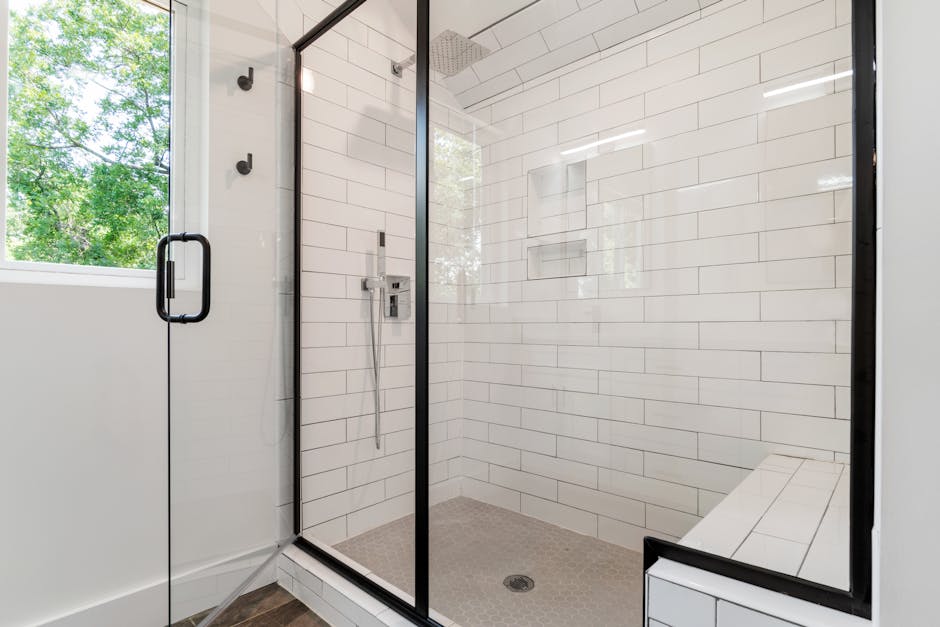
Regular shower head cleaning is not only essential for maintaining a gleaming bathroom, but it also plays a crucial role in safeguarding the wellbeing of you and your household. Neglected shower heads can become breeding grounds for bacteria, encouraging the growth of pathogens that can potentially harm your health. Further, sputtering and reduced water flow – all too common symptoms of a dirty shower head – can seriously hinder your shower’s performance, leading to dissatisfaction with your daily shower experience.
Even more importantly, a regularly cleaned shower head can significantly enhance its longevity. Shower heads are not designed to function effectively while clogged with limescale and soap scum, as these hindrances can cause strain on the appliance leading to faster wear and tear. A regularly cleaned shower head, therefore, would not only perform better but also enjoy a longer lifespan.
Now, let us look at some methods to effectively clean your shower head.
Our first method involves using vinegar, a natural, inexpensive, and effective cleaning agent well known for its descaling prowess. However, there are several precautions to keep in mind when using vinegar. Because of its acidic nature, vinegar could potentially harm certain materials, particularly stone surfaces, rubber parts, and gold finishes. Hence, it’s wise to perform a spot test before applying vinegar to these types of materials, as well as rinse thoroughly after cleaning. It’s handy to remember a gallon of water for every cup of vinegar for an effective dilution.
Moving on, commercial cleaning products provide yet another option for cleaning your shower head. Available in a wide variety of types, each with their own specifications and benefits, commercial cleaners often certificate efficiency and effectiveness. However, unlike vinegar, these products are often chemical heavy and hence should preferably only be used in a well-ventilated area and, safety precautions such as gloves and eye protection should be duly followed. The residue should also be thoroughly rinsed off post cleaning to avoid any potential reaction with your skin.
The third method we explore here is using baking soda, another natural cleaner like vinegar but alkaline in nature. Baking soda is great in tackling dirt and grimes but falls short with mineral deposit that showers often get from hard water. So, while baking soda can serve as an effective cleaning agent, it is advisable to follow through with vinegar (carefully avoiding any instantaneous reaction by using them separately) or a commercial product to ensure a thorough cleaning of your shower head.
Last but not least, CLR cleaners – specifically designed to combat hard water deposits such as calcium, lime, and rust (CLR) – are another effective option for cleaning your shower head. Despite being highly efficient, CLR cleaners contain certain harsh chemicals, so it’s crucial to follow safety precautions as with commercial cleaners. This includes ensuring adequate ventilation, wearing gloves, and rinsing thoroughly after cleaning.
With this, we unlock the doors to a cleaner and healthier shower experience. Happy cleaning!
Why Regular Shower Head Cleaning is Essential
Regular shower head cleaning is not just about maintaining a sparkling clean bathroom. It serves a much more significant purpose — safeguarding the health of you and your household. Shower heads that are neglected can turn into breeding grounds for bacteria. This could potentially facilitate the growth of pathogens that might adversely affect your health.
In addition to health risks, a dirty shower head also hampers your shower’s performance. A spline and reduced water flow are common symptoms that indicate your shower head requires cleaning, leading to an unsatisfactory shower experience.
Impact on Longevity
Not cleaning your shower head regularly can severely decrease its lifespan. Shower heads aren’t designed to function efficiently while clogged with limescale and soap scum. These blockages can stress the appliance, resulting in quicker wear and tear. Shower heads that are cleaned on a regular schedule not only perform better but also last longer.
Cleaning a Shower Head with Vinegar
Our first method is cleaning your shower head using vinegar. This cheap and effective natural cleaner is an excellent descaling agent. Here’s a step-by-step guide to help you do it:
- Remove the shower head gently from its mounting.
- Place it in a bowl and cover it completely with vinegar.
- Let it sit for up to eight hours.
- Rinse the shower head thoroughly and wipe it dry.
Precautions
While vinegar is a fantastic cleaner, it’s essential to remember that its acidic nature can harm certain materials. Stone surfaces, rubber parts, and gold finishes should be tested for compatibility with vinegar before applying. After cleaning, rinse thoroughly to prevent future damage.
Using Commercial Cleaning Products for Shower Head
Commercial cleaning products are another viable option for cleaning your shower head. They come in various types and are proven to be efficient and effective.
Process Overview
- Pick a commercial cleaner suitable for your shower head material.
- Follow the instructions written on the product packaging.
- Ensure the area is well-ventilated for your safety.
- Rinse thoroughly after cleaning to get rid of any residual cleaner.
Best Practices
When using commercial cleaning products, always follow the manufacturer’s instructions, wear protective gear, and ensure the space is well-ventilated. Never mix different products, as they can potentially create hazardous chemical reactions.
Delving into the Baking Soda Cleaning Method
Cleaning your shower head with baking soda is another natural option.
Exploring Process
- Make a paste by mixing three parts baking soda to one-part water.
- Apply this paste to the shower head and leave it for up to fifteen minutes.
- Rinse it off using warm water and wipe dry.
Advantages and Limitations
Baking soda effectively tackles dirt and grime but may fall short in removing mineral deposits from hard water. To fully clean the shower head, follow through with a vinegar rinse or a commercial cleaning product.
Cleaning Shower Head with CLR (Calcium Lime Rust) Cleaner
Finally, you may want to clean your shower head using a CLR cleaner, especially designed to combat hard water deposits such as calcium, lime, and rust.
CLR Cleaning Method Overview
- Dismantle your shower head.
- Soak it in the CLR solution for two minutes.
- Rinse it thoroughly to ensure no CLR remains on the shower head.
Pro Tips
Always rinse your shower head thoroughly after cleaning. All traces of CLR should be eliminated to prevent it from coming into contact with your skin during your next shower.
In conclusion, regularly cleaning your shower head not only helps in maintaining cleanliness but also ensures your shower’s longevity and your health. Whether it’s using vinegar, baking soda, commercial products, or CLR, pick a method that suits you best. But always remember to follow safety guidelines to protect yourself from any harm. Happy cleaning!
Key Takeaway:
- Regular cleaning of shower heads eliminates health risks associated with bacterial growth in neglected shower heads and increases the shower head’s functionality and longevity.
- Vinegar, though an effective cleaning agent, could harm certain materials due to its acidic nature, therefore caution should be taken to use it correctly.
- Commercial cleaning products are efficient but often contain harsh chemicals requiring proper safety measures while using them.
- Baking soda, a natural cleaner like vinegar, can efficiently remove dirt and grimes but falls short in handling mineral deposits.
- CLR (Calcium Lime Rust) cleaners are specially designed to counter hard water deposits and provide an effective cleaning option, though they also require safety precautions due to their chemical content.
Consistency in maintaining a cleaning schedule is important for the efficiency and prolonged lifespan of shower heads. The options discussed in this article all have their own advantages, however, they should be used with caution to avoid damaging materials or causing health risks. Remember that we have control over maintaining our spaces, and cleanliness in our homes is essential for a healthy life.
FAQs
Q: Can I clean my shower head without taking it off?
A: Yes, you can. You can attach a bag filled with vinegar or CLR solution to the shower head and leave it there for a few hours. However, taking the shower head off often results in a more thorough clean.
Q: How often should I clean my shower head?
A: Ideally, shower heads should be cleaned every one to two months. However, you might need to increase the frequency if your water supply is particularly hard or if you notice a decrease in water flow.
Q: Is vinegar safe for all types of shower heads?
A: Vinegar can potentially harm certain materials like stone surfaces, rubber parts, and gold finishes due to its acidic nature. So, always perform a spot test before using vinegar on such materials.
Q: Is it possible to clean your shower head with items commonly found at home?
A: Yes, absolutely. Vinegar and baking soda are common household items that can be used to effectively clean your shower head.
Q: Can I use vinegar and baking soda together for cleaning?
A: These two should not be used together instantaneously as they’ll neutralize each other. Instead, use them separately for cleaning for the best result.
Do not hesitate to share this article with friends and explore more posts on our website for further tips on maintaining a clean and healthy home.