
Every homeowner relishes the charm and aesthetic appeal of their wooden furniture and surfaces. However, hosting a party or enjoying a solitary nightcap can sometimes lead to the unavoidable—unfortunate alcohol spills leaving behind unsightly stains. These marks are notoriously tough to remove due to alcohol’s solvent properties, which can dissolve wooden finishes and penetrate the surface, making stain removal daunting and tricky. This article offers a thorough exploration of various methods to effectively handle alcohol stains, preventative measures to avoid future accidents, and considerations for the long-term effects of alcohol stains on different wood types.
Why Alcoholic Stains are Hard to Remove
Alcohol, with its high evaporation rate, tends to seep deep into the wood grain before fully evaporating. That’s when it leaves a mark—slightly discolored, damp-looking, and sometimes raises the wood grain. This mark is notoriously stubborn and plain wood cleaning often doesn’t suffice.
Drinks with high-alcohol content such as spirits and liquors can cause more pronounced damage because they contain more solvent properties. To paint a clear picture, an errant spill of red wine might be easier to manage than a whisky spill of the same quantity. The darker the spirit, the tougher it gets to eradicate the stain.
Different Methods of Removing Alcohol Stains from Wood
There are several methods to bid farewell to alcohol stains from wood, from DIY home remedies to commercial cleaners—each with its pros and cons.
- DIY Remedies: Certain household items make excellent stain removers—like baking soda paired with water to create a paste, the mild abrasiveness of toothpaste, or the oiliness of mayonnaise.
- Commercial Wood Cleaners: These are readily available cleaning solutions meant for wooden surfaces. They are effective but can be a bit pricey.
- Specialized Alcohol Stain Removers: These are targeted solutions known for their effectiveness against alcohol stains specifically.
Pros and Cons Comparison:
| Method | Effectiveness | Cost | Availability |
|---|---|---|---|
| DIY Remedies | Variable | Low | High |
| Commercial Wood Cleaners | High | High | Medium |
| Specialized Alcohol Stain Removers | Highest | High | Medium |
Preventive Measures: How to Avoid Alcohol Stains on Wood
Prevention is always better than cure. Safeguard your wooden surfaces by using coasters or mats under your drinks, promptly cleaning up any spills, and using protective finishes. Regular maintenance and cleaning of your wooden surfaces can go a long way in preserving their lustre and avoiding any unsightly stains.
Identifying and Treating Different Types of Wood
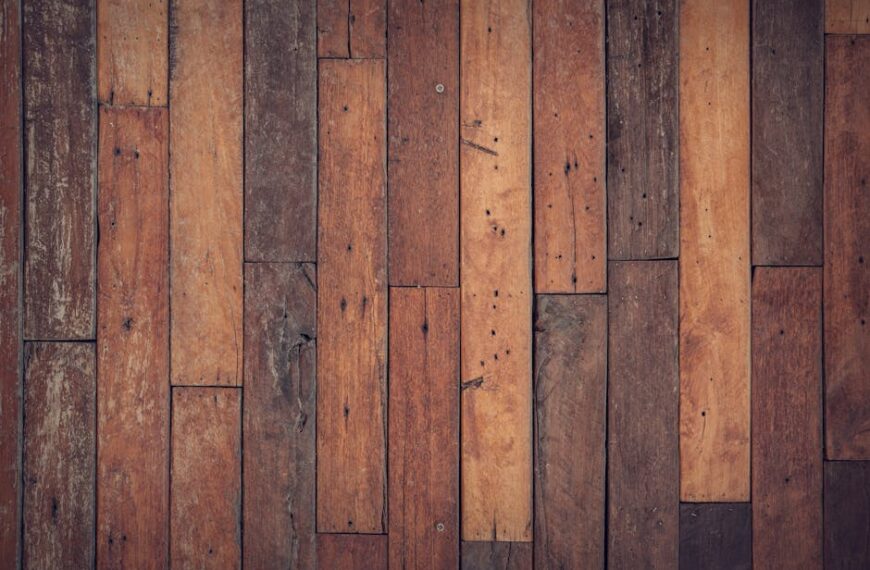
Understanding your wooden furniture and surfaces is key to treating and maintaining them properly. Certain woods are more vulnerable to alcohol stains than others. For example, the tight grain structure of hardwoods like oak or maple might resist staining better than softwoods like pine or cedar.
Hardwood
- Hardwoods like maple, oak, and cherry are resistant to alcohol stains, but they can still get stained if alcohol is left to seep in.
- Gently scrubbing using a mild detergent with warm water can help.
- For stubborn stains, a light sanding followed by the application of a matching finish can restore its original look.
Softwood
- Softwoods like pine or cedar are more absorbent, making them more susceptible to staining.
- Alcohol stains on softwoods can be treated with a mixture of vinegar and water followed by light sanding and finishing.
Pro Con Comparison:
| Type of Wood | Resistant to Staining | Cleaning Method |
|---|---|---|
| Hardwood | High | Mild detergent, Light sanding and Finish |
| Softwood | Low | Vinegar and Water, Light sanding and Finish |
The Long-term Effects of Alcohol Stains on Wood and How to deal with them
Beware, continual dirt and exposure to stains can gradually alter your wooden surface. Untreated alcohol stains have the potential to result in long-term damage. They not only mar the appearance but can also lead to a structural breakdown if the alcohol manages to penetrate deeply into the wood fibre over time.
Recovering heavily stained wood is not a lost cause. Restoration measures such as sanding down the stained wood and again applying a new finish can breathe life back into your beloved wooden surfaces. It might be worth considering professional help for severely damaged pieces.
Finally, treating your wooden surfaces with respect and consistent care can help them stand the test of time. Remember, the earlier you act on a spill, the easier it will be to remove the stain. So don’t let an unfortunate spill ruin your wooden charm, equip yourself with the right knowledge and tools to tackle it head-on!
Key Takeaway:
- Alcohol stains on wood are stubborn due to alcohol’s solvent properties that dissolve finishes and penetrate the surface; more significant damage occurs with high-alcohol-content drinks.
- Several ways to rid wood of alcohol stains include DIY remedies, commercial wood cleaners, and specialized alcohol stain removers.
- Preventive measures include coasters or mats, prompt cleaning of spills, protective wood finishes, and regular maintenance.
- Understanding the type of wood and its vulnerability to stains will help determine the best cleaning approach.
- Untreated alcohol stains may lead to long-term wood damage, but restoration options like sanding and refinishing can revive the wood’s aesthetic and strength.
Alcohol spills on wood might be daunting but remember they’re not impossible to manage. Being equipped with proper knowledge about your wooden items and effective cleaning methods is crucial. Don’t fret over a spill! Quick action, consistent care, and appropriate preventive measure can help endear your wood pieces for years to come.
FAQs
Q: Can I regularly use household items like toothpaste and baking soda to clean my wooden surfaces?
A: It’s important to understand that while these items can help remove stains, they are not specifically designed for wood and might be abrasive. Hence, occasional usage for challenging stains can be considered, but don’t make it a regular cleaning method.
Q: Which commercial cleaner should I use for my wooden surfaces?
A: The choice of a cleaner will depend on your wood type, finish, and the kind of stain. Always read the product description and reviews before purchasing.
Q: Does using a coaster guarantee no alcohol stains on my wooden table?
A: Although coasters add a protective layer between the glass and the wood surface, spills might still occur. However, they significantly reduce the chance of alcohol directly staining the wood.
Q: I have an old wooden chest with alcohol stains. Is it too late to clean it?
A: It’s never too late! Start by applying the cleaning methods mentioned above. For severe stains, professional restoration services can help bring back its former beauty.
Q: Is it necessary to refinish my wood after cleaning a significant alcohol stain?
A: Not always, but if you stripped a portion of the wood’s finish during spot cleaning, you might have to refinish it to restore the uniform look and protect the wood.
Be sure to share this article with fellow wood-care enthusiasts and explore more posts on our website for other great insights!