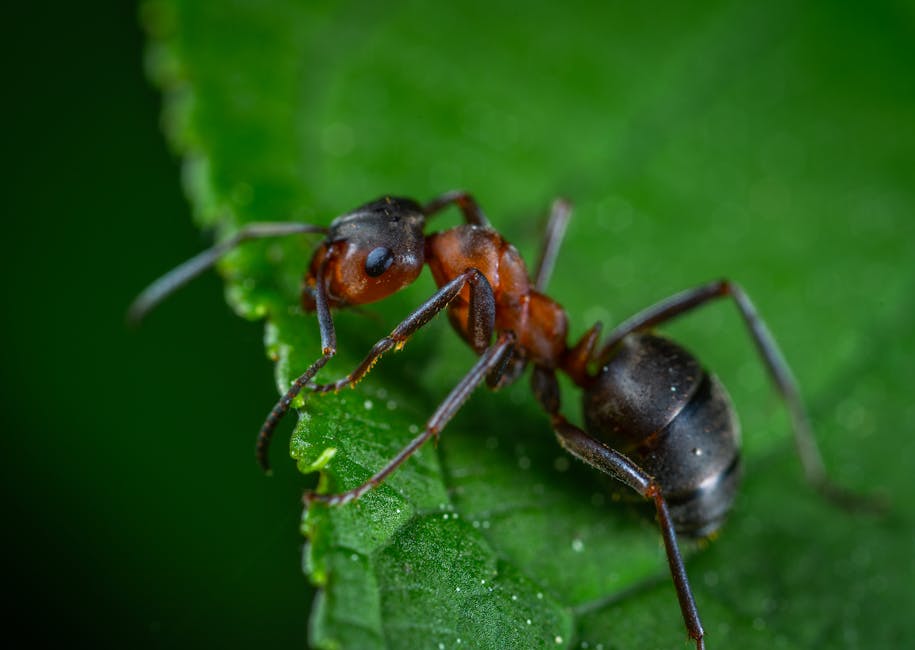
Ants scurrying around in your kitchen cupboards can be more than just a nuisance; they invade your food, damage your cupboards, and sometimes, carry diseases. The first step in successfully eliminating these pesky insects involves identifying the specific type you are dealing with. Understanding their behavior and dietary preferences paves the way for effective eradication.
Identification: Understand Your Ant
Ants may look identical at first glance, but identifying their exact type is paramount in choosing the right extermination methods. Whether you are dealing with Carpenter ants, known for their propensity to munch through wooden cupboards, or Sugar ants, attracted to anything sweet, your identification plays a key role in winning the battle against them.
Here are a few common ant types often found in kitchen cupboards:
- Carpenter ants: You will often find them tunneling through damp wood.
- Fire ants: Love protein-based food and have a painful sting.
- Sugar ants: They are drawn to anything sweet.
Once you’ve identified the culprits, the next step is understanding their behavior. Observation can reveal patterns like their preferred food sources in your cupboard and the routes they use to access it. Combining this knowledge with effective prevention strategies can give you the upper hand in this unwelcome occupation of your kitchen.
Preventive Measures: Keep the Ants Out of Your Kitchen
Ant prevention mainly hinges on cleanliness and regular maintenance. A dirty kitchen is an open invitation to ants, providing them with easy access to food and water. Limiting these attractants can greatly reduce the chances of an infestation.
Here are a few actionable tips:
- Seal off entry points: Ants are tiny invaders that can slip through the smallest of gaps. Sealing off any potential entrances is an essential step in keeping them out.
- Keep surfaces clean: Wipe down your kitchen counters and stove after every use to eliminate crumbs and spills that could attract ants.
- Store food properly: Keep all food items, particularly sweet ones, sealed tight. Ants can sneak into poorly sealed containers and wreak havoc.
To prevent forgetting any of these vital tasks, create a maintenance checklist and adhere to it religiously. Remember, a clean kitchen is your first line of defense against these tiny warriors.
In the upcoming sections, we’ll look at battling the invasion with natural remedies, deciding when to seek professional help, and finally, restoring your kitchen to normal post-invasion. Stay tuned!
Natural Remedies: Battle the Infestation Naturally
Ants may be small, but they are mighty, especially in numbers, making them difficult to eradicate. However, you don’t necessarily need to resort to harmful chemicals to fight back. Natural remedies can provide powerful, safe, and environmentally-friendly solutions for getting rid of ants in your kitchen cupboards.
Here are a few popular natural remedies worth trying:
- Vinegar: Mix equal parts vinegar and water in a spray bottle and spray it in the areas where you usually spot ants. They hate the smell of vinegar, which also disrupts their scent trails.
- Cinnamon: Ants are repelled by cinnamon. Sprinkle cinnamon powder or place cinnamon sticks at the entry points.
- Essential oils: Like cinnamon, many essential oils like peppermint and tea tree oil deter ants. Prepare a spray with a few drops of essential oil mixed with water and spray wherever ants are present.
While there are positives in using natural remedies, they also have some drawbacks. Using vinegar, for instance, might leave a strong smell while cinnamon powder can be a bit messy. Here’s a simple comparison table to help you weigh the pros and cons:
| Method | Pros | Cons |
|---|---|---|
| Vinegar | Easy to prepare and use, Effective in disrupting ant trails. | Has a strong smell, Requires regular application. |
| Cinnamon | Effective, Long-lasting. | Can be messy, Some ants might still cross the cinnamon barrier. |
| Essential Oils | Smells good, Effective on most ants. | Can be costlier than other solutions, Requires regular application. |
Pest Control: When to Seek Professional Help
When home remedies aren’t enough to rid your kitchen of ants, it might be time to call in the professionals. Pest control services can provide fast and effective solutions to even the most severe infestations.
Weighing the pros and cons of professional help can be beneficial too. While hiring professionals might be costlier, it could save you the hassle and time spent battling with resilient ant colonies.
Need help choosing a reliable pest control agency? Here are some tips:
- Ensure they have valid licenses and certifications
- Check reviews and ratings online
- Ask for a clear work plan and estimate before starting the service
Post-Invasion Cleaning: Restoring Your Kitchen to Normal
In the aftermath of an ant invasion, a thorough clean-up is necessary to ensure that no ant residue is left behind. Sanitation is also crucial to prevent recurrent infestations.
Here’s a checklist to ensure that every inch of your kitchen cupboards is immaculately clean:
- Remove all food items and utensils from the cupboards
- Sweep or vacuum to get rid of any dead ants, food crumbs etc.
- Wash the interior with a regular detergent and warm water.
- Rinally, disinfect the cupboards using an antibacterial cleaner and let it dry completely
In conclusion, dealing with ants in your kitchen cupboards can be a tough battle, but with these comprehensive tips, you’re more prepared than ever to reclaim your kitchen!
Key Takeaway:
- Identifying the type of ant infestation you’re dealing with is crucial for effective extermination.
- Cleanliness and regular maintenance are fundamental for preventing ant invasions.
- Natural remedies like vinegar, cinnamon, and essential oils can be powerful, non-toxic solutions.
- When home remedies fall short, seeking professional help from pest control services is advisable.
- Post-invasion cleaning is vital for restoring your kitchen to a sanitary condition and preventing re-infestation.
As stressful as an ant invasion may be, remember, these unwelcome guests don’t have to take permanent residence in your kitchen. With the proper identification, preventive measures, effective remedies, professional help, and thorough cleaning up, you can bid farewell to your ant problem. Stay diligent and maintain your kitchen’s hygiene, and you’ll stand a strong chance against these tiny invaders.
FAQs
Q: How frequently should I clean my kitchen to prevent ant infestation?
A: Daily cleanups, especially after meals, will greatly reduce the chances of attracting ants. Remember to remove any food residue or spills.
Q: Can the same natural remedies be used for all types of ant infestations?
A: While most natural remedies are effective against multiple types of ants, some ants may exhibit certain resistance. If one remedy doesn’t work, don’t hesitate to try another.
Q: If professional service is needed, how can I ensure the pesticides used are safe for my family and pets?
A: When hiring a pest control service, ensure to discuss the safety measures and the types of pesticides they use. Most professionals use solutions that are safe for humans and pets when applied correctly.
Q: How often should I hire a professional pest control service?
A: The frequency of professional pest control service can depend on the severity of the infestation. For preventive measures, annual or semi-annual servicing is usually recommended.
Q: If ants return after a cleanup, what could be the possible reasons?
A: If ants return after a cleanup, it may indicate that some attractants remain, or there could be hidden nests within the structure of the building. In such cases, seeking professional help may be necessary.
We hope this guide brings you one step closer to an ant-free kitchen! Share this valuable information with others, and explore more useful articles on our website.