
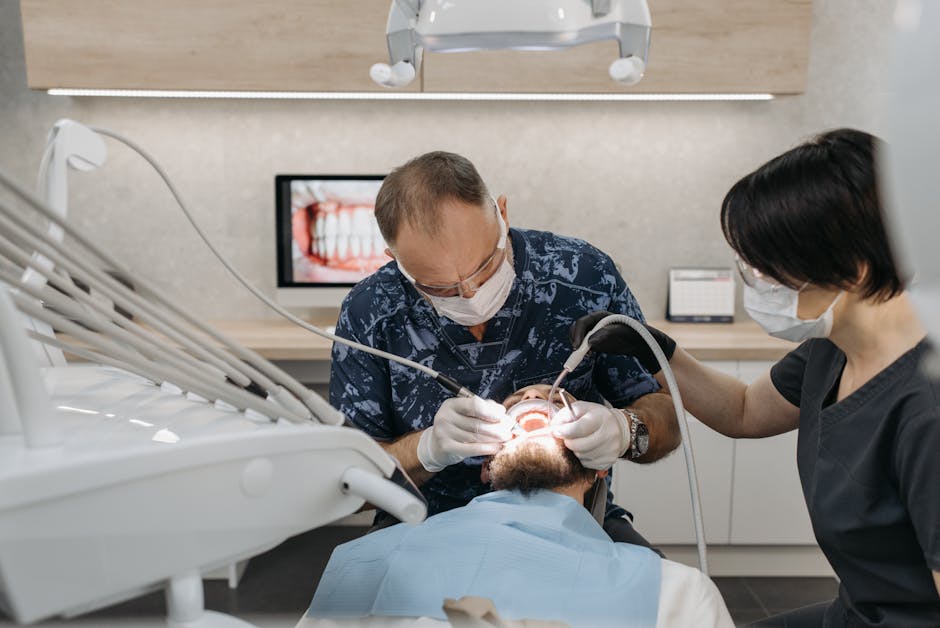
Mouth sores, known scientifically as aphthous ulcers, are common, usually harmless, but can be extremely bothersome. One can quicken their healing and reduce their occurrence significantly by incorporating a few simple changes into their lifestyle and regular routines.
Understanding Mouth Sores and Their Causes
Mouth sores are small lesions, typically white or yellow in color, surrounded by a ring of inflamed, red tissue. When these sores appear in your mouth – be it the inside of your cheeks, gums, or tongue – the resulting discomfort can often disrupt eating, drinking, and even talking.
Mouth sores can be brought on by a wide variety of factors. Physical trauma in the mouth like biting the cheek, brushing too hard, or experiencing dental procedures can lead to a bout of mouth sores. Allergies and dietary deficiencies, particularly a lack of vitamin B-12, iron, and folic acid, are other common causes. Diseases and conditions such as Celiac disease, inflammatory bowel diseases, autoimmune diseases, and HIV/AIDS may also lead to mouth sores.
Quick Tips: Pay attention to when your mouth sores tend to appear – is it after you eat certain foods or use certain oral care products? Noticing such patterns can help identify likely causes and address them directly.
Home Remedies for Mouth Sores
Home remedies can be an effective, accessible, and affordable method of treating mouth sores. Honey, for instance, known for its antimicrobial and anti-inflammatory properties, can be applied directly to a mouth sore a few times daily. Coconut oil, another renowned antimicrobial ingredient, can hasten healing when swished around the mouth once or twice daily. Rinsing with warm salt water can also help clean and soothe a sore.
Best Practices: Ensure your hands are clean before applying a remedy directly to a mouth sore. Use pure, organic honey and coconut oil whenever possible. Rinse your mouth with warm, not hot, salt water to avoid causing extra irritation.
Over-the-Counter Solutions for Mouth Sores
Pharmacy shelves offer a multitude of over-the-counter solutions for mouth sores. These products typically function by creating a protective barrier over the sore to prevent further irritation, thereby aiding in faster healing. Over-the-counter solutions range from medicated gels and patches to mouth rinses and sprays.
The primary advantage of these products is the speed with which they can offer relief. However, it’s important to remember that they may cause side effects like a burning sensation upon application, and some individuals may be allergic to certain ingredients.
✅ Comparison: Consider the pros and cons of different OTC solutions for mouth sores. Medications with benzocaine provide quick numbing relief but can lead to allergic reactions in some individuals. Products with hydrogen peroxide have powerful antimicrobial properties but can cause dryness and stinging. Mouth rinses can soothe and cover a large area but may be difficult for some individuals to use.
Over-the-Counter Solutions for Mouth Sores
In addition to home remedies, there are various over-the-counter solutions available to speed up the healing process. These might include gels, creams, ointments or even mouth rinses, all meant to protect the surface of the sore, reduce irritation, and relieve pain. However, as every product is different, it’s crucial to understand how they work and be aware of potential side effects.
Pro tip: Always follow the directions on the product package and discontinue use if you notice any adverse effects. Some products might require application post meals for optimal effect.
Diet and Lifestyle Changes to Prevent Mouth Sores
Mouth sores may also be associated with certain diets and lifestyle habits. Consuming hot, spicy or acidic foods can lead to damage and inflammation of your mouth’s mucous membrane, increasing the likelihood of sores. Moreover, deficiencies in nutrients such as iron, folic acid, or Vitamin B-12 can also be responsible.
Lead a stress-free life as much as you can, as stress is a common trigger for mouth sores. Maintaining good oral hygiene by brushing and flossing regularly and avoiding harsh mouthwashes or oral products will also contribute to a healthier mouth and prevent the formation of sores.
✅ Pro Tip: Reduce intake of spicy, hot, and acidic foods. Resort to stress management techniques like meditation, yoga, or simple deep breathing exercises. Maintain a balanced diet, rich in essential nutrients.
When To Seek Medical Help for Mouth Sores
While most mouth sores clear up on their own within a week or two, sometimes, professional medical help may be necessary. If your mouth sores persist for more than two weeks, appear alongside fever, are excessively painful, or are followed by difficulty swallowing, it’s time to seek medical attention.
Checklist:
- Persisting mouth sores for more than 2 weeks
- Mouth sores accompanied by fever
- Extreme pain and discomfort
- Trouble swallowing or speaking.
At the doctor’s office, expect a full oral examination and possibly a blood test to diagnose the cause. Your healthcare professional might prescribe ointments, creams, mouth rinses, or even oral medications depending on your specific condition.
The key to managing mouth sores is to understand their cause, choose appropriate home or OTC remedies, make necessary dietary and lifestyle adjustments, and know when to seek professional help. Keep your mouth healthy and smiling by keeping mouth sores at bay.
Key Takeaway:
- Mouth sores can be caused by a variety of factors, such as minor oral injuries, certain types of foods, vitamin deficiencies, hormonal changes, allergies, and stress.
- Home remedies like honey, coconut oil, and salt water rinses can provide quick relief from mouth sores.
- Over-the-counter solutions can assist in speeding up the healing process of mouth sores if the home remedies fail.
- Dietary and lifestyle changes can have a significant impact on the prevention of mouth sores.
- Medical intervention is necessary when mouth sores persist for more than two weeks, are accompanied by fever, cause extreme pain and discomfort, or trouble swallowing or speaking.
The discomfort from mouth sores can be overwhelming. However, understanding potential causes and following these strategies can help you manage symptoms and expedite recovery. Remember to seek advice from healthcare professionals if your symptoms persist or worsen.
FAQs
Q: Can repeatedly biting an area in my mouth cause a mouth sore?
A: Yes, repetitive trauma or injury to a particular area in your mouth, like persistent biting, can potentially lead to the formation of a mouth sore.
Q: Can smoking or alcohol consumption trigger mouth sores?
A: Yes, smoking and excessive alcohol consumption can irritate your mouth’s lining, potentially leading to mouth sores.
Q: Can braces or dentures cause mouth sores?
A: Yes, braces, dentures, or any other type of dental appliance can cause minor injuries to the mouth’s tissues, potentially leading to mouth sores.
Q: Can mouth sores be contagious?
A: It depends on the type of mouth sore. For instance, cold sores caused by the herpes simplex virus are contagious, but canker sores are not.
Q: Is it safe to use home remedies for mouth sores during pregnancy?
A: While most home remedies are safe, it is always advisable to consult a healthcare professional before starting any treatment during pregnancy.
If you found this article helpful, kindly share it with friends and loved ones. To explore more on similar topics, visit our website for more insights.