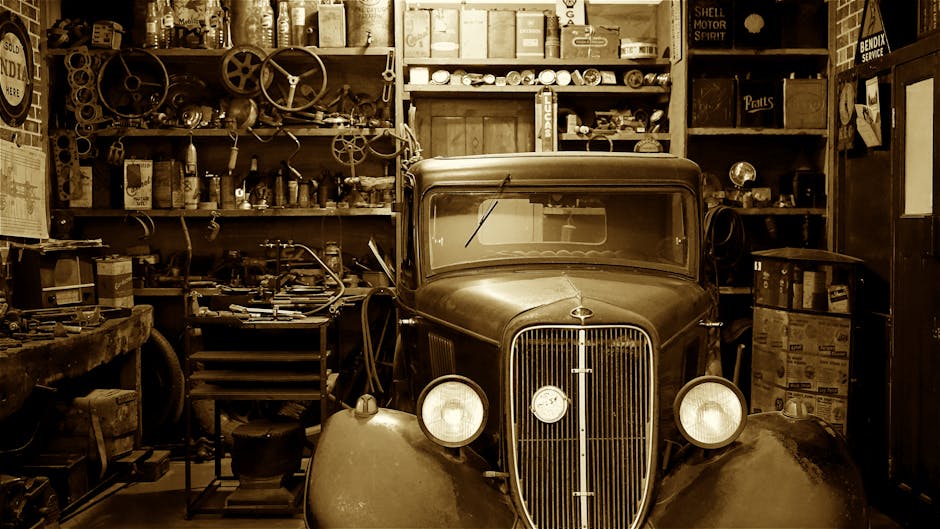
Cleaning headlights is no rocket science. In fact, you don’t need fancy chemicals to get the job done. Ever thought of using toothpaste? Yes, that humble tube in your bathroom cabinet can aid in bringing back the sparkle to your dimmed headlights. This article explores five hands-on methods you can employ to clean your headlights using common household resources like toothpaste and water, toothpaste and vinegar, toothpaste and baking soda, toothpaste and salt, and even toothpaste mixed with dish soap. We’ll walk you through the procedures while offering tips to ensure the most effective outcomes.
Toothpaste and Water Technique
Headlights can get dimmer due to accumulation of dirt and debris. An easy go-to method of rejuvenating your headlights is using toothpaste and water. Starting with this method, you’ll need non-gel toothpaste, water, a sponge and a microfiber cloth.
Get a blob of toothpaste onto a damp sponge. Rub it on the headlights in a circular motion, paying attention to the dirtier spots. Leave it on for about five minutes and then rinse off the paste with water. Using the microfiber cloth, wipe your headlights dry. The abrasive properties of toothpaste allow it to gently scour off the dirt, leaving your headlights bright and shiny.
Combining Toothpaste and Vinegar
Vinegar’s acidic properties can catalyze toothpaste’s cleaning prowess. Start by mixing two parts of toothpaste to one part of vinegar. The toothpaste-vinegar mixture is applied on the headlights and left for about ten minutes before its rinsed off. It’s critical to rinse the headlights thoroughly to prevent the vinegar from acting adversely on your headlights surface.
Benefits of this improved approach include vinegar’s ability to cut through stubborn grime and improve the overall cleaning effectiveness. But remember, moderation is key. Too much vinegar could potentially damage the headlights’ surface.
For both methods, your checklist should have toothpaste, water, vinegar, a sponge, and a microfiber cloth. To the while, these methods promise an easily accessible, cheap, and effective solution to dull headlights.
Using Toothpaste and Baking Soda
With just toothpaste, baking soda, a sponge, and a microfiber cloth, you can remove even stubborn grime from your headlights. When combined, toothpaste and baking soda create an excellent homemade cleaning solution due to the mild abrasive nature of both ingredients.
Start by mixing a part of non-gel toothpaste with a part of baking soda. Apply the paste on the headlights using a damp sponge, let it sit for five minutes, and then rinse it off. The baking soda will act as a gentle scrub, enabling the toothpaste to cleanse more effectively.
Toothpaste and Salt Solution
The combination of toothpaste and salt can also be a strong cleaning blend for your dimmed headlights. It is perfect for tackling stubborn dirt that clings onto the headlights.
The process is simple. Mix two parts of toothpaste with one part of salt. Rub the mixture onto your headlights with the sponge, leave for about ten minutes, then rinse off and wipe dry with the microfiber cloth.
While the potent scrubbing strength of salt boosts the cleaning power of the toothpaste, be cautious with the frequency of using this method. Too much use can lead to excessive abrasion.
Applying Toothpaste and Dish Soap
The idea of pairing toothpaste and dish soap for cleaning headlights stems from dish soap’s ability to break down grease and oil, which is often common on headlights. When mixed with the gentle scrubbing power of toothpaste, they form a powerful cleaning duo!
To do this, combine equal parts of toothpaste and dish soap. Use a sponge to apply the mixture evenly across the headlights, leave for five minutes, then rinse off thoroughly and wipe dry with the microfiber cloth.
Conclusion
While each method has its pros and cons, they all ultimately aim to quickly and cost-effectively freshen up your car’s headlights using household ingredients. As with any cleaning method, it’s vital to know when moderation is necessary. Regularly cleaning your headlights can indeed improve visibility while driving. But, if overdone, it may lead to undesired adverse effects. Be sure to follow the best practices suggested to avoid any potential damage. So, the next time you spot dim headlights, remember that help may just be a toothpaste tube away!
Key Takeaway:
- Using toothpaste alone with water or combining it with household items like vinegar, baking soda, salt, or dish soap can effectively clean and brighten dimmed car headlights.
- Each method involves mixing ingredients, applying the mixture, and thoroughly rinsing and wiping off to restore the headlights’ shine.
- Care must be taken while using these methods as excessive or incorrect use can potentially cause adverse effects like wear and tear or surface damage to the headlights.
- Opt for non-gel toothpaste for better cleaning results and a mild dish soap to avoid potential damage to the car’s paint or headlights.
It’s fascinating just how versatile ordinary household supplies can be — have your headlights shine bright and clear again with a little bit of toothpaste and a few more items you probably already have in your home. Just remember to follow each process correctly and mind the considerations for each method. Regular but moderate cleaning can give your car’s headlights that fresh-out-the-showroom appeal while ensuring important safety on the roads.
FAQs
Q: Can I use gel toothpaste instead of the non-gel type?
A: It’s recommended to use non-gel toothpaste for cleaning headlights as it tends to be more abrasive and thus more effective in cleansing dirt and grime off the lights.
Q: What possible damages can vinegar cause to the headlights?
A: While vinegar improves the cleaning effectiveness, if not rinsed off thoroughly, it may potentially damage the surface of your headlights due to its acidic properties.
Q: How often should I use the toothpaste and baking soda method to clean my headlights?
A: Use this combination sparingly as excessive use can wear down the polycarbonate lens on the headlights over time due to the abrasive nature of baking soda.
Q: Are there any potential drawbacks to using the toothpaste and salt method?
A: Yes, while the toothpaste and salt method provides effective cleaning, it can potentially cause excessive abrasion if used repeatedly.
Q: Can I use any type of dish soap with toothpaste to clean my headlights?
A: It’s better to use a gentle dish soap combined with toothpaste to avoid potential damage to the car’s paint or the headlights themselves. Always make sure to rinse off the mix thoroughly after application.
Do not hesitate to explore other educational and engaging posts on our website and share this helpful guide to clean headlights with toothpaste. There’s always something new to learn and share!