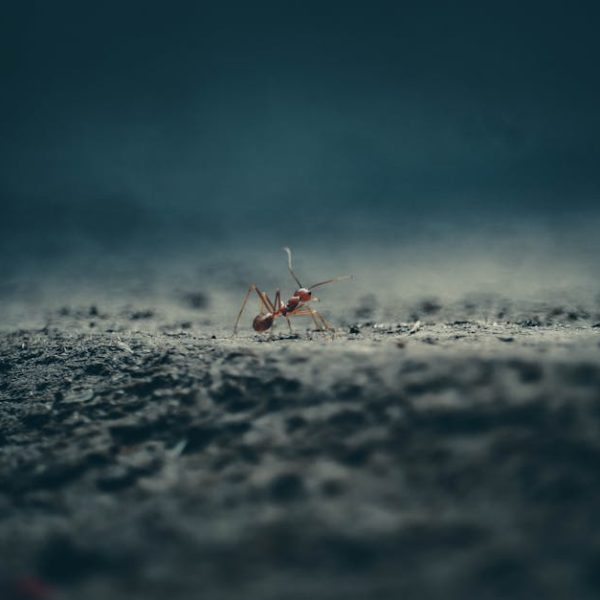

Bed bugs pose a significant threat to our homes, carrying diseases and disrupting our much-needed rest time. They are difficult to detect and even harder to remove which is why managing bed bugs with efficiency and consideration for the environment has become ever more important. These pests are renowned for their resilience, navigating seamlessly through bed frames, mattresses, and clothing without detection. Recognizing the signs of a bed bug infestation can significantly reduce their spread. Common indicators include tiny blood spots on your sheets, dead bugs, eggs or skin sheddings, as well as small bite marks on your skin. Pro tip: the optimum time for identifying bed bugs is in the early morning, as they are primarily nocturnal creatures.
Appreciating the benefits of natural remedies can play a pivotal role in effective bed bug management. Conventional bug sprays often contain harsh chemicals that can be harmful to humans and pets. In contrast, natural remedies provide a more environmentally-friendly and safer alternative, utilizing easily found household products. For example, compare the use of Diatomaceous Earth, a natural remedy, and a common bug spray. Diatomaceous Earth is a non-toxic powder that can kill bed bugs by piercing their exoskeleton, dehydrating, and eventually killing them. On the other hand, while common bug sprays can kill on contact, they often contain harmful chemicals, are less effective over time as bugs develop resistance, and may pose health risks if misused. When using natural remedies, remember this best practice: always apply in moderation to prevent wastage and unnecessary exposure.
There are several natural remedies that can be used for bed bug management. Notable examples include diatomaceous earth, tea tree oil, and lavender oil. Diatomaceous earth, as mentioned earlier, works by dehydrating the bugs. Tea tree oil, a powerful insecticidal, kills bed bugs on contact while providing a calming scent. Lavender oil also serves a dual purpose. Bed bugs detest the scent of lavender, and it thus works as a repellent, and if used in high concentrations can also kill the bed bugs directly. To use these remedies effectively, follow this checklist: First, identify infestation hotspots. Second, prepare your natural remedy according to instructions. Third, apply the remedy directly to the affected areas, being cautious around sensitive materials. Finally, repeat the application until the bed bugs are completely eradicated. Pro tip: Always store these remedies out of reach of children and pets, and dispose of any leftover materials responsibly.
Preventative measures play a significant role in bed bug management. These include regular cleaning of your living spaces, sealing cracks and crevices to eliminate hiding spots, and keeping furniture away from walls to reduce possible infestation paths. These simple changes can significantly reduce the risk of future infestations. A preventive schedule could include a weekly deep cleaning, monthly sealing inspections, and ongoing assessments of furniture positioning.
Shifting towards greener pest control strategies is a beneficial move in the long run. Not only are you taking measures to protect your home, but you’re also contributing to global efforts to minimize chemical pollution. The benefits include minimized exposure to harmful chemicals, reduced pest resistance since these methods often involve physical mechanisms instead of chemicals, and a healthier living environment. However, they might be less effective against larger infestations and may require more dedication to maintain. Pro tip: Always approach bed bug prevention as part of your overall strategy for sustainable living. Practicing green bed bug control not only improves your living conditions but the planet as well.
The Underlying Threat of Bed Bugs
Bed bugs, these tiny night-time invaders, not only disrupt your peaceful sleep but also pose significant health risks. These pests are known carriers of disease-causing microbes, making their management an absolute necessity. Additionally, their resilience and adaptability make them a hard foe to combat. Sneaky hideouts like mattress linings, clothing, and furniture make it challenging to spot and control their spread.
So, how do you know you have a bed bug issue? Here are some tell-tale signs:
- Tiny red or brown spots on your bed linen or mattresses – hinting towards crushed bed bugs or their fecal matter.
- Shed skins or eggshells around corners of the beds, furniture, or wall crevices.
- Unusual itchy, red skin reactions that don’t resemble any other insect bite reactions.
Pro tip: As sneaky as bed bugs are, there are specific conditions when spotting them becomes slightly easier. Bed bugs are primarily nocturnal. Hence, try spotting them under dim light conditions, preferably early in the morning.
Understanding the Benefits of Natural Remedies
Switching to natural remedies for bed bug control comes with multiple benefits. Most conventional bug control methods are replete with harsh chemicals. While they kill bugs, they can also harm us, our children, or pets inadvertently.
Here’s a comparative insight into natural vs. chemical treatments:
“`html
| Natural Remedies | Chemical Treatments | |
|---|---|---|
| Safety | Safe for humans and pets | Potential risks for health |
| Environmental Impact | Eco-friendly | Can contribute to pollution |
| Resistance | Less likely to cause resistance | Bugs can develop resistance over time |
“`
Best Practices: ✅ When applying natural remedies, remember that timing and moderation is key. Too much can lead to unnecessary wastage and potential mess; too little might not accomplish the job.
Top Natural Home Remedies for Bed Bugs
Now, let’s dive into some popular natural home remedies that are effective against bed bugs.
- Diatomaceous Earth: This non-toxic powder punctures the bed bug’s exoskeleton, dehydrating and killing them over time.
- Tea Tree Oil: As a potent insecticide, it eliminates bed bugs while leaving a calming scent.
- Lavender Oil: Hated by bed bugs for its smell, lavender oil not only repels them but also kills them when used in a high concentration.
Checklist:
- Identify infestation spots
- Prepare your chosen natural remedy following the instructions
- Apply remedy cautiously, especially around sensitive materials
- Repeat applications until bed bugs are eradicated
Pro tip: Store your remedies out of children’s and pets’ reach. Dispose of any leftover materials responsibly.
Preventive Measures to Keep Bed Bugs at Bay
There’s a saying –Prevention is better than cure, it holds in this case too.
Regular cleaning, sealing off cracks, keeping furniture away from walls, all act as effective preventive measures.
Let’s outline a schedule:
- Perform a deep cleaning of your living space weekly
- Conduct monthly checks for potential cracks and seal them off
- Assess the positioning of your furniture regularly to reduce their contact with walls
Best Practices: ✅ Addressing early signs of infestation can help nip the problem in the bud.
Making the Shift Towards Greener Pest Control Strategies
The transition to natural, eco-friendly pest control methods is not only necessary but beneficial. By reducing chemical pollution and minimizing exposure, you contribute to healthier living conditions for everyone.
“`html
| Advantages | Drawbacks | |
|---|---|---|
| Green Pest Control Methods | Eco-friendly, fewer health risks, reduced pest resistance | Potentially less effective against large infestations, requires ongoing maintenance |
“`
Pro tip: Incorporating bed bug prevention into your overall sustainable living strategy can significantly improve your home’s living conditions and positively impact the planet.
Key Takeaway:
- Bed bugs pose serious health and comfort risks, making it imperative to detect and manage them effectively.
- Natural remedies are a safe, eco-friendly alternative to conventional chemical treatments, effectively targeting bed bugs without health or environmental hazards.
- Popular natural remedies include Diatomaceous Earth, Tea Tree Oil, and Lavender Oil, each offering a specific mode of action against bed bugs.
- Implementing preventative measures such as regular cleaning, sealing cracks, and repositioning furniture can reduce potential bed bug infestations.
- The shift towards greener pest control strategies integrates well with broader sustainable living practices, offering long-term benefits for our health and environment.
Don’t let worries about bed bugs keep you awake at night. Natural remedies are at your disposal, offering a safe and effective solution to these bothersome pests. Remember, a little vigilance and proactive prevention go a long way towards maintaining a comfortable, bed bug-free home.
FAQs
Q: Can these natural remedies be used for other types of pests, or are they strictly for bed bugs?
A: While our article primarily focuses on bed bugs, many of these natural remedies can also effectively manage other household pests. However, it’s essential to research each pest’s specific vulnerabilities.
Q: Are there any health risks associated with the use of natural remedies for pest control?
A: Natural remedies are typically safer than chemical treatments, but individual sensitivities can vary. For instance, some might have allergic reactions to essential oils like tea tree or lavender oil. Always ensure to use these remedies with care.
Q: How long does it take for natural remedies to work on bed bugs?
A: The timeline can vary depending on the severity of the infestation and the type of natural remedy used. While some remedies may show results within a few hours or days, others might take longer.
Q: Can I mix different natural remedies? For instance, use Diatomaceous Earth and Lavender Oil together?
A: It’s possible to use multiple remedies; however, it’s crucial to understand the purpose and effects of each remedy to avoid any harmful reaction or inefficacy.
Q: What if natural remedies don’t work? Should I switch to chemical treatments?
A: If natural remedies aren’t sufficiently managing the infestation, consider consulting a professional pest control service to explore other safe and effective options.
We hope this article has enriched your knowledge and given you essential tools to tackle bed bugs naturally. Feel free to share this with friends and family. Browse through other posts on our website for more insights and solutions to everyday challenges.