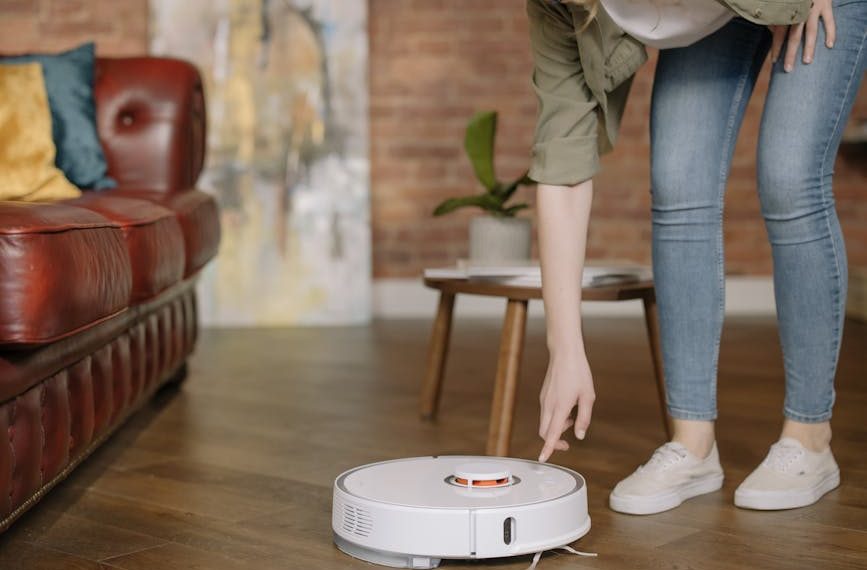
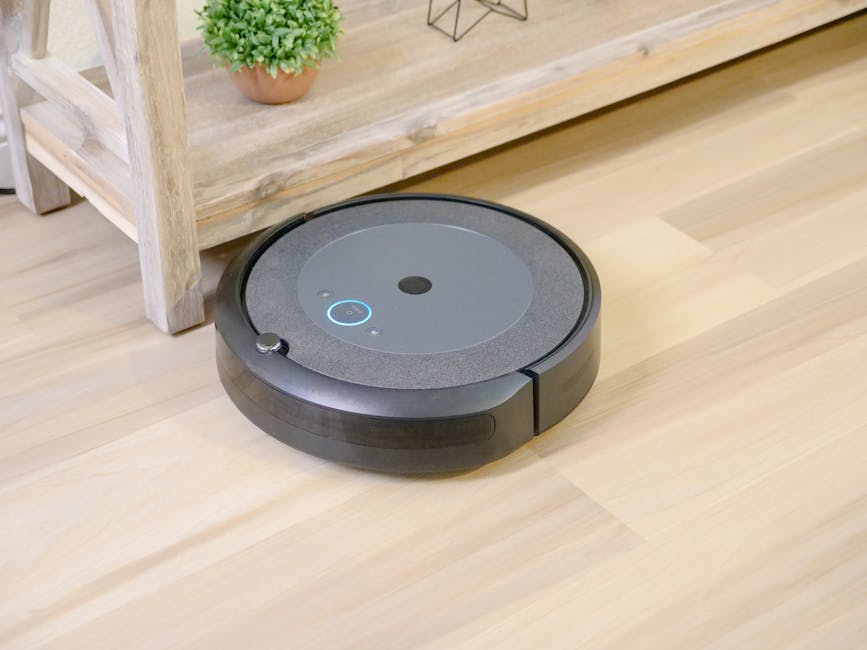
Your Roomba’s tires work tirelessly, pun intended, to keep your floors spick and span. However, this unsung hero of household cleanliness often accumulates dust, debris, and hair in its crevices, which can hamper its function and affect its lifespan if not attended to regularly. Maintaining the cleanliness of Roomba wheels is a crucial yet straightforward task that can ensure their effectiveness and longevity. This article guides you through a simple, step-by-step process of cleaning Roomba wheels, including helpful tips and visual aids to assist you.
Understanding the Importance of Cleaning Roomba Wheels
Just as a car requires regular tire checks and replacements, your Roomba wheels need constant care to stay in top shape and maintain optimal performance. Regular cleaning prevents the accumulation of dirt and hair, which can cause unwanted friction and strain the device’s motor. Additionally, debris trapped in the wheels can scratch your hard floors.
The frequency of cleaning depends on the usage. For instance, if you have pets or high foot traffic at home, you may need to do it more often—perhaps once a week. Neglecting this essential maintenance task can lead to decreased cleaning efficiency and potential device damage.
Gathering Supplies for Cleaning Roomba Wheels
Before commencing the cleaning process, ensure you have the following supplies:
- A microfiber cloth or a soft brush: These will help you scrub off the embedded dirt gently without scratching the wheels.
- A mild detergent or cleaning liquid: Avoid harsh chemicals that might cause discoloration or damage the wheel material.
- Warm water: To dissolve the detergent and effectively clean the wheels.
These supplies are typically available in any household. However, if you don’t have a microfiber cloth, an old toothbrush can also be handy for brushing off residual dirt.
Dismantling Roomba Wheels
Before cleaning, the Roomba wheels need to be detached from the main device. Here is a step-by-step guide on how you can do this:
- Switch off your Roomba and make sure it’s not charging.
- Turn your Roomba upside down to access the wheels.
- Press and hold the wheel module release tab and then pull off the wheels gently.
It’s crucial to handle the device carefully during this process to avoid damaging any internal components.
Step-by-Step Cleaning Process for Roomba Wheels
Once you have the wheels removed, it’s time to cleanse them. Here’s how you can do it:
- Prep your cleaning solution by mixing mild detergent or dish soap with warm water.
- Submerge the wheels in the soapy water and let them sit for about 15 minutes.
- Use your microfiber cloth or brush to scrub off any visible dirt.
- Rinse the wheels with clean, warm water and wipe them dry completely.
Avoid using excessive force while scrubbing. Make sure to clean the crevices to remove any trapped hair or dust.
Reassembling Roomba After Cleaning
After completing the cleaning process, it’s time to reassemble your Roomba wheels. Here’s how:
- Ensure the wheels are completely dry to prevent water damage to the Roomba.
- Attach the wheels back to the Roomba by aligning them with the wheel slot.
- Push them in gently until you hear a click, indicating the wheels are safely locked into place.
- Turn on your Roomba and conduct a quick run to check if the wheels are moving and functioning correctly.
Be gentle during the reassembly process, and make sure not to force the wheels into the slot, which could lead to potential damage.
Maintenance Tips for Roomba Wheels
Regular maintenance is key to extending the lifespan of your Roomba’s wheels and ensuring they remain at full efficiency. Here are some tips:
- Make it a habit to check the wheels for any lodged pieces of dirt or debris after every few runs. Small objects, like hairpins or toy parts, can easily get stuck in the wheel crevices and cause damage.
- In case of any stubborn residue that cannot be removed with mild soap and water, a small brush or toothpick can often help you reach deep into the crevices.
- Consider setting a cleaning schedule based on your Roomba usage. For instance, if you run your Roomba daily, aim to clean the wheels at least once a week.
Cleaning the wheels can seem like a tedious task, but once you’ve got the hang of it, it can become part of your regular Roomba care regime. Remember, a clean Roomba is a happy Roomba, and it will return the favor with spotless floors and a dust-free living environment. Stay clean and happy Roomba-ing!
Key Takeaway:
- Regular cleaning of Roomba wheels is essential for optimal performance and longevity of the device. The frequency of cleaning should be tailored according to the device usage and the presence of pets or high foot traffic can necessitate more frequent cleanings.
- The cleaning process necessitates the use of a microfiber cloth or a soft brush, a mild detergent or cleaning solution, and warm water.
- Disassembling the Roomba wheels should be done with caution to avoid damage. The cleaning process involves a soak, scrub and rinse method followed by thorough drying.
- The wheels can be reassembled once completely dry and a quick run should be conducted to verify correct function.
- Regular checks for debris in the wheel crevices and adopting a cleaning schedule based on device usage can ensure efficient operation and prolonged perfrmance.
A clean Roomba is a more efficient one, and taking the time to maintain and care for your robotic cleaner will result in cleaner floors, longer device life and ultimately, more value for your investment. Remember these steps and tips, and you’ll find the task of cleaning your Roomba wheels easy and hassle-free. Happy Roomba-ing!
FAQs
Q: Is it necessary to use a microfiber cloth or can I use any cleaning cloth for the wheels?
A: While a microfiber cloth is preferred as it can gently lift off and capture the dirt, you can use any soft cloth. However, avoid using a harsh cloth or scrub as it can scratch or damage the wheels.
Q: Can I use a dishwasher soap or a laundry detergent to clean the Roomba wheels?
A: Yes, you can use any mild detergent as long it is not too harsh or corrosive. Dishwasher soap or mild laundry detergents should work fine.
Q: My Roomba wheels are making noise after reassembling. What could be the reason?
A: The wheels might not have been reattached properly. Check to see if they are locked in place securely. If the noise persists, it might be due to some trapped debris or an internal problem.
Q: Can the Roomba be used immediately after the cleaning process?
A: Make sure the wheels are completely dry before you reassemble and start using it. Using the Roomba with damp wheels can cause potential damage.
Q: How often should I check my Roomba wheels for debris or trapped dirt?
A: This ideally depends on your usage. However, once every couple of days should be good enough to avoid any major debris getting lodged in the wheel crevices.
Feel free to share this article with any fellow Roomba owners, they may appreciate the invaluable advice. Also, make sure to explore more informative posts on our website.