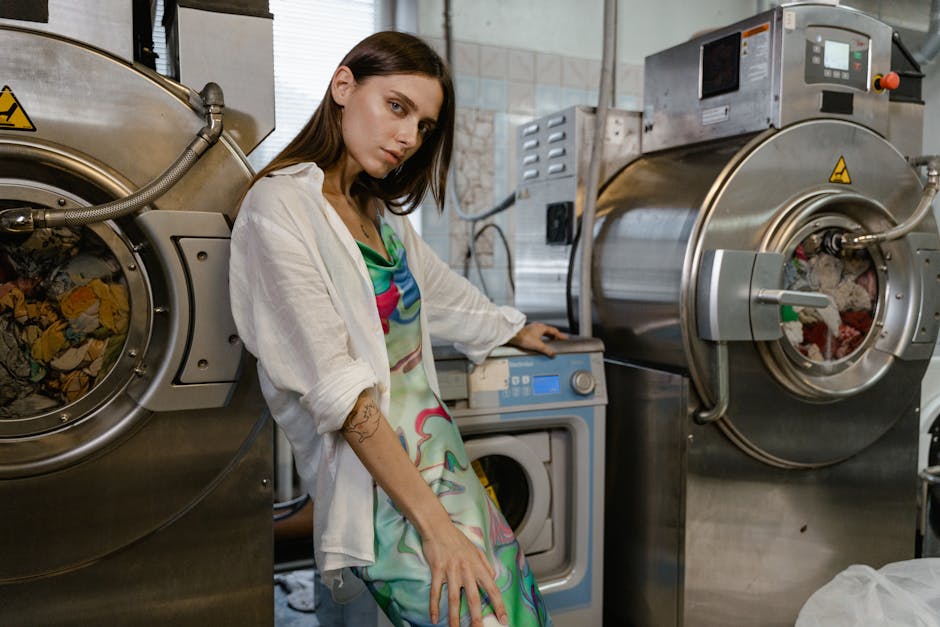
Contrary to the name, dry cleaning isn’t exactly ‘dry.’ It’s a process that deep-cleans clothing without immersing them in water. Instead, professional cleaners use unique hydrocarbon solvents that work as a detergent to remove dirt, stains, and grime. In fact, this method of cleaning can effectively safeguard sensitive fabrics and heavy textiles that may fade, shrink, or become damaged in water.
Key features that characterize the dry-cleaning process include:
- Use of specialized machines that clean and dry clothes in one cycle.
- Utilization of specific solvents like perchloroethylene that have unique cleaning properties.
- Inclusion of a post-cleaning process, where cleaners iron and package clothes for client pickup.
There are certain circumstances where dry cleaning is highly recommended. Delicate fabrics like silk, wool, and rayon respond more favorably to dry cleaning as the solvents preserve their integrity while eliminating stains. Furthermore, heavy items like curtains and comforters are better off dry-cleaned due to their cumbersome nature.
The Pros and Cons of Traditional Dry Cleaning
Traditional dry cleaning is certainly effective when it comes to cleaning sensitive fabrics and removing stubborn stains. By leveraging chemical solvents, it’s able to handle all types of dirt and restore the condition of high-quality garments in a way that typical home laundering struggles to achieve.
Nonetheless, traditional dry cleaning isn’t without its downsides. For instance, it’s a costly affair compared to home washing, as prices escalate depending on the fabric and size of the garment. Furthermore, there’s a negative environmental impact linked to specific solvents used in the process, especially perchloroethylene, a chemical considered harmful if mishandled.
To compare routine laundry and dry cleaning, let’s consider three factors: effectiveness, cost, and time. Here’s a summary:
| Factor | Laundry | Dry Cleaning |
|---|---|---|
| Effectiveness | Suitable for regular clothes; struggles with heavy stains | Excellent for all types of fabrics and stubborn stains |
| Cost | Relatively cheap; only detergent and water expenses | Can be expensive; prices vary depending on fabric type |
| Time | Rapid, especially with a washing machine | Usually takes longer as it involves comprehensive care |
Dry Cleaning in Your Home Dryer: Is it Possible?
Believe it or not, you can indeed dry-clean your clothes at home using your standard tumble dryer. The magic lies in dry cleaning kits that have made this a possibility. These kits come with a specially formulated cleaning solution, reusable dryer-activated cloth, and a stain remover.
To dry clean at home, you start by treating spots and stains using the provided stain remover, then placing the garments and dryer-activated cloth that’s been dampened with the cleaning solution into the dryer bag. The tumble dryer’s heat activates the cleaner to create a steam-filled environment in the bag, gently eliminating dirt and odors from the clothes. After about 30 minutes, the clothes should be ready. However, remember to hang them promptly to avoid creases.
Pro-tip : Although home dry-cleaning kits are convenient and cost-effective, they may not be as thorough as a professional dry cleaner when handling heavily soiled garments or complex fabrics. Therefore, they are best used for quick refreshes or lightly stained clothes.
Comparative Effectiveness of Dry Cleaning Kits and Traditional Dry Cleaning
While dry cleaning kits provide the convenience of cleaning your clothes at home, keep in mind that they might not yield the same results as their traditional counterparts. Traditional dry cleaning has sophisticated cleaning and pressing machines that tend to outdo what you can achieve with home dry cleaning.
Here’s a comparative look at both methods:
| Dry Cleaning Kits | Traditional Dry Cleaning | |
|---|---|---|
| Cost | Cost-effective for people with minimal dry cleaning needs | Expensive, but worth the investment for complex fabrics and stains |
| Convenience | Convenience of cleaning at home; No need for pickups/drop-offs | Requires trips to the dry cleaner |
| Cleaning Quality | Good for freshening clothes but may not handle heavy stains effectively | Excellent results due to professional processes and sophisticated machines |
In terms of fabrics, natural fibers like cotton and linen can handle home dry cleaning, but they tend to wrinkle heavily. Synthetic materials like polyester work well with dry cleaning kits. Delicate fabrics and special wear such as silk, cashmere, or a wedding dress, are better off left to professional cleaners to avoid damage.
Considerations and Precautions for At-Home Dry Cleaning
Deciding to dry clean at home might seem like a straightforward task, but it requires more thought than just throwing clothes into the dryer. An essential consideration is understanding your garments’ fabric type and following the manufacturer’s instructions. Garments with ‘Dry Clean Only’ labels may not take well to home dry cleaning, and you should seek professional cleaning for those.
If you proceed with home dry cleaning, remember to:
- Test a small inconspicuous area of the garment with the cleaning solution before treating the entire thing.
- Never overload the dryer bag. Stick to the number of garments the kit recommends.
- Check whether your dryer’s heat settings align with the recommendations of the cleaning kit.
Pro-tip : If you notice a chemical smell after ‘dry cleaning,’ it means the solvent hasn’t adequately evaporated. Air out the garments before storing or wearing them.
In summary, dry cleaning in your dryer is possible for certain garment types and levels of grubbiness but don’t ditch your professional dry cleaner entirely just yet. Hybridize the two methods for better laundry management. After all, who doesn’t appreciate a well-cleaned and preserved garment?
Key Takeaway:
- Dry cleaning uses special solvents to remove dirt, stains, and grime from delicate or heavy fabrics without immersing them in water, preserving their integrity.
- Despite being costly and potentially harmful to the environment, professional dry cleaning is highly effective in restoring the condition of high-quality garments and removing stubborn stains.
- Home dry cleaning kits allow users to dry clean their clothes in their tumble dryer, which provides a cost-effective and convenient solution but may not be as thorough as professional services.
- Understanding the type of fabrics you are dealing with is crucial when deciding whether to use at-home dry cleaning kits or professional services.
Remember, dry cleaning at home can be a great alternative for quick refreshes or lightly stained garments. Still, professional services should be your go-to solution for complex fabrics and heavily soiled clothes. Make your decision based on the garment type, stain level, and cost. Use both options strategically for optimal clothing care.
FAQs
Q: Can at-home dry cleaning completely replace the need for professional services?
A: While at-home dry cleaning kits offer convenience and cost-effectiveness, they may not achieve the same high-quality results as professional services, especially when dealing with complex fabrics or heavy stains. It’s advisable to use a combination of both methods based on your needs.
Q: How does a home dryer create a dry cleaning condition?
A: At-home dry cleaning kits come with a cleaning solution and a dryer-activated cloth. The heat from your dryer activates the cleaner, resulting in a steam-filled environment that gently removes dirt and odours from your clothes.
Q: Are there any risks involved with using dry cleaning kits at home?
A: Potential risks involve damaging garments by not thoroughly understanding their fabric type, overloading the dryer bag, or not aligning your dryer’s heat settings with the kit’s recommendations. Always test a small area and follow the kit’s instructions to minimize risks.
Q: Can I use a home dry cleaning kit if my garment label says ‘Dry Clean Only’?
A: It’s best to take garments with ‘Dry Clean Only’ labels to professional cleaners to avoid any damage that could occur from home treatments.
Q: I notice a chemical smell after using an at-home dry cleaning kit. What does this mean?
A: A chemical smell suggests the solvent hasn’t properly evaporated. You can address this by airing out the garments before storing or wearing them.
Feel free to share this article with others who might find these insights beneficial. You’re also welcome to explore more posts on our website for other interesting reads!