In our day-to-day cleaning endeavors, whether at home or our workplaces, we are often left with the task of disposing of dirty mop water. While it may appear as an insignificant detail in our routine, the method we choose to dump this wastewater can have substantial impacts on our environment, septic systems, and even local regulations. In light of this, it’s crucial to know the safest methods to turn to for the disposal of your dirty mop water. Let’s explore some of these methods, and the key aspects involved with each, imparting you with practical, actionable knowledge on effectively ridding of this dirty liquid.
Dumping Dirty Mop Water Into the Toilet
The toilet is often the go-to spot for disposing of dirty mop water – and for good reasons.
Being specifically designed for handling and transporting large amounts of wastewater, toilets link directly to the public sewer system, thereby making them an ideal option for such disposal.
Here are simple steps to dispose of your mop water in the toilet:
- Carefully carry the bucket of dirty water to your toilet. Use two hands and go slow to avoid spills.
- Slowly pour the dirty mop water down the toilet bowl.
- Rinse the bucket with clean water and dispose of that water down the toilet as well.
- Finally, flush the toilet to rinse away any remaining residue.
Pro Tip: It’s crucial to flush the toilet after disposal to ensure any residue is completely flushed away, leaving your toilet clean and free of contamination.
Using a Septic System to Dispose of Dirty Mop Water
In rural or remote settings, you may not have access to a public sewer system, but rather, a septic system. Septic systems have their own means of treating wastewater, making them capable of accommodating reasonable amounts of dirty mop water without causing harm to the environment.
Before using a septic system, remember to:
- Check local codes or regulations about septic system use.
- Ensure your system can handle the additional water without overflow.
- Avoid using excessive chemical cleaners in your mop water that could disrupt the septic system’s balance.
A quick comparison for you:
| Septic System | Public Sewer |
|---|---|
| Can handle small amounts of mop water | More suited for larger quantities |
| Requires caution with chemical usage | Limited restriction on cleaning agents |
| May overflow if overused | Designed to handle higher volumes |
Outdoor Dumping in Designated Areas
There are scenarios where the outdoors might be considered a safe destination for disposing of dirty mop water, such as a patch of gravel or unused corner of the yard. These areas, devoid of plants and with good drainage, can handle water and naturally filter it over time. However, caution should be exercised to ensure environmental safety.
Tips and precautions for this method include:
- Avoiding areas near water sources or flower gardens to prevent contamination.
- Refraining from disposing of water heavy with cleaning chemicals outdoors.
- Changing disposal spots regularly to prevent over-saturation.
Best practices:
- Always comply with local environmental regulations.
- If using soap or detergents, opt for biodegradable options.
Next, we’ll take a look at waste management facilities as a potential solution, and what you should avoid at all costs when disposing of mop water.
Disposing of Mop Water at a Water Treatment Facility
Water treatment facilities – you may think of them primarily as a place handling our city’s sewage and wastewater. However, did you know that these facilities can also be a safe and eco-friendly option for disposing of large quantities of dirty mop water, particularly if you own a business which produces substantial amounts of this wastewater on a daily basis?
Here’s a quick step-by-step guide if you’re considering this method:
- Contact your local water treatment facility to inquire about procedure and drop-off times.
- Understand their procedures for wastewater disposal. This may involve some paperwork and agreements.
- Pack and transport the dirty mop water safely. Always ensure that the containers are sealed and secure during transportation.
Nevertheless, as practical as this method might seem, it has its own pros and cons:
| Pros | Cons |
|---|---|
| Eco-friendly solution for large volumes | May require travel |
| Can handle commercial quantities | Limited operating hours |
| Potential for cost savings on waste disposal | Some paperwork involved |
What Not to Do with Dirty Mop Water
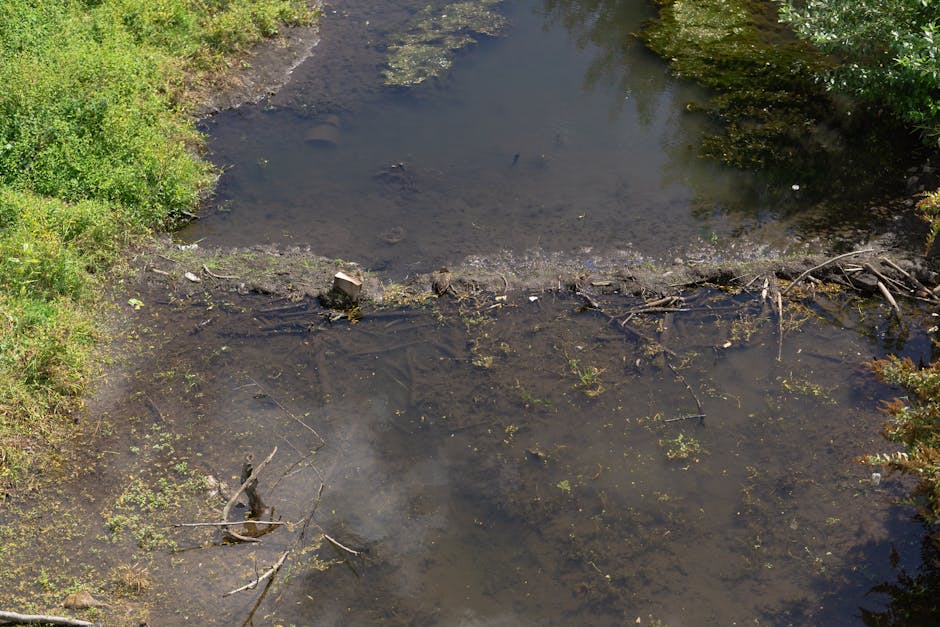
Now that we’ve discussed a few methods of disposing of dirty mop water safely and responsibly, let’s talk about what you should avoid. Here’s a golden rule: do not – under any circumstances – dump your dirty mop water into rivers, streams, or storm drains. These actions are not only hazardous to our environment but can attract substantial fines and penalties due to stringent environmental regulations.
Here are some scenarios to be wary of when disposing of mop water:
- Never dispose of mop water with high chemical content into natural bodies of water.
- Avoid pouring dirty mop water directly on the ground, as it can contaminate nearby water sources.
- Mop water containing oil, paints, or other hazardous materials should not be dumped in any of the aforementioned ways. Instead, contact your local hazardous waste facility for proper disposal instructions.
In conclusion, always remember that when it comes to disposing of dirty mop water, safety and environmental impact should be your primary considerations. It’s always recommended to be aware of and comply with local regulations while choosing a method of disposal. After all, it’s our shared responsibility to keep our environment clean and green.
Key Takeaway:
- The toilet, linked directly to the public sewage system, is a suitable place to dispose of dirty mop water. However, one should ensure to flush away any residue post disposal.
- Septic systems, mainly found in rural or remote settings, can accommodate reasonable amounts of dirty mop water unless it contains excessive chemical cleaners. Always check before using the septic system.
- Designated outdoor areas such as a patch of gravel or unused corner of the yard may be used for disposing of mop water. It’s essential to avoid areas near water sources, flower beds, and avoid disposing water laden with heavy cleaning chemicals.
- Local wastewater treatment facilities can be safe and eco-friendly options for disposing of large amounts of dirty mop water, especially suitable for commercial establishments.
- It is essential to avoid practices like dumping dirty mop water in rivers, streams, stormwater drains, directly onto the ground, or places harming natural water bodies.
Don’t view dirty mop water disposal as an unwelcome chore, but rather an opportunity to contribute positively to our environment. By choosing to dispose of your mop water responsibly, you play a part in protecting our precious water resources, ensuring our shared world remains a cleaner, healthier place to live.
FAQs
Q: How can I dispose of mop water containing oil or paints?
A: If your mop water contains potentially hazardous substances like oil or paint, don’t dispose it using regular methods. Instead, contact your local hazardous waste facility for proper instructions on safe disposal.
Q: Can I pour mop water down my kitchen sink drain?
A: While it’s not generally harmful to drain mop water down your kitchen sink, consider the type of chemicals in your cleaning solution and the capacity of your drainage system. Overloading your drain with chemically heavy water could potentially cause damage.
Q: Is it necessary to rinse bucket with clean water after dumping mop water in the toilet?
A: Yes, it’s good practice to rinse your bucket with clean water after disposing of dirty mop water. This helps push any residual dirt down the drain and ensure your bucket is clean for next use.
Q: Can I use bleach in my mop water if I plan to dump it in my septic system?
A: You should avoid using excessive bleach or other harsh chemicals in your mop water if you’re using a septic system. These chemicals can disrupt the balance of your system and potentially cause damage or inefficiency.
Q: What repercussions can occur if I dump mop water into rivers or storm drains?
A: Dumping dirty mop water into natural bodies of water like rivers or storm drains can harm the ecosystem and attract penalties due to environmental regulations. Always opt for safe and eco-friendly disposal methods instead.
Feel free to share this article with those who might find it useful and explore more articles on our site.