Hydrogen Peroxide: a simple, readily available, and environmentally friendly powerhouse that goes beyond treating wounds. Its ability to clean, disinfect, and deodorize makes it shine as a versatile household cleaning tool.
Understanding the Basics of Hydrogen Peroxide
Hydrogen Peroxide is a pale blue liquid that appears colorless in dilute solutions. It comprises two hydrogen and two oxygen atoms, giving it the chemical formula H2O2. This composition results in a highly reactive substance that releases oxygen upon decomposition, a property that equips it excellently for cleaning and disinfecting tasks.
A distinct advantage of Hydrogen Peroxide is its eco-friendly attributes. It breaks down into oxygen and water, neither of which pose any harm to the environment.
Pro tip: While Hydrogen Peroxide demonstrates efficient cleaning properties, be aware that it does not effectively handle greasy stains or residues.
Precautions While Using Hydrogen Peroxide for Cleaning
Despite its myriad benefits, Hydrogen Peroxide requires careful handling. The typical concentration for household use stands at 3%, anything stronger can cause skin, eye, or respiratory irritation. Always wear protective gear such as gloves and eyewear when using this agent to ward off any potential harm.
Best practice: Always dilute Hydrogen Peroxide with water before using it on sensitive surfaces to prevent discoloration or damage.
Methods of Using Hydrogen Peroxide for Surface Cleaning
You can effectively utilize Hydrogen Peroxide for surface cleaning by creating a handy DIY cleaning solution. Simply pour a 3% Hydrogen Peroxide solution into a spray bottle, then apply to kitchen countertops, tables, or other hard surfaces. Wipe down with a clean cloth for sparkling, sanitized surfaces.
✅Cleaning materials needed: Hydrogen Peroxide, spray bottle, clean cloth.
Let’s take a moment to compare Hydrogen Peroxide with another commonly used DIY cleaning agent: Vinegar.
Here’s a brief comparison.
| Hydrogen Peroxide | Vinegar | |
|---|---|---|
| Strengths | Potent disinfectant, breaks down into harmless compounds | Good for removing mineral deposits and wax build-up |
| Weaknesses | Not effective on greasy stains | Not effective against viruses and bacteria, can damage stone surfaces |
As you can see, while both cleaning agents have their strengths and weaknesses, Hydrogen Peroxide stands out as a superior disinfectant.
Using Hydrogen Peroxide for Bathroom Cleaning
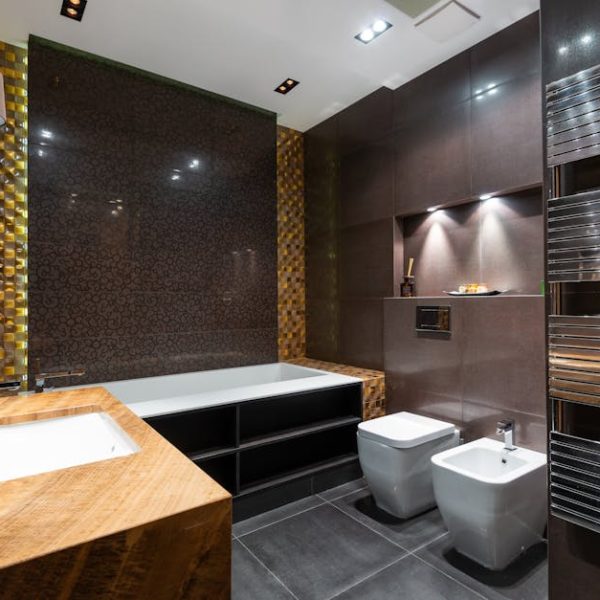
Hydrogen Peroxide’s disinfecting power shines brightly in the bathroom. It effectively battles against pesky mold and mildew, leaving your bathroom clean and fresh.
When cleaning bathroom fixtures like bathtubs, sinks, and toilets, spray a thin layer of diluted Hydrogen Peroxide and let it sit for about 10-15 minutes. This waiting period allows Hydrogen Peroxide to penetrate and break down the germs and grime deeply. Scrub and rinse for a squeaky-clean finish.
Pro tip: For stubborn stains or mildew, leave the Hydrogen Peroxide to work for a couple of hours or even overnight before scrubbing. This strategy enhances its action to give you a sparkling clean bathroom.
Cleaning Carpets and Rugs with Hydrogen Peroxide
Stains on your carpets and rugs? Fear not! Hydrogen Peroxide is a champion in spot cleaning.
Begin by testing on a hidden section of the carpet for colorfastness. If the color remains intact, proceed with spot treatment. Apply a small amount of Hydrogen Peroxide on the stain and let it bubble away the offending spot. Blot with a clean cloth and rinse the treated area with water.
✅Essentials for carpet cleaning: Hydrogen Peroxide solution, sponge, clean cloth for blotting.
But how does Hydrogen Peroxide weigh compared to other cleaning solutions? Let’s compare.
| Hydrogen Peroxide | Other Cleaning Solutions | |
|---|---|---|
| Effectiveness | Very effective in removing common stains | Varies, dependent on type/stubbornness of stain |
| Easiness | Simple and easy to use | May require combinations of products and physical effort |
| Risks | May bleach certain fabrics if not properly tested | Can be harmful to the skin, respiratory system, and environment |
As evidenced, Hydrogen Peroxide is a powerful, eco-friendly, and handy agent for household cleaning. − but like most things, it’s essential to use it correctly and judiciously for optimal results.
Key Takeaway:
- Hydrogen Peroxide is a potent and eco-friendly cleaning tool for household applications.
- It is composed of two hydrogen and two oxygen atoms that make it highly reactive and beneficial for cleaning and disinfecting tasks.
- The compound requires careful handling with protective gear, and it’s best to dilute it before use on sensitive surfaces.
- Hydrogen Peroxide can effectively clean hard surfaces, bathrooms fixtures, and even does spot cleaning on carpets and rugs.
- In comparison to other DIY cleaning agents like vinegar or other carpet cleaning solutions, Hydrogen Peroxide stands out as a safer, more potent disinfectant.
Hydrogen Peroxide can truly revolutionize your household cleaning routines. This eco-friendly, readily available, and efficient disinfectant is a one-stop solution for your cleaning needs. Protect your family from harmful germs and maintain a clean, fresh house with the power of Hydrogen Peroxide.
FAQs
Q: Can I use hydrogen peroxide for cleaning all types of surfaces?
A: While Hydrogen Peroxide is a versatile cleaner, it may not be suitable for all surfaces. It’s advisable to do a patch test before applying it to sensitive surfaces like fabric or colored tiles.
Q: Can hydrogen peroxide damage my skin or eyes?
A: Hydrogen Peroxide, especially concentrated versions, can cause skin irritation or harm your eyes if it comes in direct contact. It’s crucial to wear protective gear such as gloves and glasses when using it.
Q: Can I use hydrogen peroxide to clean wooden surfaces?
A: Hydrogen Peroxide can bleach wooden surfaces. Therefore, it’s not advisable to use it directly on such surfaces.
Q: What should I do in case hydrogen peroxide comes into direct contact with my skin or eyes?
A: If Hydrogen Peroxide comes in contact with your skin, rinse thoroughly with water. In case of eye contact, rinse your eyes with water immediately and seek medical help.
Q: Is there a specific concentration of hydrogen peroxide that is safe for cleaning?
A: Yes, typically a 3% Hydrogen Peroxide solution is safe for home cleaning purposes.
Explore more useful articles on our website and feel free to share this enlightening guide on using Hydrogen Peroxide for cleaning with your friends and family.