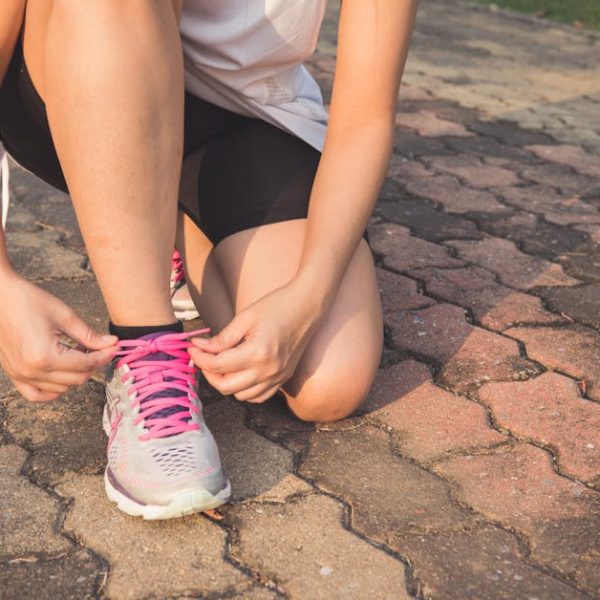

Paint on shoes can feel like a disaster, especially when it’s your favorite pair. Whether it’s latex from a weekend DIY project, oil-based from an art session, or even errant spray paint, those colorful splotches can seem stubbornly permanent. But don’t despair! With the right approach and a bit of patience, you can often restore your footwear to their former glory. This comprehensive guide will walk you through the most effective methods to tackle various paint stains on different shoe materials, ensuring you have the best chance at a successful clean-up.
Why Removing Paint Stains Can Be Tricky (But Not Impossible!)
The challenge of removing paint stems from its composition and how it interacts with different shoe materials like canvas, leather, suede, or synthetic fabrics. Paint is designed to adhere, and once it dries, it forms a durable bond. The type of paint (water-based vs. oil-based) and the Shoe material are crucial factors in determining the best removal strategy. Acting quickly is key, but even dried paint can often be managed with the right techniques.
Essential Preparations Before You Begin
Before you dive into stain removal, a little preparation goes a long way.
Gathering Your Arsenal: What You’ll Need
- Gloves: Protect your hands from paint removers and chemicals.
- Old Cloths/Paper Towels: For dabbing and wiping.
- Soft Brush/Old Toothbrush: For gentle scrubbing.
- Plastic Scraper/Dull Knife: For gently flaking off dried paint.
- Cotton Swabs: For precise application on small areas.
- Ventilated Area: Crucial when using chemical removers.
- Patience: This isn’t always a quick fix!
Identifying Your Shoe Material & Paint Type
Knowing what you’re working with is half the battle.
| Shoe Material | Paint Type | General Approach |
|---|---|---|
| Canvas/Fabric | Latex (Water-based) | Water, mild soap, non-acetone |
| Oil-based | Mineral spirits, paint thinner | |
| Leather/Patent | Latex (Water-based) | Gentle soap, leather cleaner |
| Oil-based | Mineral spirits (with caution) | |
| Suede/Nubuck | Latex (Water-based) | Suede eraser, very gentle soap |
| Oil-based | Professional cleaning recommended | |
| Synthetics (Mesh) | Various | Similar to canvas, test first |
Key Takeaway: Always test any cleaning solution on an inconspicuous area of your shoe first to ensure it doesn’t cause discoloration or damage.
Top 10 Tips for Effective Paint Stain Removal
Here are our expert tips, ranging from gentle approaches for fresh stains to more aggressive treatments for dried, stubborn paint.
1. Act Immediately for Fresh Paint
The fresher the stain, the easier it is to remove. As soon as you notice wet paint, grab a paper towel or old cloth and gently blot (don’t rub!) to absorb as much as possible.
- For Water-Based (Latex/Acrylic) Paint: Use a damp cloth with plain water to gently wipe away the wet paint. A mild dish soap can be added if needed.
- For Oil-Based Paint: Use a dry cloth to blot away excess. Avoid water, as it won’t mix and can spread the stain.
2. The Scrape & Peel Method for Dried Paint
For dried paint, especially thicker blobs, mechanical removal is your first step.
- Allow the paint to dry completely (if it’s still wet).
- Using a dull knife, plastic scraper, or even your fingernail, gently try to scrape or peel off the raised paint. Work slowly and carefully to avoid damaging the shoe material underneath.
- For canvas or fabric, you might be able to carefully use sandpaper with very fine grit, but this should be a last resort and tested first.
3. Dish Soap & Warm Water (For Water-Based Paints on Canvas/Synthetics)
This is your go-to for latex and acrylic paints on durable fabrics.
- Mix a few drops of mild dish soap with warm water.
- Dip an old toothbrush or cloth into the solution.
- Gently scrub the paint stain in small circular motions.
- Rinse with a clean, damp cloth. Repeat if necessary.
4. Mineral Spirits or Paint Thinner (For Oil-Based Paints)
These solvents are effective for oil-based paints but require caution.
- Application: Apply a small amount to a cotton swab or a clean cloth.
- Dab, Don’t Rub: Gently dab the paint stain. Avoid saturating the shoe, especially leather or synthetics, as these can be stripped or damaged.
- Ventilation: Use in a well-ventilated area.
- Rinse: After the paint loosens, wipe with a clean, damp cloth. Follow up with a mild soap and water wash if the shoe material allows, to remove solvent residue.
Common Mistake to Avoid: Never use paint thinner or mineral spirits on delicate materials like suede or nubuck unless explicitly advised by a professional.
5. Rubbing Alcohol (Effective for Some Dried Latex)
Rubbing alcohol (isopropyl alcohol) can sometimes dissolve dried latex paint.
- Soak a cotton ball or swab in rubbing alcohol.
- Dab the paint stain, allowing the alcohol to penetrate for a few minutes.
- Gently scrub with a soft brush or cloth.
- Wipe clean with a damp cloth.
6. Nail Polish Remover (Acetone-Free Recommended)
Acetone can be very harsh and strip dyes or damage synthetic materials. Always opt for an acetone-free nail polish remover.
- Test on an inconspicuous area first!
- Apply a small amount to a cotton swab.
- Gently dab at the paint stain. You should see the paint starting to dissolve.
- Wipe clean with a damp cloth.
7. WD-40 (For Small, Stubborn Paint Splatters)
Believe it or not, WD-40 can sometimes break down the bond of both oil and latex paints.
- Spray a small amount of WD-40 onto a cloth, not directly on the shoe.
- Gently dab the stained area.
- Let it sit for a few minutes.
- Rub gently with the cloth until the paint starts to lift.
- Clean the remaining WD-40 residue with soap and water (if appropriate for the shoe material).
8. Commercial Paint Removers (Use with Extreme Caution)
Products like “Goof Off” or “Goo Gone” are powerful but can also be damaging.
- Warning: These are strong chemicals. Always read the product instructions carefully and test on an hidden spot.
- Ventilation is a Must: Use outdoors or in a very well-ventilated room.
- Gloves: Wear chemical-resistant gloves.
- Specific Use: Best for highly durable materials like certain leathers or synthetic soles. Avoid on fabric, suede, or delicate finishes.
- Aftercare: Thoroughly rinse the area with water and mild soap to remove all chemical residue.
9. Suede & Nubuck Specific Care
Suede and nubuck are notoriously difficult.
- For Dried Latex: Use a suede brush or eraser. Lightly rub the stain to lift it. If very stubborn, a tiny amount of mild, diluted dish soap might work, but this risks water stains.
- For Oil-Based/Large Stains: Seriously consider professional cleaning. DIY attempts often lead to irreversible damage.
10. The Freezer Method (For Chewing Gum-Like Paint Spots)
While more commonly used for gum, the freezer method can make some thick, dried paint brittle enough to chip off.
- Place the shoe in a plastic bag, trying to avoid contact between the paint and the bag.
- Freeze for several hours until the paint is rock hard.
- Carefully use a dull knife or scraper to chip away the frozen paint. This works best if the paint is a thick, raised blob.
Pro Tips for Success
- Work from the Outside In: When scrubbing or dabbing, start at the edge of the stain and work your way inward to prevent spreading.
- Blot, Don’t Rub: Rubbing can push the paint deeper into the fibers.
- Multiple Applications: Stubborn stains might require several rounds of treatment.
- Condition Leather: If you used strong cleaners on leather, follow up with a leather conditioner to prevent drying and cracking.
- Air Dry: Always air dry shoes away from direct heat after cleaning. Stuff with paper towels to maintain shape and absorb moisture.
Summary of Key Approaches
| Paint Removal Method | Best For | Cautions |
|---|---|---|
| Immediate Blotting (Wet Paint) | All paint types, all materials | Act quickly! |
| Scrape & Peel (Dried Paint) | Thick, dried paint on any durable material | Risk of damaging shoe if too aggressive |
| Dish Soap & Warm Water | Latex/Acrylic on Canvas, Synthetics | Not effective for oil-based paints |
| Mineral Spirits/Paint Thinner | Oil-based on Canvas, some Leathers | Strong chemicals, test first, good ventilation |
| Rubbing Alcohol | Dried Latex on durable materials | Can dry out leather, test for colorfastness |
| Acetone-Free Nail Polish Remover | Small stains on durable synthetics | Always test first, avoid acetone on many materials |
| WD-40 | Small, stubborn spots (oil & latex) | Can leave residue, clean thoroughly |
| Commercial Paint Removers | Highly durable materials like soles | Very strong, high risk of damage, ventilate heavily |
| Suede Brush/Eraser | Light, fresh latex on Suede/Nubuck | Water can stain suede; oil-based usually requires pros |
| Freezer Method | Thick, “crusty” dried paint on most materials | Less effective for thin, soaked-in stains |
Frequently Asked Questions (FAQs)
Q1: Can I use a washing machine to remove paint from canvas shoes?
A1: Generally, no. While you might wash shoes, adding paint can transfer it to other parts of the shoe or even to the washing machine itself. Treat the stain directly first, then you can machine wash if the shoe care instructions allow.
Q2: What if the paint has been there for a long time?
A2: Older, dried paint is significantly harder to remove. You’ll likely need to resort to stronger methods like mineral spirits (for oil-based) or rubbing alcohol (for latex), or even a commercial paint remover on suitable materials, applied multiple times with patience.
Q3: Is it possible to remove spray paint?
A3: Spray paint is often oil-based and can be very stubborn due to its fine particles. Mineral spirits or paint thinner is usually your best bet, applied with extreme caution and testing. For delicate materials, professional cleaning is highly recommended.
Q4: My shoes are a delicate color. Will these methods ruin the dye?
A4: This is why testing in an inconspicuous area is absolutely critical. Stronger solvents like mineral spirits, rubbing alcohol, and especially acetone can lift or lighten shoe dyes. Start with the gentlest method possible.
Q5: When should I just give up and buy new shoes or take them to a professional?
A5: If you’ve tried several gentle methods without success, or if the shoe material is particularly delicate (like suede, untreated leather, or vintage fabrics), it’s wise to consult a professional shoe cleaner. They have specialized tools and chemicals that are less likely to damage your footwear. For very large, deeply embedded stains on inexpensive shoes, sometimes replacement is the most cost-effective option.
Final Thoughts
Accidents happen, and paint stains on shoes are a common culprit. While it can be frustrating, the key is to assess the situation calmly, identify your shoe material and paint type, and then select the appropriate removal method. With patience, the right tools, and careful application, you can often save your beloved footwear from being relegated to the painting-only pile.
Did you successfully remove a stubborn paint stain from your shoes? Share your tips and triumphs in the comments below!