The Unpleasant Reality: Soap Scum on Glass Surfaces
Soap scum seems almost like a mythical creature. You might not see it—at first—but rest assured, it’s lurking there. The filmy layer accumulating on your glass shower doors and bathroom mirrors isn’t a mere water stain. It is, in fact, the dreaded soap scum. Stemming from mineral-rich hard water, soap residue, and dead skin cells, this unappetizing cocktail has expertly mastered the art of seizing unsuspecting surfaces. Combined, these elements form an insoluble, stubborn residue that loves to take stronghold primarily on glass surfaces, displaying an unsightly appearance.
Your vocabulary might comprise many words describing the abode of your dreams, serene, warm, inviting, but ‘scummy’ certainly doesn’t feature there. But worry not! Let’s first familiarise ourselves with this unwelcome guest. Typical places where you can locate soap scum build-ups include, but are not limited to shower doors, bathroom mirrors, glasses, and glass dining tables. Telltale signs of significant soap scum accumulation comprise a milky, streaky substance on the glass that feels bumpy or gritty to the touch.
The Essentials: Materials for Cleaning Soap Scum
Armed with knowledge about your adversary, it’s time to prepare for the battle. Thankfully, the materials and tools needed for efficient soap scum removal are relatively simple and can be easily found in your cleaning cabinet or the local store. Your checklist should include distilled white vinegar, baking soda, scrub brushes or old toothbrushes, soft microfiber cloths for wiping, and protective gloves.
While commercial cleaning products specifically designed to combat soap scum are readily available in the market, you might be the kind who prefers a more natural, homemade solution. So how do you decide? When considering commercial products, bear in mind the benefits of convenience and power. On the other hand, homemade cleaning solutions like vinegar and baking soda are environmentally friendly, won’t irritate the skin and are light on the pocket.
Taking the First Steps: Cleaning Initial Soap Scum
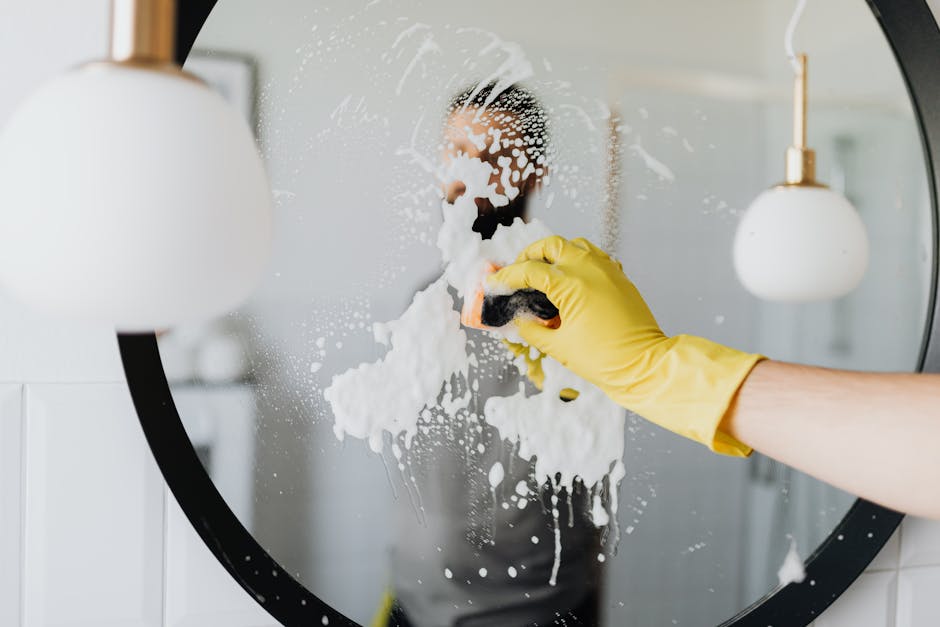
The good news is that removing light soap scum or tackling the initial stages of a heavier build-up is fairly straightforward, especially if you follow these step-by-step instructions. Begin by mixing equal parts of vinegar and warm water in a spray bottle. With protective gloves on, generously spray the solution onto the glass surface and leave it on for 15 minutes. Use a non-scratch scrub brush or, in a pinch, a toothbrush to work the solution into the soap scum. Rinse and use a moistened microfiber cloth to wipe the glass dry.
Remember, patience is the key here. One of the important pro tips to keep in mind is to never be aggressive with the scrubbing, so as not to scratch the glass surface. It’s not about force; it’s about consistency and giving the cleaning solution ample time to do its work. Moving Up the Ladder: Tackling Persistent Soap Scum
What if your glass surfaces are still looking grimy after the initial cleaning round, with resilient soap scum laughing at your efforts? Fear not! For stubborn, persistent soap scum that’s been left untreated for a while, there are slightly more aggressive cleaning methods available. One popular method involves a baking soda and vinegar scrub: mix equal parts baking soda and vinegar to create a thick paste, apply this paste onto the glass surface, leave it to rest for about 15 minutes, and then scrub off with a soft-bristle brush. Rinse thoroughly and wipe the surface dry using a microfiber cloth.
One factor we often overlook is the temperature of the water used for rinsing — using warm water can help in disintegrating the soap scum more effectively. Best practice dictates that, just like with lighter build-ups, gentle consistency pays off when dealing with stubborn scum. Remember, your goal is to eliminate soap scum, not the glass surface along with it!
Mitigation Measures: Preventing Future Soap Scum Build-Up
You’ve armed yourself with the knowledge and tools to battle existing soap scum, now it’s time to strategize for the future–preventing is much easier than curing, after all. Making small changes to your daily routine can save you from the hassle of dealing with significant soap scum build-up again. Consider these preventive measures:
- Squeegee your shower doors after every use to remove excess water and soap residue.
- Maintain proper ventilation in the bathroom to prevent the formation of hard water stains.
- Use a daily shower spray that helps prevent soap scum build-up.
- Consider installing a water softener system to reduce the hardness of water.
Adopting these habits could lessen the frequency of arduous cleaning sessions considerably. But it’s essential to remember that some preventive measures might work better than others, depending on your specific situation. In the end, the best strategy is one that fits seamlessly into your daily routine and doesn’t feel like a chore. Soap scum is adamant, but with continuous vigilance and the right techniques, keeping that transparent squeaky-clean shine on your surfaces will no more be just a dream.
Key Takeaway:
- Soap scum forms from hard water, soap residue and dead skin cells and often collects on glass surfaces like shower doors, bathroom mirrors, and tables.
- The materials needed for efficient soap scum removal are easily accessible and include distilled white vinegar, baking soda, scrub brushes or old toothbrushes, soft microfiber cloths, and protective gloves.
- Light soap scum can be removed by spraying a mixture of vinegar and warm water on the surface, letting it soak, then scrubbing gently and wiping dry.
- For more persistent soap scum, a thick paste of baking soda and vinegar can be applied, left to rest, then scrubbed off.
- Preventing future soap scum build-up can be achieved by making small changes to routine habits such as using a squeegee on shower doors after use, maintaining proper ventilation, using a daily shower spray and installing a water softener system.
Rest assured that by equipping yourself with the right knowledge, tools, and habits, maintaining clean and scum-free glass surfaces can become a hassle-free affair. Keep in mind that patience, consistency, and preventive measures are significant aspects of efficient soap scum removal and maintenance.
FAQs
Q: Can soap scum cause any health problems?
A: While uncomfortable to touch and unattractive to look at, soap scum itself does not pose any serious health risks. However, it can trap bacteria and mould, leading to an unhygienic environment, especially in places like the bathroom.
Q: Can I use dish soap to clean soap scum?
A: Yes, dish soap can be used in combination with vinegar to create a potent scum-fighting solution. However, it might not be as effective for persistent soap scum build-up as specialized commercial products or a mixture of baking soda and vinegar.
Q: Why does soap scum build up more on some surfaces than others?
A: Soap scum sticks readily to porous materials and is often more visible on glass or ceramic surfaces. Additionally, surfaces regularly exposed to soapy water, such as shower doors or bathroom mirrors, will typically see faster soap scum build-up.
Q: How can I remove soap scum from surfaces other than glass?
A: The methods discussed, including the use of vinegar, baking soda, and gentle scrubbing, are also effective at removing soap scum from other non-porous surfaces like ceramic and metal. Always remember to test your cleaning solution on an inconspicuous area first.
Q: Can using soft water prevent soap scum?
A: Yes, using soft water can help to prevent soap scum. Hard water contains minerals that combine with soap to form scum, while soft water does not, reducing the potential for soap scum formation.
Feel free to share this informative piece with others tackling the soap scum issue, and continue exploring our website for more insightful posts.