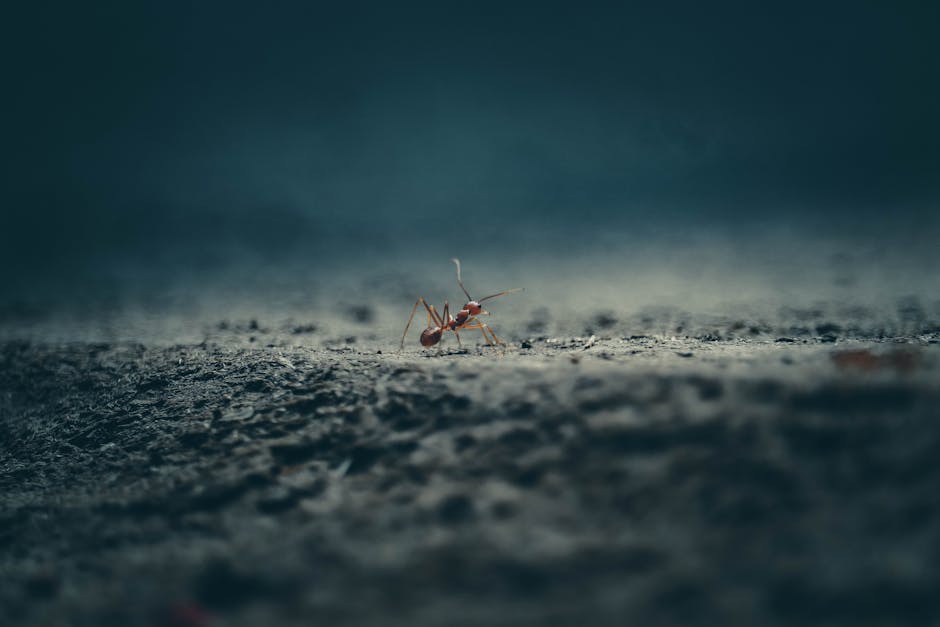
An ant invasion in your kitchen can turn into a real nuisance, creating an unsanitary environment and potentially damaging your foodstuffs. Fortunately, there are several effective methods to eradicate these tiny pests from your culinary sanctuary. This article overviews the reasons why ants might be attracted to your kitchen and advice on how to prevent them from returning. Plus, it includes a handy identification guide for different types of kitchen ants, a comparison of chemical and non-chemical ant elimination solutions and an indicator of when you might need to call a professional exterminator.
Understanding the Reason for Ant Infestation in Kitchens
Kitchens naturally attract ants due to the plentiful supply of food and water. Specific foodstuffs, such as sweet and sticky substances, are incredibly enticing to these diligent foragers. Moreover, you’ll often notice increased ant activity during the spring and summer because these seasons provide an optimal environment for their reproduction and foraging.
To minimize the attraction, consider the following tips:
- Cover food adequately, especially those rich in sugars.
- Clean any spillages immediately before ants detect the trail.
- Avoid leaving dishes with food remnants in the sink overnight.
Identification of Different Types of Kitchen Ants
It’s crucial to know your enemy. The most common types of ants infesting kitchens are Pharaoh ants, sugar ants, and carpenter ants. Understanding their behaviors and dietary preferences can assist you in the best strategy for their effective elimination.
Pro Tips:
- A pest control professional can help identify the type of ants accurately.
- Studying their foraging habits will help you detect their trails and nests.
Preventive Measures to Keep Ants at Bay
Prevention is always better than cure, and it’s no different with ant infestations. Maintaining a clean kitchen is of utmost importance. Be scrupulous about under-sink areas, storage cabinets, the back of appliances, and other hidden corners. Make regular use of airtight containers for food storage to eliminate potential food sources for these pests.
Practical checklist to follow:
- Consistently remove garbage, especially if it contains food.
- Ensure potential entry points, like cracks and holes, are sealed.
- Regularly clean kitchen appliances.
- Maintain clear surroundings, free of shrubs and other vegetation.
Now you are ready to move forward with the next part of this journey: understanding the actual methods to eradicate tiny ants from your kitchen.
Chemical and Non-Chemical Methods to Eliminate Ants
When it comes to eliminating ants, chemical means are often seen as the quickest and most effective. Ant baits, which come in gel, granule, and station forms, are a common method used. These are mixed with food attractants and slow-acting insecticides which can be shared across the entire colony, resulting in its elimination.
Other common chemical methods include sprays and insecticides. While they are effective in the short-term, they often don’t reach the entire colony, and thus may not solve the root of the problem.
On the other hand, natural or non-chemical methods can also be highly effective, in addition to being safer and more environmentally friendly. Essential oils such as peppermint, eucalyptus, and tea tree oil can be used to disrupt ant trails, while substances like vinegar and diatomaceous earth can kill or deter ants.
Here’s a comparison of the pros and cons of each method:
| Method | Pros | Cons |
|---|---|---|
| Chemical (ant baits, sprays, insecticides) | Fast-acting, vast reach in extermination | May be harmful to humans and pets, can cause environmental pollution, may not eliminate entire colony |
| Non-Chemical (natural repellents, essential oils) | Safer for humans and pets, environmentally friendly | May need to be reapplied regularly, some ants may not respond |
Best Practices:
- Opt for solutions that are safe for children and pets.
- Always follow safety instructions while using chemicals.
- Regular reapplication is necessary with many natural methods to ensure continued effectiveness.
When to Call a Professional for Ant Control
If the ant infestation in your kitchen becomes severe, it’s time to call a professional. A messy kitchen, visible nests, and increasing ant numbers despite chemical or non-chemical interventions are all signs that professional help is needed.
Professional pest control services offer advantages such as safety and effectiveness, especially for large infestations. However, they can be costly and may involve the use of potentially harmful chemicals.
Tips to consider:
- Always research and select a certified professional exterminator.
- Consider annual contracts if your household is particularly prone to infestations.
- Do not attempt to handle severe infestations by yourself – it can be hazardous and less effective.
In conclusion, while ant infestations in your kitchen may be a common headache, there are numerous techniques to handle them safely and effectively. Remember to understand, prevent, and act wisely in order to maintain a clean, ant-free kitchen.
Key Takeaway:
- Ant infestations are common in kitchens due to the accessibility of food and water. Various species are attracted to different types of food, with an increased occurrence in spring and summer.
- Identification of ant species is significant for effective elimination. Common kitchen ants include Pharaoh ants, sugar ants, and carpenter ants.
- Prevention is pivotal in ant control. This involves maintaining cleanliness, employing airtight food storage, and clearing out potential nesting areas.
- Chemical and non-chemical methods can be effective. Each has its pros and cons, and understanding these is necessary for the successful output.
- In cases of severe infestation, seeking professional assistance is recommended.
Don’t lose heart if you’re facing an ant invasion in your kitchen. By understanding your problem, keeping a clean kitchen, and using effective ant elimination methods, you can restore your kitchen to its ant-free state. Remember, consistency is key, and do not hesitate to call a professional if the infestation becomes severe.
FAQs
Q: What kinds of food attract ants in the kitchen?
A: Though ants can be attracted to any type of food, they’re particularly drawn to sweet and sugary items. Leftover food, fruits, spilled juices, honey, and even pet food can attract ants.
Q: Are certain types of ants more harmful than others?
A: Yes, certain ant types such as carpenter ants can cause damage to wooden structures while others like Pharaoh ants and sugar ants are more of a nuisance. However, all can contaminate food, advocating for their quick removal.
Q: How can I recognize a severe ant infestation?
A: Signs of a severe infestation include visible nests, large numbers of ants, and persistent sightings despite elimination attempts. If you confront these signs, it’s best to contact a professional exterminator.
Q: Are natural ant elimination techniques effective?
A: Natural methods can be effective and are often preferable for their safety and environmental friendliness. However, they usually require regular reapplication and patience compared to chemical methods.
Q: What precautions should I take when using chemical ant control methods?
A: When using chemical methods, always follow the product instructions carefully. Protect children and pets from exposure, and ensure adequate ventilation to prevent inhaling fumes.
Go on, share this helpful article with others and explore more informative posts on our website! Remember, a cleaner and ant-free kitchen is just a few steps away!