
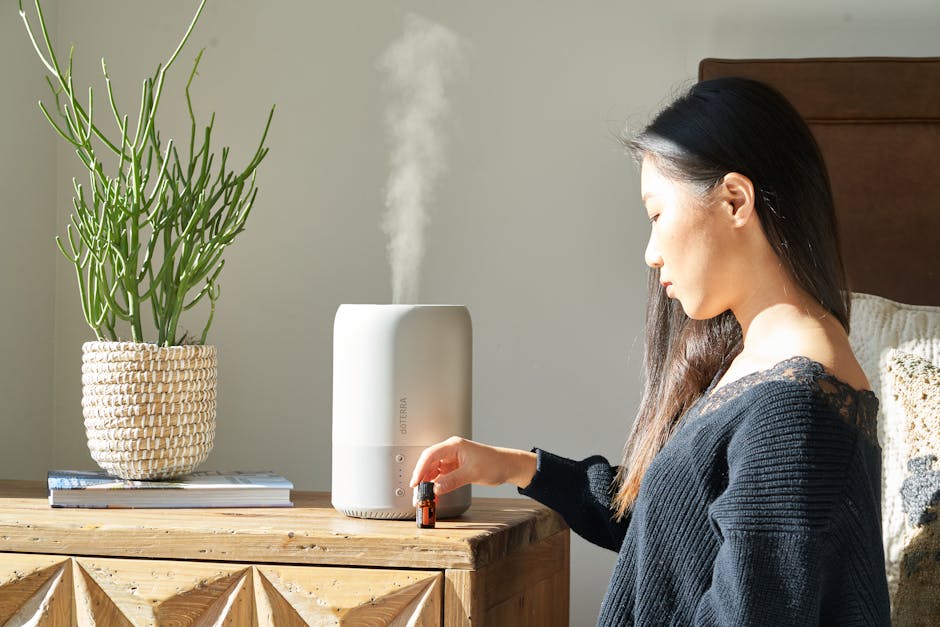
Do you often experience dry skin, irritated throat, or occasional nosebleeds, especially during the winter months? It might be a sign of low humidity in your home or workplace. Here is where a humidifier comes into play. A humidifier is an advantageous device that boosts the moisture levels in the air to help reduce dryness.
Understanding the Purpose of a Humidifier
A humidifier essentially adds moisture to your indoor air, making it less dry and more comfortable to breathe. Its basic functioning mechanism involves taking in water from a reservoir and dispersing it into the room to increase the humidity level. As so, humidifiers prove beneficial in various indoor environments, such as homes, offices, plants within greenhouses, museums with sensitive exhibits, and more. As a general rule of thumb, if you notice symptoms like dry skin, chapped lips, frequent throat irritations or static electricity, it is likely a sign that your space could benefit from a humidifier.
The Detailed Functioning of Humidifiers
Understanding how a humidifier works is quite straightforward. The key components of a humidifier include a reservoir to hold water, a wick that absorbs the water, and a fan that blows air onto the wick to evaporate the water. This process increases the humidity in the surrounding air. Two popular variants of humidifiers are ultrasonic and evaporative. While ultrasonic humidifiers use high-frequency vibrations to produce a cool mist, evaporative types use a wick filter to absorb water, which is then evaporated by a fan into the room.
Various Types of Humidifiers and Their Features
There are several types of humidifiers available, each with unique features catering to specific needs: Central Humidifiers, Evaporators, Impeller Humidifiers, Steam Vaporizers, and Ultrasonic Humidifiers. Central humidifiers are built into your home’s heating and air conditioning systems to humidify the entire house while evaporators blow moisture through a moistened filter. Impeller humidifiers produce a cool mist with the help of a rotating disk, and steam vaporizers create steam by heating water and cooling it down before dispersing it into the air. Ultrasonic humidifiers produce a cool mist through ultrasonic vibration.
When choosing a humidifier, it’s crucial to consider the size of your space, the noise level of the device, the power consumption, and ease of maintenance.
The Significant Health Benefits of Using a Humidifier
Humidifiers do not merely serve to increase your comfort; they can also provide significant health benefits. The additional moisture can soothe dry or irritated skin, reduce symptoms associated with allergies, sinuses, and colds, and even improve sleep by reducing snoring caused by dryness in the throat and nasal passages. Besides, maintaining an appropriate indoor humidity level can also safeguard your respiratory health, as the mucous membranes in your respiratory tract function more efficiently in a well-humidified environment.

To ensure you gain the maximum health benefits from a humidifier, here are some best practices:
- Place your humidifier in a strategic location: Keep it in the room where you spend the most time, such as your bedroom or office.
- Keep it clean: Regular upkeep of your humidifier prevents bacterial and fungal growth.
- Use distilled or demineralized water: Using tap water in a humidifier can increase the levels of dust due to its mineral contents.
Maintenance and Safety Tips for Humidifiers
Proper care and maintenance of your humidifier is essential to ensure its lasting effectiveness and safety. Regular cleaning is advised to prevent bacterial and mold growth. Furthermore, depending on the type of humidifier, there are certain parts, like filters or wicks, that may need periodic replacement.
Here is a safety checklist for using humidifiers:
- Never overfill the water tank.
- Always unplug the unit before cleaning or moving.
- Do not use a humidifier in a damp or wet area.
- Don’t place the unit near curtains or other flammable items.
- Regularly inspect for any damage or leaks.
Key Takeaway:
- Humidifiers add moisture to the indoor air, easing respiratory discomfort and reducing dryness, making them beneficial in various settings.
- Understanding their functioning, which includes a reservoir, wick, and fan, is crucial. The two main types are ultrasonic and evaporative humidifiers.
- Various types of humidifiers cater to specific needs, and considerations while choosing include the size of your space, noise level, power consumption, and ease of maintenance.
- Besides increasing comfort, humidifiers offer numerous health benefits like improved skin condition, allergy relief, and better respiratory health.
- Proper maintenance and safety precautions are essential for the efficient, long-lasting operation of humidifiers.
The purchase and use of a humidifier can significantly improve your indoor air quality, enhancing not only your comfort but also your health. Become mindful of the dryness in your environment, and consider investing in a humidifier that suits your needs best. As always, proper use and regular maintenance ensure optimal performance and longevity.
FAQs
Q: Can I use tap water in my humidifier?
A: It’s preferable to use distilled or demineralized water in your humidifier to minimize dust production due to the mineral content in tap water.
Q: How often should I clean my humidifier?
A: Regular cleaning is recommended to prevent bacterial and mold growth. The frequency can depend on specific product guidance, but usually once every one to two weeks is generally appropriate.
Q: Can using a humidifier reduce my allergic reactions?
A: Yes, a humidifier can help to alleviate allergy symptoms by maintaining an optimal humidity level that usually slows down the spread of allergens.
Q: Is it safe to let a humidifier run all the time?
A: No, constantly running a humidifier can lead to over-humidification, which might encourage mold growth and other issues. Aim to maintain a home humidity level between 30% and 50%.
Q: Can a humidifier help with winter dry skin problems?
A: Absolutely! Thus, during the winter months, using a humidifier can help to moisturize the dry air, which can relieve dry skin caused by low humidity in heated indoor spaces.
Spread the word by sharing this comprehensive guide on humidifiers, and explore more such insightful articles on our website. Take the time to understand your needs and make the right choice for a healthier indoor environment.