
As handy as they might be, Shop-Vacs – also known as wet/dry vacuums – can sometimes act up, to the puzzlement and frustration of their users. Of all the pesky issues, one frequently encountered problem is that of blowing dust. Instead of trapping dirt particles, the vacuum releases them in the air, defeating its primary purpose. Avoiding these dust emissions is crucial for effective cleaning and maintaining a healthier environment in your workspace or home.
Understanding Shop-Vacs Basics and Common Issues
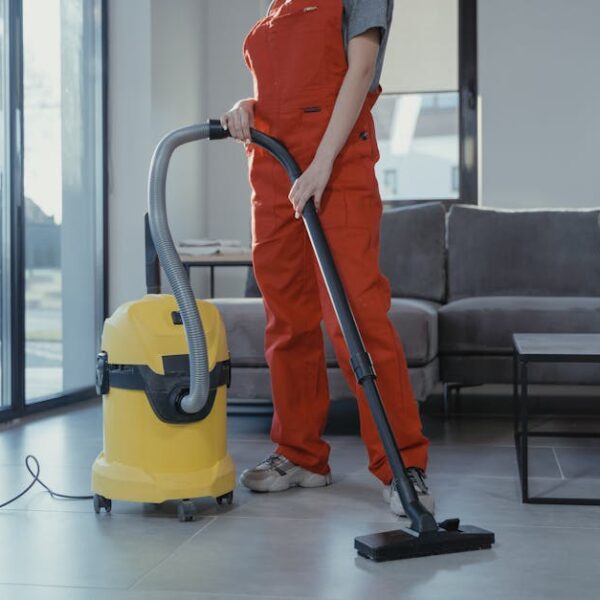
Primarily, a Shop-Vac is a versatile, high-powered vacuum traditionally found in industrial settings, workshops, and home garages. Offering double action as both a wet and dry vacuum, it can easily pick up sawdust, chunks of plaster, nails, water, and other debris that would damage regular vacuums.
While Shop-Vacs carry a reputation for their practicality and power, they are not immune to functionality problems. Users often complain about dust blowback– the device forcibly expelling dust into the air instead of collecting it in the tank – undermining its cleaning operations. Routine cleaning, filter replacement, and proper usage can help mitigate these issues.
–Common user complaints related to dust problems:
– Dust blowback while vacuuming
– Filter clogs rapidly
– Low suction power due to dust blockage
– Pro Tip: Regularly empty and clean the vacuum’s tank, and replace the filters timely to increase the device’s lifespan and improve its efficiency, reducing dust-related problems.
Identifying the Root Cause of Dust Emission
Before delving into solutions, pinpoint why your Shop-Vac blows out dust. It could be due to faulty filters, incorrect usage, a full container, or device malfunctions. Sometimes user mishandling contributes to dust blowback, which can be rectified with proper education on the device’s operation.
–Best Practices:
– Inspect the filter: Ensure it is in good condition and installed correctly.
– Check the dust bag: If your model comes with a bag, ensure it’s not overfilled.
– Consult a professional: In case of persistent issues, seek professional repair services.
–Pros and Cons of professional repair vs. DIY fixes
| h2 | Pros | Cons |
|---|---|---|
| Professional Repair | High-quality service | May be expensive |
| DIY Fixes | Cost-effective | Risk of improper handling |
You may choose to self-troubleshoot the issue or seek professional help depending on your skill level, time availability, and budget. However, do remember, an improperly handled repair can cause further damage costing you more in the long run.
Appropriate Usage of Shop-Vac Filters
One essential aspect of reducing dust blowback is using the right filter and maintaining it correctly. Dust expulsion can result from a malfunctioning filter or incorrect usage. Filters are designed to capture varying sizes of debris, empowering the vacuum to trap dust particles effectively. Using the wrong type of filter or not installing it properly can impede this function leading to dust blowback.
–Checklist: A step-by-step guide to installing and maintaining a Shop-Vac filter.
– Determine the type and size of the filter required for your Shop-Vac model
– Install the filter according to the user manual. Ensure it is securely fitted before use
– Regularly check and clean the filter. Depending on the level of usage, consider replacing it every 3-6 months.
– Pro Tip: Use filters designed specifically for fine dust if you frequently deal with sawdust or plaster – they will significantly reduce dust emission, enhancing your cleaning experience.
Cleaning and Maintenance to Prevent Dust Emissions
Shop-Vacs require regular cleaning and maintenance to function at their optimum level. Overlooking this crucial aspect can lead to dust blowback and other operational issues. It’s crucial to pay close attention to the tank, filter, and the hoses during these sessions, ensuring they are dust-free and intact.
–List: Comprehensive maintenance checklist for Shop-Vac.
– Empty and clean the tank after usage, especially once it’s full
– Inspect and clean the filter on a regular basis
– Check hoses for blockages and clean them rigorously
– Replace worn-out parts timely to prevent decreased suction power and dust blowback
–Best Practices: For effective cleaning, consider using a brush or another vacuum to clear off dust from parts like brushes or filters. Always perform routine maintenance when the machine is powered off and unplugged.
Advanced Methods to Reduce Dust Emissions from Shop-Vacs
Apart from the basic methods, there are also advanced techniques users can employ to mitigate dust blowback. Such measures are more complex and require certain skill levels but can enhance the device’s overall performance and longevity.
–Pro Tips: Implementing advanced modifications can include attaching a cyclone dust collector that separates large and small particles before they reach the main container, reducing the load on the filter. Another method is to customize an air-cleaner filter box outside the exhaust port to catch residual tiny dust particles.
–Comparison: DIY modifications vs. professional services – which is more beneficial?
| h2 | Pros | Cons |
|---|---|---|
| Professional Services | Includes warranty and assurance of a job well done | Can be costly |
| DIY Modifications | Can save you money if done correctly | Risk of improper modifications may damage the Shop-Vac |
Remember, whether you choose DIY modifications or professional services, the objective is to reduce dust emissions, enhance your Shop-Vac’s functionality, and prolonging its lifespan. It’s up to you to determine which solution is best suited to your particular needs and expertise.
Key Takeaway:
- Shop-Vacs are versatile, high-powered vacuum cleaners mostly used in industrial settings, workshops and home garages.
- Common issues include dust blowback, filter clogs, and low suction power due to dust blockage.
- Correct usage and regular maintenance of the vacuum’s filter, tank, and hoses play a pivotal role in preventing dust-emission problems.
- Identifying the root cause of Dust Emission is crucial to solving it effectively.
- In addition to basic methods, advanced techniques that enhance the device’s overall performance and longevity can be utilized for better dust control.
It’s completely normal to face some issues while using your Shop-Vac, but don’t fret, as they can be easily fixed with appropriate preventative measures and maintenance routines. Always remember, understanding the cause of the issue, adopting correct usage practices, and regular cleaning and maintenance can drastically reduce dust explosions and enhance your Shop-Vac’s performance.
FAQs
Q: What causes the Shop-Vac to blow out dust?
A: This could be due to a faulty or improperly installed filter, a full container, incorrect usage, or device malfunctions.
Q: How often should I clean my Shop-Vac?
A: Ideally, you should clean your Shop-Vac after each use to prevent dust and debris accumulation. But the frequency of deep cleaning primarily depends on your usage.
Q: What type of filter should I use for my Shop-Vac?
A: It heavily depends on the type of debris you are vacuuming. For sawdust or finer dirt, using a fine dust filter is recommended.
Q: Can I repair my Shop-Vac myself?
A: With basic knowledge about the device and some skill, you can handle minor issues. However, for persistent or complex problems, considering professional help is advisable.
Q: What kind of maintenance does a Shop-Vac require?
A: Regular maintenance includes emptying and cleaning the tank, checking and cleaning the filter, checking hoses for blockages, and replacing worn-out parts like brushes or filters timeously.
We hope this article provides valuable information in maintaining your Shop-Vac for optimal performance. Do share the article to benefit others and explore more posts on our site for other handy home and workshop tips.