A clean, fresh, and soft batch of laundry is a joy to behold. It’s a simple pleasure that requires just a bit of science to achieve – the balancing act involving laundry detergent and fabric softener. While it might be tempting to combine the two for convenience’s sake, the results can be counterproductive. The short answer: it’s not advisable to mix laundry detergent and fabric softener directly. This article will delve into the why and how of this laundry duo and offer actionable ways to enhance your laundry routine.
The Science Behind Laundry Detergent and Fabric Softener
Laundry detergent plays the heroic role of battling stubborn stains and removing dirt from your clothes. Its magic power comes from ingredients called surfactants, which are essentially surface-active agents. Accompanied by enzymes and bleaching agents, surfactants work in sync to break down dirt and drain it from your clothes.
On the other hand, fabric softener is the gentle giant in the laundry routine. It is crafted to protect the fibers of your garments, warding off static cling and making your clothes feel softer to the touch. Its primary active ingredient, quaternary ammonium compounds, helps it in softening and conditioning the fabrics. It also contains fragrances and colorants to inject that fresh and vibrant feel into your laundry.
Yet, when laundry detergent and fabric softener meet prematurely, there can be drawbacks. The surfactants in detergent can nullify the effects of fabric softener, reducing the benefits to your clothes.
Effects of Mixing Laundry Detergent and Fabric Softener
Introducing fabric softener and laundry detergent to each other too soon is much like pouring a hot cup of tea into a cold glass – in this case, your washing machine’s detergent drawer. The result isn’t pretty! Here’s what can happen:
- Diminished Washing Efficiency: Mixing the two can reduce the efficacy of both the cleaning power of your detergent and the softening ability of your fabric softener.
- Potential Damage to Washing Machine: Over time, the mixture can create a funky grime that might clog and damage the dispenser drawer.
It might appeal to the rule-benders among us, but mixing laundry detergent and fabric softener can actually make your laundry less clean and potentially shorten the lifespan of your washing machine.
When and How To Use Fabric Softener Effectively
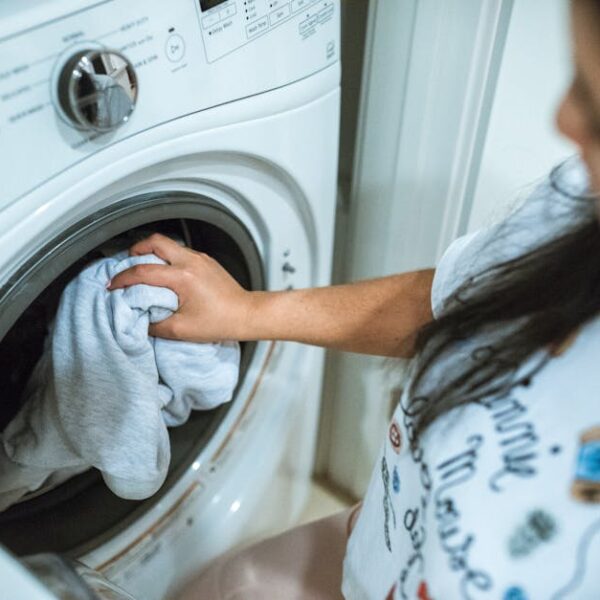
The solution? Timing is key. For optimal results, add your fabric softener during the final rinse cycle. Add it directly to the dispenser built for fabric softeners in your washing machine. Each washing machine type, whether it’s a top-load or front-load, has specific instructions for when and how to add fabric softeners.
Pro tip: Always adjust the amount of fabric softener based on your load size and fabric type. Remember, not all fabrics are friends with fabric softeners. Avoid using the softener on moisture-wicking sportswear and flame-resistant sleepwear since it may diminish the fabric’s special properties.
The bottom line: something as seemingly simple as laundry requires attention to details and timings. With some care, you can enjoy soft, clean, and vibrant clothes without causing any damage to your washing machine.
Alternatives to Mixing Detergent and Softener
Apart from the conventional laundry detergent and liquid fabric softener, several alternatives can equally provide cleanliness and freshness without the risk of mixing both prematurely. Here are some popular alternatives:
- 2-in-1 Detergent: A combo product that provides the cleaning power of the detergent and the softening touch of fabric softener in one formula.
- Dryer Sheets: These are paper-like materials coated with fabric softener and heat activated. Pop them in the dryer, and the heat will do the rest!
- Natural Substitutes: DIY enthusiasts can turn to vinegar or baking soda. Despite lacking artificial fragrance, they’re effective at cleaning your clothes and softening them too.
Let’s look at this comparison table for a clearer picture:
“`html
| Alternative | Strengths | Weaknesses |
|---|---|---|
| 2-in-1 Detergent | Convenient, eliminates the need for separate softener. | Not as effective as separate products. |
| Dryer Sheets | Easy to use, great at reducing static cling. | May not soften as effectively as liquid softener. |
| Natural Substitutes | Eco-friendly and cheap. | Lacks fragrance and might need extra rinse cycle. |
“`
Myths and Fallacies About Laundry Detergent and Fabric Softener
Let’s play the game of laundry mythbusters:
- More detergent means cleaner clothes. Not quite! Using too much detergent can leave residue on your clothes and harm your machine.
- Fabric softener can be used with all fabrics. Nope! As mentioned before, avoid fabric softener with certain fabrics like sportswear or flame-resistant fabrics.
Remember, understanding the real facts and busting these myths can go a long way in ensuring your laundry is efficiently cleaned and cared for. It all boils down to the right amounts, timings, and a little bit of laundry science!
Key Takeaway:
- Mixing laundry detergent and fabric softener prematurely can reduce the efficacy of both and potentially damage the washing machine.
- Properly timed addition of fabric softener can enhance the quality of your laundry without sacrificing the lifespan of your washing machine.
- Alternatives like 2-in-1 detergents or dryer sheets can provide both cleanliness and softness without the risk of premature mixing.
- Myths related to overuse of detergent and fabric softener on all types of fabric can sabotage the effectiveness of your laundry process.
Let’s not let laundry become a burdensome chore. With the right knowledge and tips, it can be a simple and satisfying routine. Don’t be afraid to experiment with alternatives and find the one that caters to your preferences. Practice smart laundry choices, and in turn, ensure longer-lasting clothes and a functioning washing machine. Remember, clean, fresh, and soft clothes are just a laundry cycle away.
FAQs
Q: Why can’t I add laundry detergent and fabric softener together at the start of a wash cycle?
A: Mixing them together prematurely can cause the surfactants in the detergent to counteract the softening agents in the fabric softener. This reduces the efficacy of both products and can even cause damage to your washing machine.
Q: Is a 2-in-1 detergent as effective as separate detergent and fabric softener products?
A: While a 2-in-1 can offer convenience, some users report that they might not be as effective as separate products. Ultimately, it boils down to personal preference and the types of clothes you need to launder.
Q: Can I use fabric softener with all types of fabric?
A: Not all fabrics are suited for fabric softeners. It is not recommended to use it on moisture-wicking sportswear or flame-resistant fabrics, as it can reduce these special properties.
Q: Is using too much detergent bad for my clothes?
A: Yes, using too much detergent can leave a residue on your clothes and can also damage your washing machine. Using the recommended amount of detergent helps extend the lifespan of your clothes and machine.
Q: Can I use natural substitutes with the same results as traditional detergent and softener?
A: Natural substitutes like vinegar or baking soda can be great alternatives. However, keep in mind that they might require an extra rinse cycle and may not provide the same fragrance as traditional products.
Feel free to share this article with others who might find it helpful and continue exploring our website for more insightful posts on household tips and advice.