
In today’s hustle and bustle, time-saving appliances like washing machines are an integral part of our daily lives. A special feature found in many modern washing machines, the pre-wash function, aims to effectively deal with stubborn dirt and stains. But what exactly is a pre-wash, and when should you use it? That’s what this article aims to clarify.
The Basic Mechanism of Pre-Wash
Pre-washing is a preliminary wash cycle carried out before the main wash. Its primary purpose is to tackle heavily stained or soiled clothes, removing the top layer of stubborn grime to facilitate a more effective main wash. This strategy is especially useful for clothing stained with the following:
- Mud and dirt
- Ingrained sweat
- Food or drink stains
- Oil stains
It’s important to remember that pre-washing isn’t required for every load; rather, reserve this function for clothes that’ve had a rough go or have particularly stubborn stains.
How to Utilize Pre-Wash in Different Washing Machine Models
The pre-wash option is conventionally found on the control panel of your washing machine. However, its location and how you select it can vary depending on factors like brand, model, and the type of washing machine. In the case of digital machines, you’ll often see an option for ‘pre-wash’ or ‘soak’ as part of the cycle options, while for analog machines you might need to manually set the wash timer for a brief soak before commencing the main wash.
The decision between top-load and front-load machines is mostly subjective, but each type has its benefits and potential drawbacks when using the pre-wash feature. For instance, top-load machines tend to use more water – a boon for pre-washing, but a potential downside for eco-conscious users.
Steps to Conducting a Successful Pre-Wash
Translating theory into practice, let’s break down the steps to carry out an efficient pre-wash.
- Start by sorting your laundry. Segregate heavily soiled or stained clothes from lightly dirtied ones.
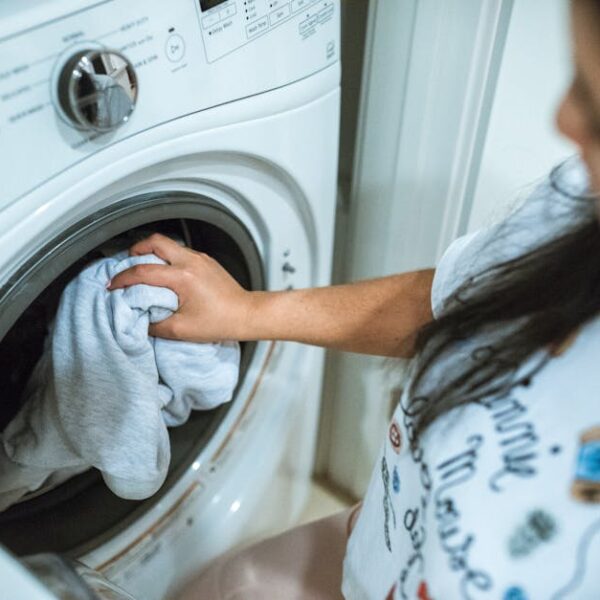
- Then, load the sorted clothes into the machine.
- Next, add an appropriate amount of detergent suitable for pre-washing.
- Look for the pre-wash or soak setting on your machine and activate it.
- Let the machine do its magic. Once the pre-wash cycle is done, the machine will typically move on to the main wash cycle automatically.
Remember, before commencing with the pre-washing, always check garment care labels for any specific washing instructions.
The Impact of Pre-Wash on Durability of Clothes
Pre-washing can be a godsend when it comes to preserving the longevity of your clothes, but it isn’t without its precautions. Certain fabrics are sensitive to aggressive washing cycles and might deteriorate faster with frequent pre-washing.
The trick is in understanding the nature of the stain and the type of fabric you’re dealing with. For instance, cotton clothing can typically withstand long, intense washing cycles but a delicate silk blouse should be handled more carefully.
Pros:
- Robust removal of hardened stains
- Enhanced efficiency of the main wash
- Longer lifespan for sturdy fabrics
Cons:
- Potential negative impact on delicate fabrics
- Extra wear and tear due to additional washing cycles.
Ensure to balance the benefits with potential drawbacks when deciding whether to use pre-washing.
Eco-Friendly Practices in Pre-Washing
Environmentally minded readers might be concerned about the potential for increased water and electricity usage during the pre-wash cycle. While it’s true that pre-washing adds an extra rinse to your laundry cycle, effectively increasing the water and energy consumption, these concerns can be mitigated by adopting some eco-friendly practices.
To start, limit the frequency of pre-washes to when it’s absolutely necessary – heavily stained or soiled clothes only. Secondly, consider using eco-friendly detergents that perform efficiently even in minimal quantities. Lastly, many washing machines come with ‘eco’ settings that use less water and energy, so look out for these options during your pre-wash.
Pro Tips for Eco-Friendly Pre-Washing
To make your pre-washing practices even more eco-friendly, try:
- Using cold water: It uses less energy than hot water.
- Utilizing full load: Wash full loads whenever possible to maximize water and energy efficiency.
- Keeping machines clean: Keeping your machine clean helps it to operate more efficiently.
- Monitoring consumption: Pay attention to your usage and aim to steadily decrease it where you can.
Through the knowledge gained in this article, you should now have an in-depth understanding of the pre-wash function in washing machines, including its purpose, benefits, and potential drawbacks. You’re also equipped with tips to make your pre-washing practices more eco-friendly. Time to get that laundry sparkling clean, the smart way!
Key Takeaway:
- Pre-wash is a preliminary wash cycle in washing machines designed to deal with heavily soiled clothes by tackling the top layer of stubborn grime before the main wash.
- The function ‘pre-wash’ can be utilized differently in various washing machine models like digital and analog ones.
- Pre-washing can enhance or impair the lifespan of the fabric depending on the type of fabric and the nature of the stain.
- Pre-washing also impacts the environment, contributing to water, and electricity usage. However, eco-friendly practices can help mitigate these concerns.
Try implementing the pre-wash function effectively if your clothes often encounter tough stains. Understanding how to utilize this feature optimally can not only clean your clothes better but also extend their lifespan. Moreover, by adopting eco-friendly practices, you can use this powerful feature without guilt.
FAQs
Q: Can I use a pre-wash function in all types of washing machines?
A: Yes, most modern washing machines offer a pre-wash function. However, based on the model and type of washing machine, the way to utilize this function can vary.
Q: Does pre-wash always enhance the lifespan of clothes?
A: It depends on the fabric type and the nature of the stain. While pre-wash can extend the life of sturdy fabrics, delicate fabrics may deteriorate faster.
Q: Can pre-wash function be dangerous for the environment?
A: Yes, the pre-wash function does use additional water and energy. Yet, by adopting eco-friendly practices, you can limit these environmental impacts.
Q: What type of detergent is suitable for pre-washing?
A: Select a detergent that’s made especially for pre-washing or one that’s effective in removing stubborn stains. Using eco-friendly detergent can also be a good choice.
Q: How often should I use the pre-wash function?
A: It’s recommended to use the pre-wash function for heavily stained or soiled clothes. It may not be necessary for every load.
Remember, understanding your appliance better is the key to efficient usage. Share this article with others to help them learn about the pre-wash function in washing machines and explore more posts on our website.