
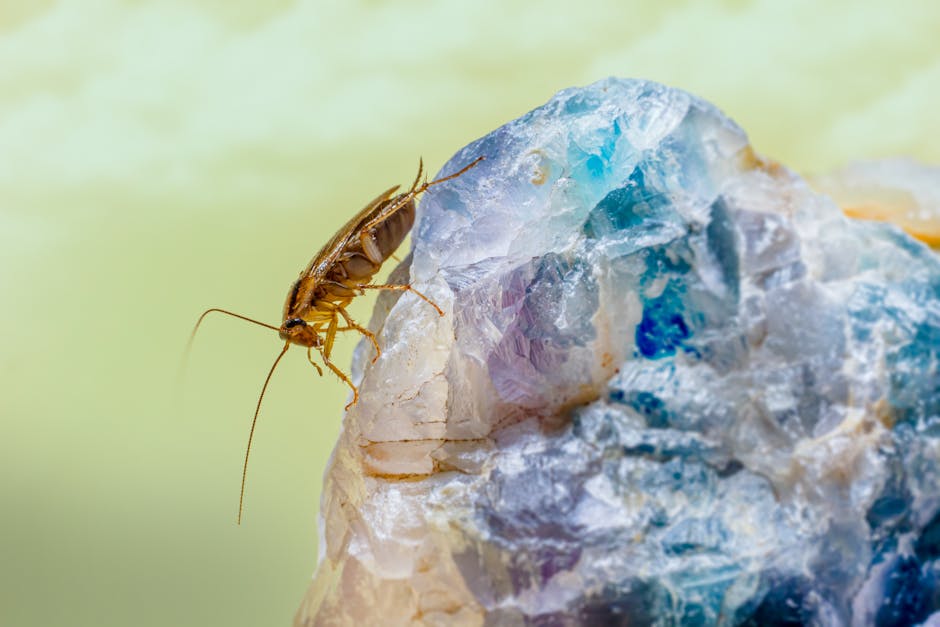
There’s no question that cockroaches are one of the most despised pests worldwide for a good reason. These adaptable creatures can infest homes and pose significant health risks, such as triggering allergies and causing food poisoning due to their propensity to nest in environments with dirt, bacteria, and other unsanitary conditions. Therefore, it’s crucial to tackle this problem head-on and ensure your home is a fortress against these unwelcome intruders. Let’s take a deep dive into how cockroaches behave, their preferred habitats, and effective preventive measures.
Understanding Roach Behaviors and Habitats
The key to preventing cockroach invasions begins with understanding their behaviors and habitats. Cockroaches are nocturnal creatures with an exceptional ability to adapt to a wide range of environments. Their preference for warm, dark, and moist areas leads them to dwell in kitchens, bathrooms, wall cracks, and other secluded locations.
Roach control is complicated by their rapid reproduction rate. A single female can produce numerous offspring during her lifetime, leading to substantial infestation growth in a short time. Therefore, early identification is paramount. Pay attention to signs like droppings, egg cases, and a strong oily or musty odor which indicate a roach infestation.
Pro Tip: Also look for smear marks and moulted skin as these are often overlooked signs of a roach presence.
Preventive Measures for Roach Infestations
- Maintain Clean Environments: Cockroaches love clutter, left-over food, and unclean spaces. Keep your kitchen, bathroom, and other areas of your home clean and devoid of roach-friendly elements.
- Eliminate Food and Water Sources: Roaches can survive months without food but only a week without water. So, focus on eliminating any potential water sources, including leaking pipes, standing water, or daily pet dishes.
- Seal Potential Entrance Points: Regularly inspect your surroundings for cracks, holes, and other potential entrances that roaches can exploit.
✔️ Checklist: Steps to Secure Your Home
- Regularly clean the house and get rid of clutter
- Store food in sealed containers
- Fix leaking pipes and mop up standing water
- Seal cracks, holes, and other potential entrances
To incorporate these preventive measures into your daily routine, consider the following Best Practices:
- Regularly inspect your home, especially the kitchen and bathroom, for any signs of roaches.
- Always clean up food crumbs and liquid spills immediately.
- Ensure your garbage is in sealed containers and dispose of it regularly.
Implementing these effective preventive tactics will help you fend off these pesky intruders, keeping your home cockroach-free.
Common Roach Species and Their Specific Control Methods
There are numerous cockroach species worldwide with distinct characteristics that necessitate unique control methods. Here are a few common ones:
- German Cockroach: These are small, light brown roaches that prefer warm and damp environments like kitchens and bathrooms. The most effective way to eliminate these pests is through insecticide baits and traps.
- American Cockroach: These are larger and reddish-brown, often found in basements, sewers, or near garbage. Exclusion methods such as sealing potential entrance points work best for these roaches.
- Asian Cockroach: Looks very similar to the German roach but is attracted to light and can fly. They are a little trickier to control; hence professional pest control may be best.
Comparison: Pros and Cons of Various Control Methods
| Control Method | Pros | Cons |
|---|---|---|
| Insecticide Baits and Traps | Targeted and effective treatment, safe for use in most areas. | May not completely eliminate infestation, Requires follow-up treatment. |
| Sealing Entrances/Exclusion | Prevents future infestations, cost-effective. | Requires time to find all potential entrances, doesn’t address existing roaches. |
| Professional Pest Control | Effective and comprehensive treatment, professional expertise. | Can be expensive, scheduling issues may arise. |
Natural Roach Deterrents and Their Effectiveness
Natural deterrents can serve as a suitable option if you prefer fewer chemicals. Herbs like bay leaves, catnip, and mint are known to repel roaches. Furthermore, substances like Boric Acid and Diatomaceous Earth are effective at controlling roach populations.
Pro Tip: These natural substances can be mixed with flour and sugar to create a homemade roach bait.
| Road Deterrents | Natural | Chemical |
|---|---|---|
| Effectiveness | Can be effective, but may require more time to see results | Typically achieve faster results |
| Safety | Usually safe around pets and children | May pose risks if not used correctly |
| Cost | Typically less expensive | Can be costly depending on the product or service |
When to Seek Professional Pest Control Services
Sometimes, a roach infestation may be too severe to handle alone. This is when professional pest control services come into play. If you notice a large number of roaches, continual signs of infestation despite your efforts, roaches during the day, or roaches in a variety of areas you normally wouldn’t see them, it is time to seek professional help.
Working with a professional service ensures the roach problem is thoroughly addressed with expert knowledge.
List: Questions to Ask Pest Control Services
- What methods do you use to treat roaches and are they safe for my family and pets?
- Do you offer any guarantees for your services?
- What is your approach to preventing future infestations?
- Can you provide references from previous clients?
Cockroaches, while resilient, can be controlled and even prevented with the right tactics. Understanding their behaviours, practising preventive measures, utilising the right treatments, and knowing when to call in professionals can allow you to live comfortably in a roach-free home.
Key Takeaway:
- Understanding cockroach behaviors and habitats is pivotal in preventing infestations.
- Maintaining a clean environment, eliminating food and water sources, and sealing probable entry points can substantially reduce the risk of roach infestations.
- Identification of specific cockroach species can assist in applying targeted and effective control methods.
- Natural deterrents offer a safer, yet relatively effective alternative to chemical control methods.
- Recognizing signs of severe infestations and seeking professional pest control services can provide a comprehensive and lasting solution.
As unsettling as roach infestations can be, it’s reassuring to know that with a clear understanding of their behaviour, habitats and the right preventive measures, you can keep your home roach-free. Stay vigilant, maintain cleanliness and don’t hesitate to seek professional help when needed. Stay roach-free and live comfortably.
FAQs
Q: What attracts roaches into my home?
A: Roaches are commonly attracted by easy access to food, water, and shelter. This includes poor sanitation, leaks, and cracks or holes in walls and floors.
Q: Are certain roach species more common in particular environments?
A: Yes, different roach species prefer various environments. For example, German cockroaches prefer warm and damp places like kitchens, while American cockroaches are likely to dwell in basements, sewers, or near garbage.
Q: Can natural roach deterrents completely eradicate an infestation?
A: While natural deterrents can help control roaches, they might not completely eradicate a severe infestation. In such scenarios, professional pest control services may be necessary.
Q: How do I tell the difference between various species of roaches?
A: You can identify roach species based on their size, color, and behavior. For instance, German roaches are small and light brown, while American roaches are larger and reddish-brown.
Q: Are there any risks in using DIY roach control methods?
A: While DIY methods can be cost-effective, some may not be as effective as professional pest control treatments, and others might pose health risks if not carefully managed. Always ensure to understand and follow instructions while using any DIY roach controls.
We invite you to share this article and explore more insights on our website.