Imagine the excitement of curling up in your favorite blanket only to realize you’re wearing a fresh layer of dog hair. Sound familiar? Don’t worry: there are effective ways to remove dog hair from your beloved blankets. This helpful guide will walk you through understanding the dynamics of dog hair, optimal grooming for your pet, and various means to effectively rid your blanket of unwanted fur.
Understanding Dog Hair and Blanket Types
When it comes to removing dog hair, knowing the type of fur your canine cohort carries and the material of your blanket can supercharge your cleaning strategy. Dog hair varies in structure across breeds. Short, medium, long, wiry, curly, or double-coated hair types each have their own characteristics, and understanding these will help you choose the right removal method. Similarly, the material of your blanket (wool, cotton, fleece, or synthetic) must be considered to avoid blanket damage during the cleaning process.
Let’s break this down:
- **Short Haired Dogs:** Their hair tends to stick to fabric easily yet can be quickly removed.
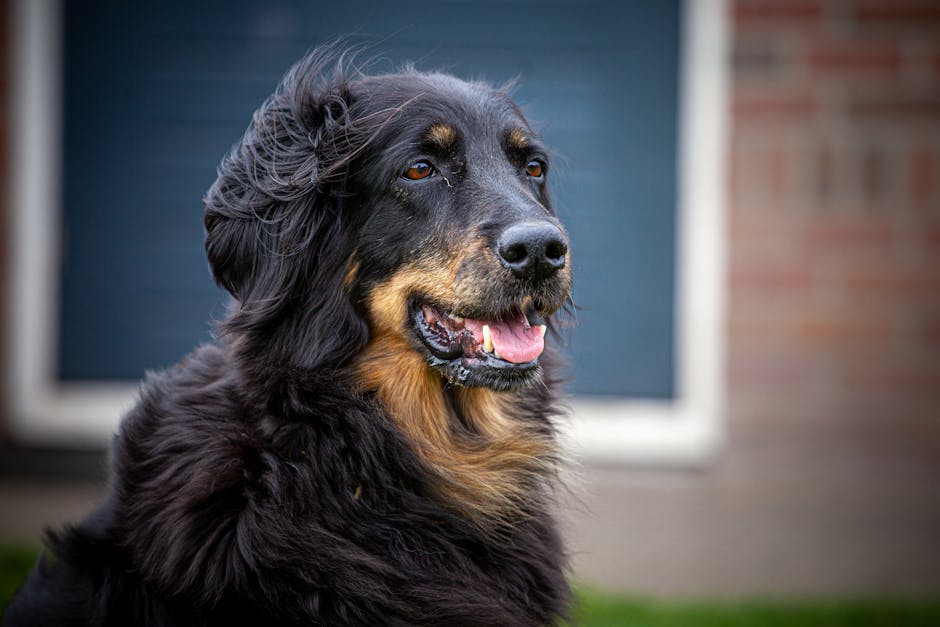
- **Medium to Long Haired Dogs:** Hair from these dogs is more likely to embed itself into the fabric weave, presenting a challenge to remove.
- **Double-coated and Wiry Haired Dogs:** These types can shed in clumps or individually, with wiry hair often proving difficult to remove.
And for blankets:
- **Wool and Fleece Blankets:** These materials are magnets for dog hair due to their static electricity, but careful washing can remove the fur.
- **Cotton and Synthetic Blankets:** These types typically trap less hair due to their smoother texture, making them easier to clean.
Why Grooming Your Pooch Regularly Matters
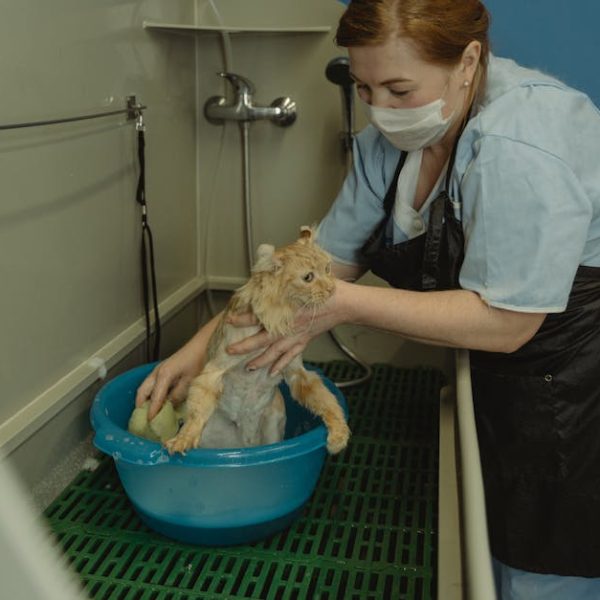
Proactive pet parents understand the importance of proper grooming. Regular grooming rituals, such as bathing and brushing, are crucial to reduce the amount of hair our doggy friends shed. Grooming not only ensures your pet’s well-being but also maintains the cleanliness of your home.
Pro Tip: Tailor your grooming method to your dog’s hair type. For instance, short-haired dogs may require less rigorous grooming than their long-haired counterparts. Most importantly, make grooming a positive, relaxed experience for your canine buddy.
Relying on Manual Methods to De-fur Your Blankets
Sometimes, the simplest approaches can be surprisingly effective. Shaking the blanket outside, using a damp sponge, or employing lint rollers and rubber gloves are all handy, manual methods for hair removal. More stubborn hairs may be loosened with fabric softener.
**Step-by-step Manual Cleaning:**
- Shake the blanket outside vigorously to remove loose hairs.
- Use rubber gloves or a lint roller to collect embedded hair.
- If needed, dampen a sponge or cloth and wipe across the blanket in one direction to gather remaining hair.
- For stubborn hair, soak the blanket in fabric softener before washing to help loosen hair.
Stay tuned for machine-assisted techniques and selection guidance for dog-hair resistant blankets and home materials.
Machine Assisted Techniques: Amp up Your Cleaning Game
Using appliances can save time and energy while maintaining a dog hair-free space. From washing machines and dryers to vacuum cleaners, these aides can be highly effective in removing dog hair from blankets. However, remember to check your blanket’s care label before applying any method to avoid damaging the fabric.
Let’s evaluate the effectiveness of these machine-assisted methods:
| Appliance | Effectiveness |
|---|---|
| Washing Machine | Very effective for removing embedded hair, especially in combination with other methods. Use a full washing cycle with cold water for optimal results. |
| Dryer | Highly effective in removing loose hair. Dryer sheets can reduce static and loosen even more hair. |
| Vacuum Cleaner | Effective for weekly maintenance and removing hair from larger items. |
Pro Tip: To enhance your cleaning regimen, use dryer sheets. Not only do they impart a fresh fragrance, but their antistatic properties will help loosen stubborn dog hair for easy removal.
Choosing Dog-Hair Resistant Blankets to Stay One Step Ahead
Your choice of fabric can greatly influence the amount of dog hair your blanket accumulates. Opting for materials and textures that naturally repel dog hair or make cleanup easier can save you cleaning time. However, keep in mind that dog-hair resistant doesn’t necessarily mean zero hair.
Let’s review some top dog-hair resistant fabrics:
- **Microfiber:** Known for its resistance to dog hair and easy cleaning.
- **Leather and Faux Leather:** While not suitable for blankets, these materials are considered resistant to dog hair and can be a great choice for furniture.
- **Silk or Satin:** Dog hair doesn’t stick well to these slick textiles, but they might not be the most practical choices for a pet-friendly home.
- **Canvas, Denim, or Twill:** These tightly woven fabrics can be good at preventing dog hair from embedding.
Overall, accomplishment in keeping your home free of dog hair doesn’t entirely depend on the blanket type, your dog’s fur, or even your grooming technique. Instead, it relies on consistent effort and the right balance of all these factors. By understanding your dog’s hair type and blanket materials, keeping up with regular grooming, using both manual and machine-assisted removal techniques, and choosing dog hair-resistant materials where possible, you can successfully manage unwanted dog hair in your home.
Key Takeaway:
- The structure of a dog’s hair along with the type of blanket material affects the effectiveness of hair removal strategies.
- Regular grooming reduces the amount of dog hair shed onto blankets and ensures the well-being of the dog.
- Manual methods like shaking the blankets, use of lint rollers, and fabric softeners can effectively remove dog hair.
- Machine assisted techniques like washing machines, dryers, and vacuum cleaners are also effective in removing dog hair. Remember to check care labels for each blanket before applying any method.
- Choosing materials that naturally repel dog hair or make it easier to clean can mitigate the dog hair problem.
While dog hair on blankets can seem overwhelming, the right techniques and understanding can greatly simplify the task. Regular grooming of your dog, combined with both manual and machine-assisted hair removal techniques, can keep your blankets virtually dog hair-free. Moreover, choosing dog hair-resistant materials can also make a big difference in keeping your home cleaner and looking great.
FAQs
Q: What are some grooming tips for dogs with double coats?
A: Double-coated dogs often require regular grooming, ideally brushing daily, to reduce shedding. Use a grooming brush designed for double-coated breeds to reach both the top coat and undercoat effectively.
Q: Can all blankets go into the washing machine for dog hair removal?
A: No, it’s always best to check the care label of a blanket before washing it. Some materials may not be machine safe and need to be hand washed or cleaned using other methods.
Q: How often should I groom my short-haired dog to reduce shedding?
A: While short-haired dogs tend to shed less than long-haired breeds, they still benefit from regular grooming. Brushing once or twice a week should be sufficient for most short-haired dogs.
Q: Are there any other household items apart from blankets that can trap dog hair?
A: Yes, dog hair can get trapped in various household items such as rugs, sofas, cushions, and car seats. Different methods can be used to clean these items based on their material and usage.
Q: Is bathing my dog more frequently a good way to reduce dog hair on blankets?
A: While bathing does help in shedding old hair, over-bathing might dry out your dog’s skin, leading to more shedding. It’s best to consult a vet about the optimum frequency of baths for different dog breeds.
Feel free to share this article with fellow pet parents and explore more pet management posts on our website.