Pimples. Zits. Spots. Regardless of what you call them, we’ve all dealt with these unwelcome skin blemishes at one time or another. Unpredictable and often unsightly, they seem to have an uncanny knack for appearing just when we want to look our best. But don’t despair. Armed with the right knowledge and effective treatments, you can combat these pesky blemishes speedily and safely.
Understanding Pimples: Causes and Prevention
Pimples are caused by clogged pores in your skin. Excess sebum (oil), dead skin cells, and bacteria can accumulate in these pores, leading to inflammation and redness – what we recognize as pimples or acne.
Variables such as hormonal changes, stress, diet, and even certain medications can exacerbate this skin condition. High levels of androgens (hormones), for example, can trigger an increase in sebum production, escalating the likelihood of pimples. Moreover, a diet rich in refined carbohydrates may promote skin inflammation.
To prevent pimples:
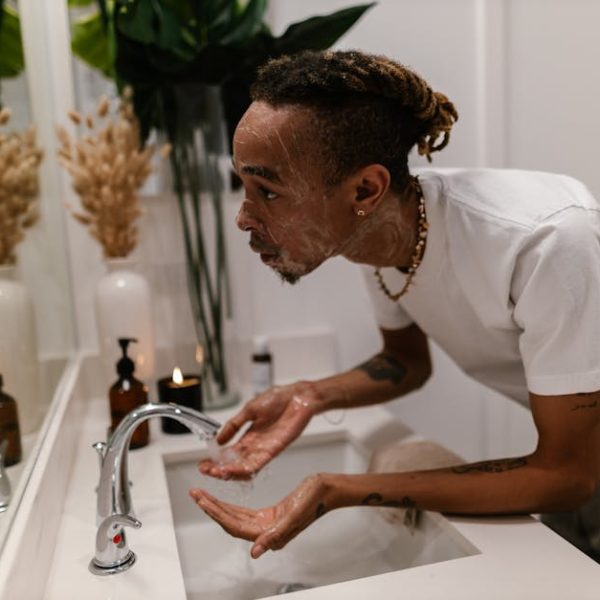
- Maintain a good skincare regime: Consistently cleanse and exfoliate to remove excess oil, dead skin cells, and other potential pore-clogging particulates.
- Be mindful of the products you use: Opt for ‘non-comedogenic’ products that won’t clog your pores.
- Adopt a healthy lifestyle: Manage stress, get adequate sleep, eat a balanced diet, and stay hydrated.
Avoiding the Pimple Popping Temptation
While it can be incredibly tempting to squeeze a pimple at the first sign, this is a practice best avoided. Popping may cause scarring, skin infections, or further inflammation – effectively, it can make things worse.
To manage the urge to pop:
- Develop a skincare routine that manages the life cycle of a pimple.
- Apply a hot compress to help reduce inflammation and speed up the pimple’s natural healing process.
- Use hydrocolloid patches to encourage healing and resist the temptation to pick at it.
Remember, popping pimples can lead to extended healing time, increased infection risk, post-inflammatory hyperpigmentation or even permanent scarring. It’s simply not worth the risk.
Over-the-Counter Treatments for Pimples
Over-the-counter (OTC) treatments for pimples have widely varied ingredients, depending on their intended function. Benzoyl peroxide (kills bacteria and reduces inflammation), salicylic acid (helps unclog pores), and retinoids (helps prevent pore clogging) are common agents found in many OTC acne treatments.
Popular and reliable OTC brands include Neutrogena, Clean & Clear, Differin, and Clearasil. It’s vital to remember everyone’s skin reacts differently – what works for one person may not work for another.
HTML Table needed
| Product | Pro | Con |
|---|
| — | — | — |
|---|
| Neutrogena On-the-Spot Acne Treatment | Lightweight and great for sensitive skin | Some users report dryness |
|---|
| Clean & Clear Advantage Acne Spot Treatment | Fast-acting, reduces redness quickly | Some users report slight stinging sensation |
|---|
| Differin Gel | Prevents and treats pimples, non-comedogenic | Initial skin purging, UV sensitivity |
|---|
| Clearasil Ultra ExtraStrength Acne Treatment Cream | Fast-acting, strong acne-fighting ingredients | May be irritating for some skin types, can bleach clothing |
|---|
It’s crucial to patch test any new products and implement them gradually into your skincare routine to gauge your skin’s reaction.
Natural Homemade Remedies for Pimples
While it’s true that severe acne might require a more robust treatment approach, there are natural remedies you can try at home which can be effective for mild breakouts. Notable natural pimple-fighting ingredients include tea tree oil, apple cider vinegar, and honey.
If you’re feeling crafty, try these home-brewed treatments:
- Tea tree oil: One part tea tree oil mixed with nine parts water. Apply it directly on the pimple with a cotton pad.
- Apple cider vinegar: A mixture of one part apple cider vinegar and three parts water. Apply to the blemish and leave on for 15-20 seconds before rinsing off.
- Honey mask: Apply raw honey directly to the affected area. Let it sit for 15-20 minutes before washing it off with warm water.
HTML Table needed
| Remedy | Pro | Con |
|---|
| — | — | — |
|---|
| Tea Tree Oil | High anti-inflammatory and antimicrobial properties | Can cause skin irritation and dryness if not diluted |
|---|
| Apple Cider Vinegar | Rich in acetic acid which has anti-bacterial and keratolytic properties | Can be too drying or irritated if not diluted |
|---|
| Honey Mask | Natural antibacterial and soothing properties | Can be sticky, not ideal for large areas |
|---|
Natural remedies take time and patience – don’t expect overnight miracles. And remember, some of these remedies could potentially irritate your skin, so always do a patch test first.
Consulting a Dermatologist for Stubborn Pimples
While most pimples can be managed at home, sometimes professional help becomes necessary, particularly for persistent or severe acne conditions. If your acne has been persistent for over six weeks, doesn’t improve with OTC treatments, or causes you emotional distress or physical discomfort, it’s time to consult a dermatologist.
To get the most out of your dermatological appointment:
- Document your acne: Take notes about when your acne flares up, what treatments you’ve tried, and any changes to your diet or lifestyle.
- Ask questions: Don’t hesitate to ask about any concerns you have related to your skin health.
- Follow through with treatments prescribed: Ensure to use prescribed treatments as directed by your dermatologist.
A dermatologist may recommend various treatment plans depending on your acne’s severity, including prescription creams/gels, oral medications, chemical peels, or even laser and light therapy.
Remember, everyone’s skin is unique, and so is their journey with acne. Don’t get too disheartened if something doesn’t work immediately, and always keep an open mind when it comes to trying different approaches. Armed with the right knowledge and patience, clearer skin is definitely attainable!
Key Takeaway:
- Pimples are primarily caused by clogged pores due to excess oil, dead skin cells, and bacteria.
- To prevent pimples, maintain good hygiene, use non-comedogenic products, and lead a healthy lifestyle.
- Popping pimples can cause scarring, extended healing time, and increased risk of infection.
- Over-the-counter treatments, such as benzoyl peroxide, salicylic acid, and retinoids, can effectively treat pimples.
- Natural remedies like tea tree oil, apple cider vinegar, and honey can be used to treat mild breakouts.
- Consult a dermatologist for persistent or severe acne conditions.
Remember, patience and consistency in maintaining a healthy skin regimen will yield positive results over time. Do not despair if solutions do not work immediately. Your skin is unique and responds differently. Keep exploring to find what works best for your skin.
FAQs
Q: How long should I use over-the-counter treatments before I can see results?
A: The time it takes to see results may vary depending on the severity and type of acne, your skin type, and the specific product you’re using. Generally, it could take anywhere from a few weeks to a couple of months. Always follow the instructions on the product packaging.
Q: Can lifestyle changes really help in preventing pimples?
A: Yes, lifestyle changes can certainly contribute to improvements in your skin health. Regular exercise, a balanced diet, proper hydration, and adequate sleep can all enhance your overall health and, in turn, your skin.
Q: Do natural remedies work for all skin types?
A: Not necessarily. While natural remedies can be effective, their success can depend on your specific skin type and the severity of acne. Remember to always do a patch test before applying a new product to your entire face.
Q: Is it necessary to consult a dermatologist if I have a few stubborn pimples?
A: If your pimples are persistent, cause distress or pain, or do not respond to over-the-counter treatments, it’s advisable to consult a dermatologist. They could provide more specialized treatment for your specific skin condition.
Q: Can I use multiple over-the-counter treatments at once?
A: It’s advisable to use one product at a time to see how your skin reacts before introducing another treatment. Using multiple treatments simultaneously might cause skin irritation or dryness. Consult a dermatologist if you’re unsure.
Consider sharing this informative article with others who might benefit from it and explore our other posts for additional skincare advice.