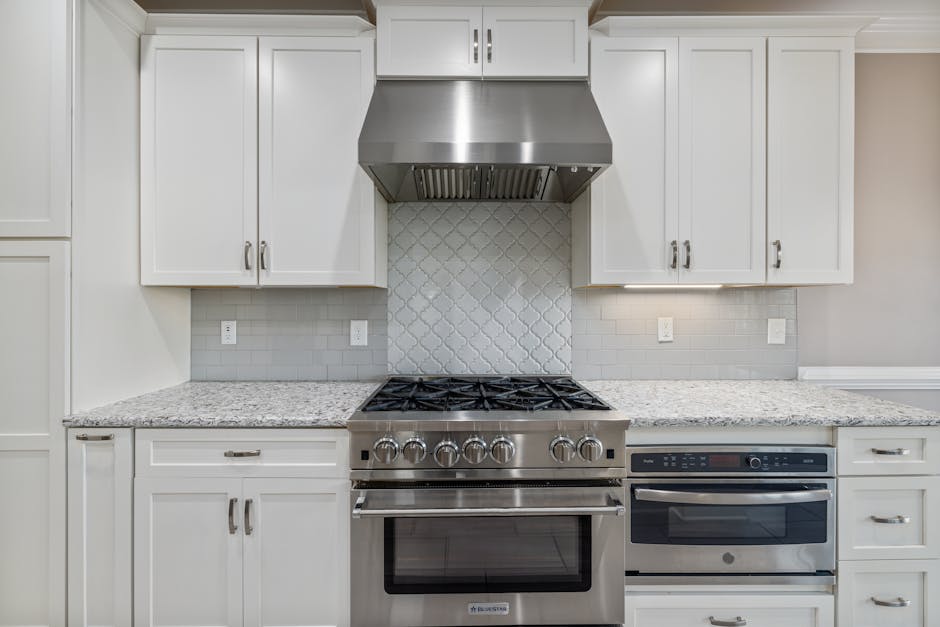
Granite countertops are a favourite for a host of reasons: they’re robust, they’re beautiful, and they can significantly spruce up the aesthetics of any kitchen. However, to keep them in their prime condition, you’ll need to reseal them from time to time – a task that may sound complicated but, with the right guidance, can be surprisingly simple.
Let’s dive into the fundamentals of granite countertop resealing. Be aware that, though durable, granite can become porous over time, which makes it susceptible to staining and other forms of wear. Consequently, to protect your granite countertops and maintain their aesthetic appeal, they need periodic resealing. Identifying when your countertops require resealing is usually easy – if water no longer forms beads on the surface or if stains appear more frequently, it might be time. The lifespan of a professionally applied sealant is around 2-5 years, but this can vary depending on the use and maintenance of the countertops.
As you prepare to embark on the resealing process, you’ll need to gather the appropriate materials, including a good granite sealer, clean cloths, stone cleaner, and a soft-bristle brush. Selecting the right granite sealer is essential. This choice largely depends on the type of granite you have – lighter-colored granites might need a high-quality impregnating sealer, while darker ones could do well with a topical sealer. Understanding these nuances can greatly enhance the effectiveness of your resealing job.
Preparation and Application – The nuances
But before you slather your counter in sealer, you need to properly prep it. Thorough cleaning and drying are key to ensuring the sealer adheres correctly and provides the protection your countertops need. Best practices here include using a mild, non-acidic soap and warm water, followed by a stone cleaner. It’s also crucial to remember that under no circumstances should you use potent chemicals or abrasive scrubbing tools during this preparation phase.
Once you’ve adequately prepared your countertops, it’s time to apply the sealer. Here, an essential pro tip – less is more. Begin with a thin layer and ensure you coat every inch of the granite with your brush or cloth applicator. Depending on the type of sealer and the condition of your granite, you might need to apply multiple layers. However, patience is key as each layer needs a good amount of time to dry fully before you can apply the next one. Even after the final coat, you should wait about 24 hours before putting your countertops to use again.
Post-Resealing – Ensuring Longevity
After all your hard work, you want the results to last. There are ways you can optimize the lifespan of the new seal: wipe spills immediately, clean regularly using a granite cleaner, avoid placing hot items directly on the surface, and more. Signs that you might need to repeat the resealing process include the return of the staining or water failing to bead on the surface.
Resealing is an essential part of granite countertop maintenance but it doesn’t have to be a daunting task. With the right approach and careful execution, you can ensure your granite countertops remain as stunningly beautiful as the day they were installed.
Understanding the Basics of Granite Countertop Resealing
The first step towards successfully resealing your granite countertops is understanding why this task is necessary. Granite countertops are crafted from natural, porous stone. Over time, even when properly cared for, these countertops may lose their original seal. This makes them more susceptible to water seepage and stains, which can cause significant long-term damage.
Signs that your countertops may require resealing include water not beading on the surface and stains appearing more frequently than normal.
The frequency with which your granite countertops need to be resealed largely depends on use and maintenance. Generally speaking, a granite countertop that has been professionally sealed can retain its seal for anywhere from two to five years.
The Materials and Equipment for Resealing Granite Countertops
To successfully reseal your granite countertops, you’ll need specific materials. These include a high-quality granite sealer, clean cloths (microfiber is an excellent choice due to its low lint), a soft-bristle brush, and a stone cleaner specifically designed for granite.
Choosing the right granite sealer depends on the colour and condition of your countertops. For lighter granite, you might consider an impregnating sealer, which penetrates below the surface to provide protection. Darker stones, on the other hand, can benefit from a topical sealer, which offers a protective layer on top of the stone.
Preparing Your Granite Countertops for Resealing
The preparation process is crucial for the longevity of the new sealer. For best results, clean the surfaces thoroughly with a gentle stone cleaner and a non-abrasive cloth or soft-bristle brush.
Pro tip :
Avoid using acidic or high-PH substances like vinegar or lemon juice – these can etch the granite and damage the new sealer. Also, avoid harsh scrubbing tools that can scratch the countertop.
Applying the Sealer on Your Granite Countertop
Applying the sealer correctly is crucial for its effectiveness. Start by applying a thin layer of the sealer across the entire surface, using a clean cloth or your soft-bristle brush. Depending on the specifics of your countertop and sealer, you might need to apply multiple layers for maximum protection.
Pro tip :
Patience is key during this process. Ensure each layer is completely dry before applying the next one, and wait at least 24 hours after the final layer before using the countertop.
Maintaining Your Resealed Granite Countertops
After you’ve successfully applied the sealer, the focus is on maintenance. Preservation techniques include promptly wiping spills, frequently cleaning the countertops with a proper granite cleaner, and avoiding placing hot items directly on the surface.
Signs that you may need another round of resealing include frequent stains or water not beading on the surface.
In conclusion, while granite countertops are sturdy and aesthetically pleasing, they require proper care to maintain their appeal. Resealing your granite countertops may seem like a daunting task, but with the right materials, preparation, and technique, it’s a straightforward process that you can undertake to prolong the life of your investment. With this guide, you’re one step closer to preserving the beauty of your granite countertops.
Key Takeaway:
- Granite countertops, while sturdy and beautiful, become porous over time, making them vulnerable to stains and necessitating periodic resealing.
- Signs for resealing include water not beading on the surface or more frequent staining. Typically, professionally applied sealant lasts from 2-5 years, subject to usage and maintenance.
- The correct materials are essential for resealing, including a good granite sealer, clean cloths, stone cleaner, and a soft-bristle brush.
- Thorough cleaning and drying prior to applying the sealer ensure effective adhesion and protection.
- The appropriate application of sealer involves covering every inch of the granite with thin layers, possibly requiring multiple applications based on the sealer type and granite’s condition.
- Proper maintenance post-resealing, such as wiping spills immediately, cleaning regularly with granite cleaner, and abstaining from placing hot items directly on the surface, can enhance the new seal’s lifespan.
FAQs
Q: Can I use any type of sealer for my granite countertop?
A: No, selecting a sealer should be based on the type of your granite countertop. For lighter-colored granites, a high-quality impregnating sealer is recommended, while darker ones might need a topical sealer.
Q: Can I use regular soap for cleaning the countertop before resealing?
A: It’s best to use a mild, non-acidic soap along with warm water, followed by a stone cleaner for cleaning purposes.
Q: Can I start using my countertop immediately after applying the final coat of sealer?
A: No, you should wait for about 24 hours after applying the final coat before using the countertop again.
Q: How can I extend the life of the new seal on my granite countertop?
A: Regular cleaning using a granite cleaner, immediately wiping off spills, and avoiding placing hot items directly on the countertop can help extend the seal’s life.
Q: How often should granite countertops be resealed?
A: Generally, granite countertops need to be resealed every 2-5 years, depending on the usage and maintenance.
Resealing your granite countertop might appear to be a complex task, but with proper knowledge, the right materials, and careful execution, you can easily do this work. It’s an essential step in maintaining and extending the lifespan of your sturdy, beautiful granite countertop. Don’t forget to share this valuable guide and explore more useful posts on our website.