While it may be instinctive to grab a vacuum cleaner to get rid of rat and mouse droppings in the home, this cleaning method isn’t safe. Vacuuming these droppings could potentially lead to a handful of health complications if the dust from the droppings is inhaled. This article explores the dangers associated with vacuuming rat and mouse droppings and provides safer alternatives for cleaning and preventing rodent infestations.
Understanding the Hazards of Rat and Mouse Droppings
Rat and mouse droppings should not be taken lightly. Beyond merely being unpleasant, they carry the potential threat of disease transmission. When these droppings dry out, they produce dust, which when inhaled, could inadvertently allow pathogens to enter your body, potentially causing significant health complications.
Key diseases that you could contract from rat and mouse droppings include:
- Hantavirus: This respiratory disease, found primarily in the urine and feces of rodents, can be fatal when transmitted to humans.
- Salmonellosis: Caused by bacteria, this disease could potentially lead to food poisoning when food items come in contact with infected rat or mouse droppings.
Pro tip: Always ensure you’re wearing appropriate protective gear, such as masks and gloves, when you’re in close proximity to rat or mouse droppings. It only takes a tiny, almost undetectable amount of dust inhalation to potentially contract these diseases.
The Problem with Vacuuming Rodent Droppings
Ordinarily, using a vacuum cleaner to collect dust and small debris might seem like a quick and efficient cleaning solution. However, using this method to clean up rodent droppings is highly discouraged. Here’s why:
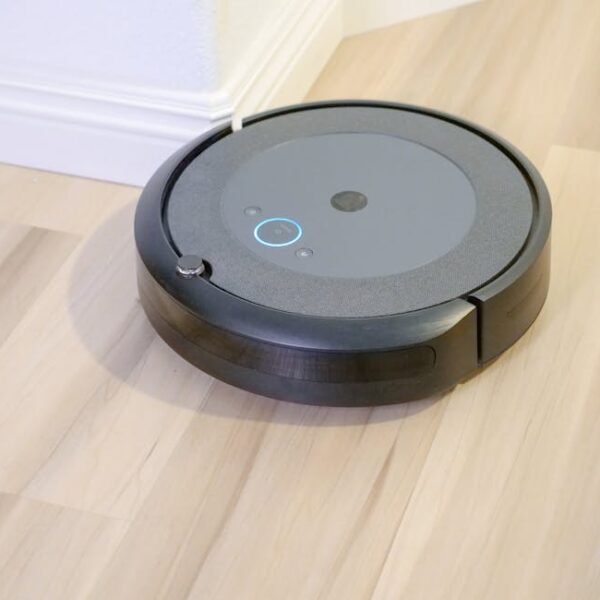
The activity of vacuuming inevitably whips up dust from the droppings, causing it to become airborne. As a result, there’s a heightened risk of inhaling this dust and thereby increasing the potential for disease transmission.
Additional Content:
- Refrain from handling droppings directly, and avoid dry sweeping which could stir up potentially harmful dust into the air.
- Do not rely on vacuuming alone to thoroughly remove rodent droppings from your home.
The table below presents a comparison of different cleaning methods and their associated pros and cons:
| Methods | Pros | Cons |
|---|---|---|
| Vacuuming | Quick, simple, requires minimal physical effort | Increases risk of airborne disease transmission |
| Sweeping | Handles larger amounts of droppings, requires common household tools | May still result in some airborne dust, potentially causing health risks |
| Damp Mopping | Helps prevent dust from becoming airborne, more thorough cleaning | More time and effort required, may not be applicable to all surfaces |
Safer Alternatives to Remove Rat and Mouse Droppings
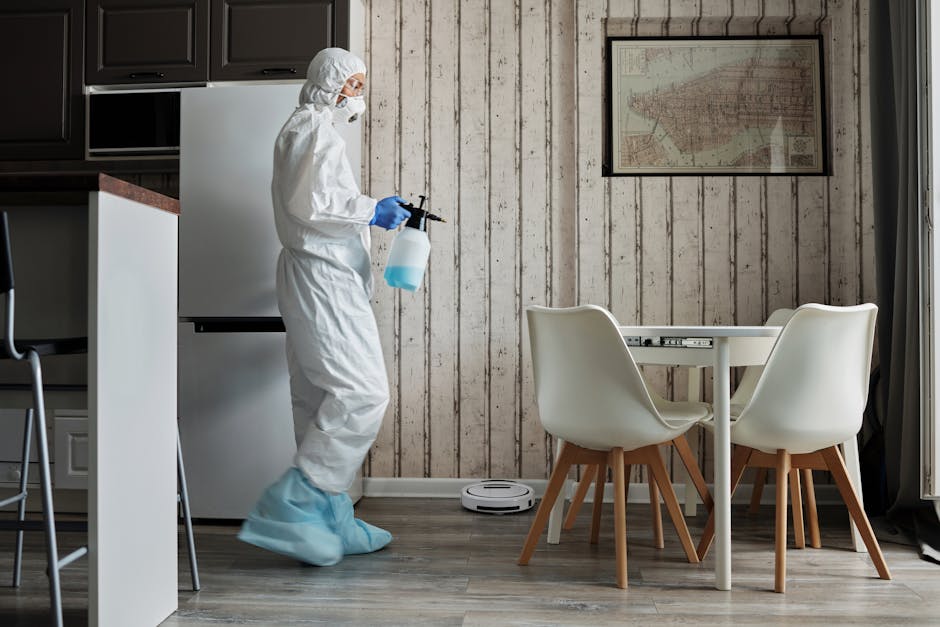
Damp mopping and wet wiping are safer and more effective alternatives for cleaning up rodent droppings. These methods help limit the amount of dust that gets kicked up into the air, thereby reducing the risk of disease transmission. Always remember to put on rubber gloves and use a bleach solution, along with disposable rags, to thoroughly clean any areas where droppings were present. These tools are not only effective at eliminating droppings and urine but also help in disinfecting the area.
Pro tip: Ensure that you dispose of your cleaning materials correctly to avoid potential recontamination. In addition, never handle rodent droppings with bare hands, even if gloves are worn, to minimize the chances of infection.
The Importance of Professional Pest Control Services
In severe cases of infestation, reaching out to professional pest control services might be the best option. These professionals are trained to handle pest infestations safely and effectively, greatly reducing the risks associated with cleaning up after rodents. Professionals know how to deal with the droppings, also addressing the underlying issue – the rodent infestation itself.
Additional Content:
- Professionals focus not only on the cleanup but also on ensuring the rodents do not return.
- Professional help is recommended if there’s a large volume of droppings, or if droppings are being consistently found despite cleanup efforts.
Comparing DIY methods vs Hiring professionals:
| Factors | DIY | Hiring Professionals |
|---|---|---|
| Cost | Varies, generally cost-effective | Higher upfront cost, potential long-term savings |
| Safety risks | Higher risk of disease transmission | Health risks mitigated by professional training |
| Effectiveness | Potentially less effective over time | Professional methods to ensure long-term result |
| Time Commitment | High, requires regular preventative acts | Single professional visit may solve issue |
Preventive Measures to Keep Rodents Away
Prevention is always better than cure, particularly when it comes to rodent infestations. Proper waste management, sealing entry points, and maintaining a clutter-free home are good starting points to prevent rodents from considering your home a potential habitat.
Pro tip: Remember, a clean house is a deterrent for rodents. They are attracted to food, warmth, and clutter, so the absence of these can help keep your home rodent-free.
Additional Content:
- Seal up cracks and small openings around the base of your house.
- Keep food stored in airtight containers.
- Regularly clean and disinfect your home, especially areas where food is stored, prepared, or eaten.
- Maintain a regular trash disposal routine, and ensure your trash containers are sealed.
With a thorough understanding of the harm that can come from improperly dealing with rodent droppings, as well as knowledge of safer alternatives available, you can ensure that your home stays safe, clean, and free of any unwanted invaders. Remember, when in doubt or faced with a severe infestation, do not hesitate to reach out to professional pest control services.
Key Takeaway:
- Rat and mouse droppings pose significant health risks due to disease transmission through inhalation of dust from dried droppings.
- Vacuuming these droppings is not advised as it stirs up this dust and heightens the risk of disease transmission.
- Safer cleaning alternatives for rodent droppings include damp mopping and wet wiping.
- Professional pest control services can be invaluable during severe infestations, as they are adequately trained and equipped to handle such situations.
- Implementing preventive measures such as maintaining cleanliness and sealing entry points can deter rodent infestations.
Removing rodent droppings may seem daunting, but being informed about the potential hazards and safer practices can make it manageable. Always prioritize safety, and remember, when the situation seems overwhelming, professional help is never far away.
FAQs
Q: What if I have used a vacuum cleaner to clean rat droppings already?
A: If you have already vacuumed rat or mouse droppings, consider deep cleaning the area using a bleach and water solution, properly ventilate the area, and dispose of the vacuum bag or wash the canister thoroughly.
Q: How effective are masks in preventing disease transmission from rodent droppings?
A: Masks, particularly N95 respiratory masks, can effectively prevent inhalation of dust from droppings, thus minimizing chances of disease transmission.
Q: How can I safely dispose of rat or mouse droppings?
A: After applying gloves, carefully pick up the droppings with a paper towel and dispose of them in a sealed bag. You should then disinfect the area and wash your hands thoroughly.
Q: Are there specific signs I should watch for to determine if I have a severe rodent infestation?
A: Presence of fresh droppings, signs of gnawing, rodent nests, and noises in walls or ceilings are indications of a potential severe rodent infestation.
Q: What can I do to protect my children and pets from diseases transmitted through rodent droppings?
A: Prioritize rodent proofing of your home, maintain cleanliness, and immediately clean up any observed droppings. Keep children and pets away from areas with potential infestations until they are adequately cleaned.
Keep visiting our website for more useful tips on home maintenance, health, and safety. Feel free to share this article with others who could gain from this information.