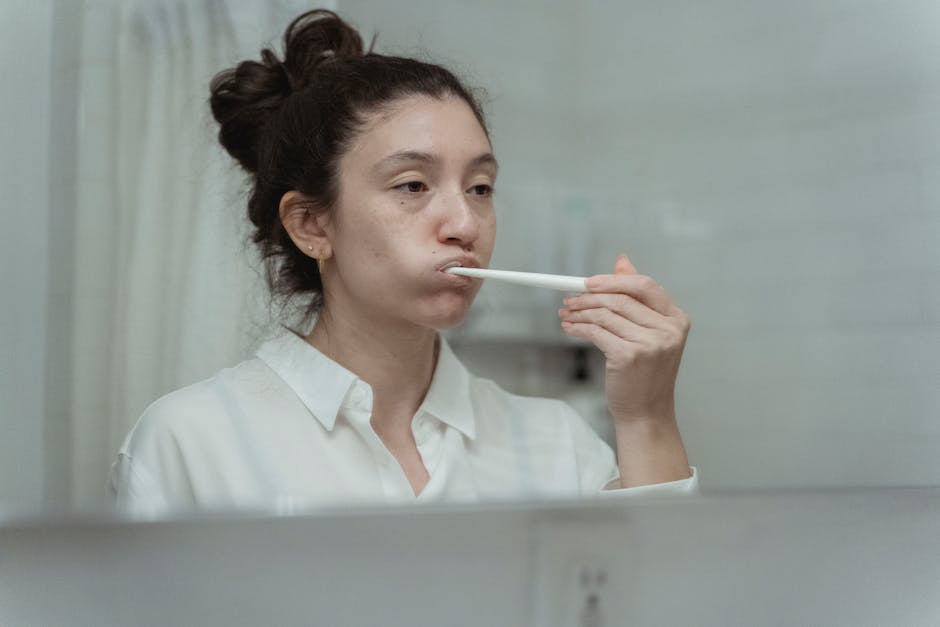
The toothbrush – an essential tool we use every day, but how often do we consider the cleanliness of this trusty implement? Just as we clean our bodies to remove dirt and germs, we need to keep our toothbrush clean too. However, many of us are guilty of neglecting our toothbrushes and failing to sanitize them properly. This article aims to shed light on the seven most effective ways to clean and sanitize your toothbrush, helping improve your overall oral hygiene in the process.
Understanding the Importance of Keeping Your Toothbrush Clean
Cleaning your toothbrush is not just about aesthetics or reducing unpleasant odors. It’s about enhancing the tool’s effectiveness in maintaining your oral health. Some people believe rinsing their toothbrush under water after use is an adequate form of cleaning. However, this common method is not enough to keep toothbrushes free of bacteria and microscopic remnants of food.
Quick Facts:
- The moist environment of a bathroom can encourage bacterial growth on your toothbrush.
- According to the American Dental Association, toothbrushes can harbor bacteria and increase the risk of oral infection if not properly cleaned.
- Failure to clean your toothbrush can lead to gum disease, cavities, and other oral health problems.
Pro Tip: Establishing a routine for cleaning your toothbrush can ensure you maintain this health-promoting habit. Consider doing this either first thing in the morning or at night before bed.
The Proper Way to Rinse Your Toothbrush After Use
A common mistake many people make is not rinsing their toothbrush thoroughly enough after brushing. Some simply run the bristles under water for a few seconds without ensuring the removal of leftover toothpaste and particles stuck in between the bristles.
Step-by-step Guide:
- Run the bristles of your toothbrush under lukewarm water for at least 30 seconds.
- Gently rub the bristles with your thumb to loosen any trapped particles.
- Make sure to rinse the handle and the area where the bristles are attached, where bacteria and mold can often hide.
- Shake off excess water vigorously to ensure no water droplets remain, which can cause mold growth.
Pro Tip: Using warm water for rinsing can help ensure the toothpaste and particles are dissolved more efficiently. However, avoid using too-hot water, which can damage your toothbrush bristles.
Regularly Disinfecting Toothbrush Using Antibacterial Mouthwash
Just like mouthwash helps kill bacteria in your mouth, it can also be used to disinfect your toothbrush. However, it’s crucial to use the right type of mouthwash and follow the correct procedure to avoid damaging your toothbrush.
Checklist:
- Mouthwash, ideally one that contains alcohol or cetylpyridinium chloride.
- A cup or holder to hold the toothbrush while soaking.
- A timer to monitor soaking time.
Best Practice: Disinfecting your toothbrush with mouthwash should be done once a week and should not replace regular rinsing after each use. For the best results, soak your toothbrush head in the mouthwash for about 15 minutes, then rinse it thoroughly under running water.
Deep Cleaning your Toothbrush Using Hydrogen Peroxide
Hydrogen peroxide has long been used for cleaning and sterilization purposes due to its powerful disinfectant properties. However, it’s critical to remember that using hydrogen peroxide comes with its own set of benefits and potential risks.
Comparison:
| Hydrogen Peroxide | Other Sanitizing Options |
|---|---|
| Effective in killing bacteria and viruses | Effectiveness depends on type used, may not be as comprehensive |
| Easily available and affordable | Can be costly, depending on option chosen |
| Needs to be handled with care due to its strong oxidative properties | Generally safer to handle |
Pro Tip: Always store hydrogen peroxide out of reach of children and in a cool, dark place. While using it, ensure you don’t ingest it or get it in your eyes.
Utilizing UV Light Sanitizers for Thorough Cleaning
UV light sanitizers use ultraviolet light to kill bacteria and other microorganisms on your toothbrush. These devices are incredibly efficient as they kill up to 99.9% of bacteria but they require precautions to ensure safe use.
Best Practice: Always follow the manufacturer’s instructions when using a UV light sanitizer. Also, remember to keep the device out of reach of children to prevent accidental eye exposure.
| UV Light Sanitizers | Other Cleaning Methods |
|---|---|
| High efficiency in killing bacteria | Efficiency varies depending on method |
| Requires electricity to function | Most methods do not require any power source |
| May be more expensive | Other methods can be cost-effective, such as using mouthwash or hydrogen peroxide |
Storing Your Toothbrush Correctly to Prevent Bacterial Growth
Storing your toothbrush correctly is as important as cleaning it regularly. An improperly stored toothbrush can foster bacterial growth and make your cleaning efforts less effective.
Step-by-step Guide:
- Rinse your toothbrush thoroughly after use and shake off excess water.
- Store it upright, in a dry area with good airflow to allow it to dry properly.
- If storing in a container, make sure it has holes for ventilation.
- Don’t store toothbrushes in closed containers for long periods.
- Avoid storing your toothbrush near the toilet to prevent contamination from airborne toilet particles.
Pro Tip: Consider using a toothbrush holder with slots for individual brushes to prevent cross-contamination from touching bristles.
Replacing Your Toothbrush Regularly for Maximum Hygiene
Even with the best clean and store practices, toothbrush bristles wear out and lose their effectiveness over time. It’s crucial, therefore, to replace your toothbrush regularly.
Best Practice: According to the American Dental Association, it’s recommended to replace your toothbrush every 3-4 months or sooner if the bristles become frayed.
Checklist:
- Bristles appear worn or frayed
- Bristles splay out or become discolored
- You’ve been ill
- You feel the brush isn’t cleaning your teeth as effectively as before
By integrating these tips into your oral care routine, you can ensure a cleaner, healthier toothbrush, contributing to better overall oral hygiene. Remember, taking care of your toothbrush is as important as brushing right. Happy brushing!
Key Takeaway:
- Maintaining a clean toothbrush is crucial for good oral hygiene, and it involves a few basic steps including proper rinsing after use, disinfecting with mouthwash or hydrogen peroxide, using UV sanitizers, correct storage, and regular replacement.
- Sound toothbrush hygiene can prevent bacterial buildup and associated oral health issues. The American Dental Association suggests replacing toothbrushes every 3-4 months or sooner if the bristles are frayed.
- Hydrogen peroxide and UV sanitizers are highly effective at killing bacteria, but they must be used with care.
Maintaining a clean and sanitary toothbrush may seem like a chore, but it’s a small task that has significant impacts on your overall oral health. Establish a routine for cleaning and storing your toothbrush properly, and your smile will thank you!
FAQs
Q: Can I sanitize my toothbrush in the dishwasher?
A: While it might seem like a quick and easy method, it’s not recommended to sanitize your toothbrush in the dishwasher. The high temperatures could damage the bristles of the toothbrush, reducing its effectiveness.
Q: How often should I clean my toothbrush holder?
A: It’s recommended to clean your toothbrush holder at least once a week. Bacteria can thrive in the damp environment of a toothbrush holder, so regular cleaning is crucial to maintain hygiene.
Q: Is it safe to share a toothbrush with others?
A: No, sharing a toothbrush can lead to the transmission of germs and bacteria, potentially causing infections or illnesses. Everyone should have their own toothbrush, stored separately to avoid cross-contamination.
Q: Can I store my toothbrush in a travel case?
A: While a travel case is handy for transportation purposes, it’s not recommended for long-term storage. The lack of airflow can promote bacterial growth. After use, let your toothbrush dry fully before storing it in a travel case.
Q: What can happen if I fail to replace my toothbrush regularly?
A: Over time, the bristles on your toothbrush can become worn and ineffective at cleaning your teeth. Furthermore, bacteria can accumulate on an old toothbrush, which may lead to infections or oral diseases.
Share the knowledge, and remember to check out other posts on our website for more useful tips and advice!