Babies are adorable, but they also come with a fair share of messes, including notoriously stubborn stains on their tiny adorable clothes. Successfully removing these stains involves combining appropriate pre-treatment techniques, using the right cleaning agents, employing proper washing practices, air drying, and exercising correct clothes storage and maintenance. This article will navigate you through these efficient stain removal techniques, ensuring your child’s garments remain in pristine condition.
Pre-Treatment Techniques
Prompt stain pre-treatment is essential for effective stain removal. No matter the stain – formula spills, pureed peas, or that dreaded diaper blowout – time is of the essence.
Here are some common stains you might encounter:
- Formula
- Fruit purees
- Diaper mishaps
- Spaghetti sauce
- Grass and dirt
The moment a stain occurs, blot it immediately with a soft cloth, working from the outside in to prevent spreading. Avoid the common mistake of rubbing it, which could make the situation worse. For stubborn spots like red fruit or vegetable purees, a mild detergent applied directly to the stain can make all the difference.
Choosing the Right Cleaning Agents
Not all cleaning agents are suitable for baby clothes. It’s essential to choose detergents and cleaners that are gentle on the fabric yet tough on stains. Basically, the detergent should be free from dye, perfume, and harsh cleansers, which can irritate baby’s delicate skin.
Interestingly, different cleaning agents work on various stain types. For protein-based, like formula or spit-ups, enzymatic cleaners can be your hero. For grease or oil-based inconveniences, look no further than dish soap, an unexpected yet effective remedy.
One comparison worth considering is that between natural ingredients and off-the-shelf cleaners. Natural ingredients, such as baking soda and vinegar, offer a green, cost-effective, and surprisingly potent alternative. Beware, though, as some fabrics might not react well to specific natural cleaners – always test before a full application.
Washing Techniques
Washing is a critical step, and doing it right ensures stain removal while preserving your baby’s delicate clothes. It’s beneficial always to pre-soak stained fabrics in warm water—select the right washing machine setting for baby clothes, usually a delicate wash.
Different fabrics call for different washing techniques. Cotton clothes might shrink in hot water, while woolen ones could get deformed. Consider these factors when selecting the wash temperature and cycle.
Segregate clothes not just by color, but also by fabric type and soil level. Lightly soiled clothes still in good shape should not share a wash with heavily stained ones. The washing load size also matters. Too many clothes could compromise the washing efficiency, resulting in imperfect stain removal.
Up next, we delve into drying and checking for stains, and conclude with storage and maintenance advice.
Drying and Checking for Stains
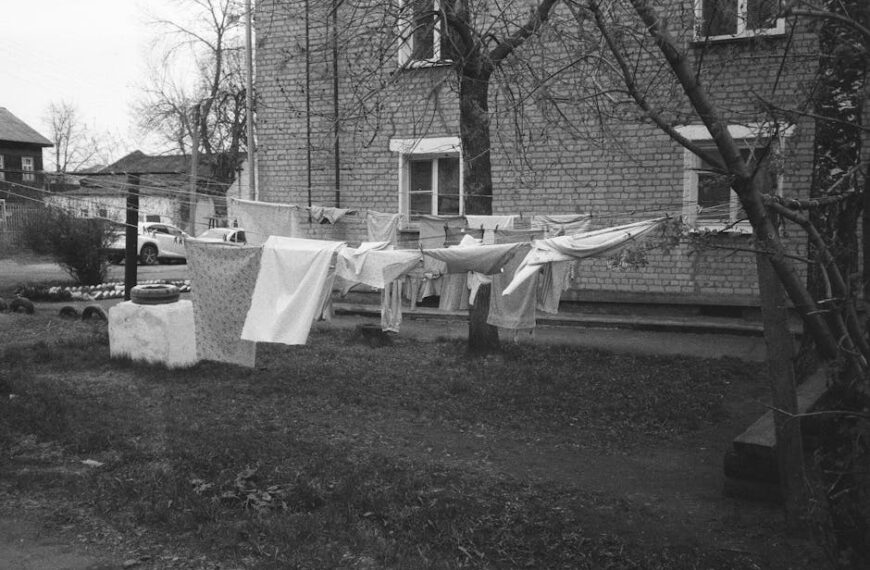
The process doesn’t end after washing. Drying is equally crucial in your clothes caring journey. It’s highly recommended to air dry baby clothes rather than using a dryer. Air drying not only reduces wear and tear on the fabric but also prevents shrinkage and deformity. For tough stains that persist after washing, re-treat and rewash instead of drying as heat can permanently set stains.
Always remember to check your baby’s clothes for any remaining stains before and after drying. A thorough inspection might catch that stealthy spot overlooked during the wash.
Air drying, however, does take a longer time compared to using a machine. The table below details the pros and cons of both methods.
| Methods | Pros | Cons |
|---|---|---|
| Air Drying | Prevents fabric shrinkage and deformation, no utility bill shock | May not be practical during rainy days or if you lack space |
| Machine Drying | Quick and convenient | May cause fabric shrinkage and deformation, incurs energy costs |
Pro Tip: When dealing with white baby clothes, sunlight serves as a natural, chemical-free bleaching agent. Get those diapers dazzling with a dose of good ol’ Vitamin D!
Storing and Maintaining Baby Clothes
Proper storage and maintenance are essential in preventing future stains and prolonging the lifespan of baby clothes. If you’re keen on passing on the clothes to another child or donating them, scrupulous storage is a must.
Here are useful storage tips to keep in mind:
- Fold the clothes neatly to minimize creasing and save storage space.
- Store clothes in a clean, dry, cool, and dark location to prevent yellowing and mildew.
- Store white clothes separately from colored pieces.
- Place heavier pieces like jackets or sweaters at the bottom of the stack and lighter items on top.
Maintaining baby clothes involves consistent effort, but the previous steps will certainly make the task less daunting with time. Whether you are dealing with common stains or maintain your infant’s adorable wardrobe, these techniques will ensure you’re always ready for any baby-spurred obstacle that may come your way.
In a nutshell, prompt pre-treat stains, choose a baby-safe detergent, know the washing requirements of different fabrics, air dry, and store properly. By following these best practices, you’ll keep those adorable outfits in great shape – picture-perfect and ready for all your baby’s big moments!
Key Takeaway:
- Speedy pre-treatment is key to successful stain removal from baby clothes.
- Select non-irritating, effective cleaning agents that are suitable for the fabric and the type of stain.
- Use proper washing techniques, considering fabric type and level of soiling.
- Air dry baby clothes where possible, and always check for lingering stains before and after drying.
- Correct storage techniques help prevent future stains and maintain the quality of baby clothes for future use or passing on.
In spite of baby clothes being notorious for tough stains, rest assured that tackling these marks can be made easy with a systematic approach of pre-treatment, selecting the right cleaning agents, proper washing and drying, and efficient storage. With patience and persistence, you can keep your baby’s clothes in excellent condition, extending their lifespan for future siblings or to pass on.
FAQs
Q: What should I do if a stain persists after washing?
A: If a stain persists after washing, do not dry the clothing – heat can set the stain. Instead, re-treat and rewash the item.
Q: Can I use regular detergent to wash baby clothes?
A: It’s best to use a detergent that is free from dye, perfume, and harsh cleansers, which can irritate a baby’s delicate skin.
Q: Is machine washing safer for baby clothes?
A: It’s perfectly safe to machine wash baby clothes under the appropriate settings. However, for delicate items, hand washing might be a better option.
Q: Should I separate clothes by color when washing baby clothes?
A: Yes, segregating clothes not only by color but also by fabric type and soil level is recommended.
Q: What’s the best way to dry baby clothes?
A: Generally, air drying is preferred as it’s gentle on the fabric and prevents shrinkage or deformation.
Feel free to share this article with your mom friends and explore more helpful parenting tips on our website.