Let’s start with a fundamental question that has likely crossed the minds of many while doing laundry – can towels be washed with clothes? Ideally, towels should not be washed with clothes. They each have unique washing requirements, and mixing them may not yield the best results. The importance of this separation gains further gravity when considering potential risks involved, best practices for laundry, and the varied benefits of properly taking care of your textiles. The following sections delve deeply into these aspects to provide you with a comprehensive understanding of why keeping your towels and clothes apart during laundry makes a considerable difference.
Understanding the Difference in Washing Requirements
When it comes to laundry, not all fabrics are created equal. Towels and clothes have distinct washing requirements, driven largely by their fabric composition and their use.
Towels are typically made up of a denser material with high absorbency, meaning they soak up a lot of water, sweat, and bathroom humidity. Due to this, towels require a higher washing temperature, often hotter than what most clothes require. Washing towels at high temperatures kills bacteria, making them sanitary for reuse. Conversely, clothes, especially those made of delicate fabrics, can’t withstand such high temperatures without risking damage to the fibers.
Pro Tip: It’s best to wash your towels at a temperature of around 60°C to effectively kill bacteria. Clothes, particularly those of delicate fabric, are better maintained at a wash temperature around 30-40°C, preserving fabric quality and longevity.
Potential Risks Involved in Washing Towels and Clothes Together
Mixing towels and clothes in your laundry can increase the risk of color bleeding, material damage, and cross-contamination.
Towels, being absorbent, can hold onto dyes from colored clothing, leading to discoloration. Simultaneously, the harsh wash cycle required for towels can cause damage to clothes’ material, particularly delicate fabrics. Additionally, towels often house bacteria, which can spread to clothes in a mixed wash, causing unsanitary conditions and foul odors.
- Checklist: Before mixing towels and clothes, here’s what you need to consider:
– Dye Quality: Are any of your clothes or towels likely to bleed color?
– Fabric type: Are your clothes delicate or durable?
– Cross-contamination: Are your towels heavily soiled or sanitary?
How to Correctly Separate Laundry for Washing
Sorting your laundry correctly is crucial for maintaining the longevity and cleanliness of your clothes and towels.
The first rule of thumb for sorting laundry is to segregate based on color to prevent color bleeding. Separate your laundry into whites, lights, darks, and colors. Keep heavily soiled items separate, as they might need a more rigorous wash. Lastly, separate your towels and any other heavily absorbent materials from the bulk of your clothes.
To paint a comparative picture, clothes and towels washed separately remain vibrant, intact, and sanitary for longer durations. Washing them together can lead to quicker wear and tear, color bleeding, and potential bacterial contamination, sabotaging your textiles’ lifespan and quality. Hence, it’s easy to see why proper separation is worthwhile.
How to Properly Wash Towels
Washing towels properly can help in maintaining their absorbency, softness, and cleanliness.
Start by pre-washing heavily soiled towels, which helps get rid of any excess dirt that can otherwise be redistributed among your towels during the wash. Next, add detergent, keeping it to an optimal amount; excessive detergent can lead to build-up and reduce the towel’s softness and absorbency. Consider using fabric softeners sparingly, as they can also cloak fibers, hampering absorbency.
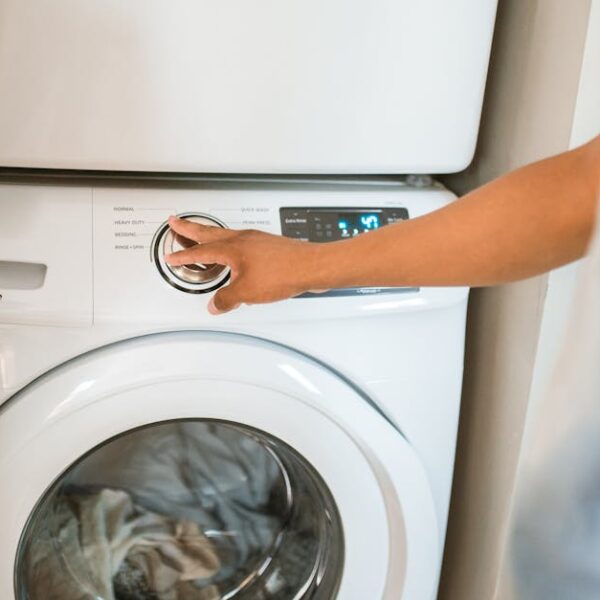
When it comes to washing machine settings, a long wash cycle at a higher temperature works best for towels. However, don’t overload the washing machine; towels need plenty of water to get clean because they are heavy and absorbent. Lastly, thoroughly dry your towels to prevent the formation of mildew.
Best Practices: Here are some tips for washing towels:
– Pre-wash heavily soiled towels.
– Use an optimal amount of detergent.
– Occasionally run towels through a rinse cycle without any detergent to break up detergent and fabric softener residue.
– Wash towels on a longer, high-temperature cycle.
– Do not overload the washing machine.
– Thoroughly dry towels.
How to Properly Wash Clothes
Clothes demand more delicate handling and diverse washing strategies depending on the fabric type and color.
Start by reading the garment’s care label for specific instructions on washing temperature and method. Generally, a lower temperature is recommended for clothes, especially delicate fabrics, to prevent shrinkage and fading. Use cold water for dark colors to prevent bleeding. Opt for a mild detergent for clothes, as standard detergents can damage certain types of fabric. Lastly, unless the label dictates otherwise, air-dry your clothes to best preserve their shape and fabric quality.
Pros and Cons: Handwashing versus machine washing clothes:
– Handwashing: It can be gentler on fabric but is time-consuming. It’s best suited for clothes with delicate fabrics or detailing.
– Machine washing: It’s convenient and efficient for regular and durable garments but can potentially cause fabric damage if settings are not chosen wisely.
When Mixing Towels and Clothes might be Acceptable
While it’s advisable to refrain from mixing towels and clothes in a wash, in certain instances, it might not lead to adverse effects.
When you’re dealing with colorfast and durable fabric towels and similarly durable clothes, they can be washed together in a pinch. These clothes can withstand the rougher wash cycle that towels require. Similarly, if all items are of the same color, there’s a lower risk of color bleeding.
However, always remember that regularly washing towels and clothes together comes with potential downsides such as quicker wear and tear and bacterial contamination.
Pros and Cons: Mixing Towels and Clothes
– Pros: It saves time and water, as you wash fewer loads. It might be suitable in emergencies, when you’re short on time or dealing with a limited quantity of laundry.
– Cons: There’s a risk of cross-contamination, color bleeding, and fabric damage. Clothes might not be cleaned as thoroughly due to the different washing requirements.
In conclusion, while washing towels and clothes together might seem like a time and water-saving measure, it may indeed end up decreasing the longevity and quality of your textiles. Hence, the recommendation stands – keep your towels and clothes separate in the wash. With these practical tips and best practices in mind, you’ll be well-equipped to properly care for your distinctive textile items.
Key Takeaway:
- The washing requirements for towels and clothes differ in terms of fabric type, level of washing and temperature requirements. Mixing them could lead to issues like color bleeding, fabric damage, and cross-contamination.
- It’s essential to separate laundry into distinct categories based on color, fabric type, and dirt level. Washing towels and clothes separately can enhance their longevity and cleanliness.
- The right way to wash towels involves pre-washing treatment, selecting correct washing machine settings, using appropriate amount of detergents, and applying proper drying method.
- Ideally, washing towels and clothes together should be avoided, but there might be situations where it is acceptable, like when washing colorfast and durable items together.
Living a clean and comfortable life relies on knowing how to care for your laundry effectively. Armed with these insights, you’ll be at ease knowing that your clothes and towels are getting the optimal treatment they deserve, maintaining their quality and lifespan. It’s the small things, done right, that add up to making a big difference in our everyday lives.
FAQs
Q: How can I make sure that my towels remain soft and absorbent?
A: You should use the correct amount of detergent while washing towels. Too much detergent can lead to a build-up that affects the softness and absorbency. Also, consider running your towels through a rinse cycle without any detergent occasionally to break down any existing detergent or fabric softener residue.
Q: What temperature should I be washing my clothes at?
A: The washing temperature depends on the fabric of your clothing. Delicate fabrics are typically better maintained at lower temperatures, around 30-40°C, to preserve fabric quality and longevity. However, always refer to the garment’s care label for more specific instructions.
Q: Is it safe to mix towels with clothes in a pinch?
A: While it’s generally not advisable, in certain cases it might be acceptable, like when you’re washing colorfast and durable towels with similarly durable and colored clothes. However, keep in mind the potential downsides of fabric damage, color bleeding, and cross-contamination.
Q: What precautions should I take before mixing towels and clothes in a wash?
A: Before mixing, consider aspects such as the dye quality of your items (to avoid color bleeding), the resilience of your clothes’ fabric, and the cleanliness of your towels, to prevent cross-contamination.
Q: Is hand washing clothes more beneficial than machine washing?
A: Handwashing can be gentler on fabric, which is beneficial for delicate fabrics or clothes with detailing. However, it’s time-consuming. Machine washing, on the other hand, is convenient and efficient, but could potentially harm fabrics if the wrong settings are chosen.
Go on, share this article with friends and family who could benefit from these insights. And don’t forget to explore more posts on our website for everyday tips and advice.