Do vacuum cleaners kill bed bugs? The answer isn’t as straightforward as one might think. It depends on a confluence of factors – the type of vacuum used, the extent of the infestation, and the ability of bed bugs to hide and survive in diverse environments. By exploring the life and resilience of bed bugs, the effectiveness of vacuum cleaners against them, their potential limitations, and the role vacuuming plays in an overall bed bug control strategy, we’ll unpack the surprising truth about these pests and your vacuum cleaner.
Understanding Bed Bugs and Their Survival
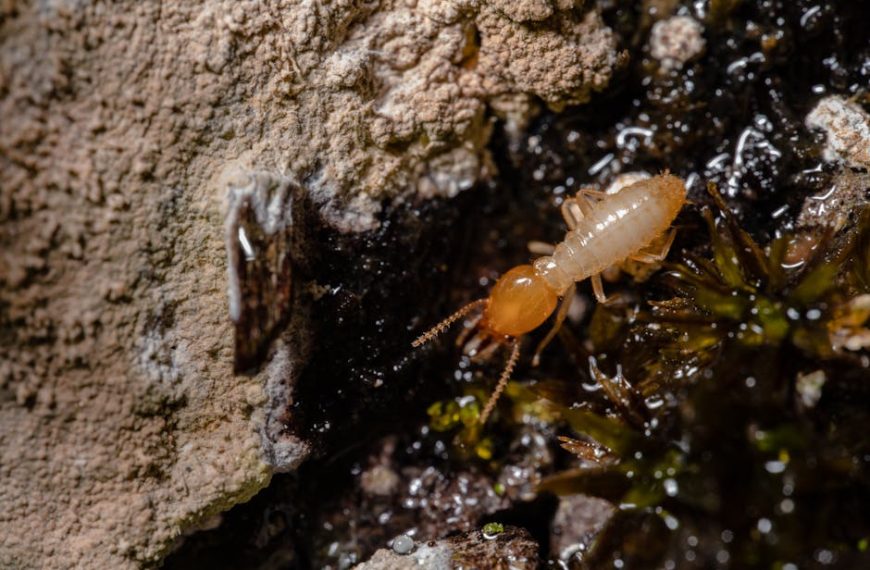
Bed bugs are small, parasitic insects that feed on human blood. They’re sneaky hitchhikers, capable of hiding in tiny cracks and crevices, only to emerge once you’re asleep. Being nocturnal, they have a remarkable ability to avoid detection.
- Hiding spots: Bed bugs can hide in mattresses, bed frames, furniture, carpets, and even in tiny gaps in hard surfaces. They are known to survive in luggage or on clothes, making it easy for an infestation to spread.
- Environmental factors: Bed bugs can withstand extreme temperatures (both high and low) and go without a meal for several months, making them well-equipped to survive even when their environment is less than ideal.
 Pro tip: If you’re waking up with mysterious bite marks, or if you find dark spots or discarded skins on your mattress, these could be signs of a bed bug infestation.
Effectiveness of Vacuum Cleaners Against Bed Bugs
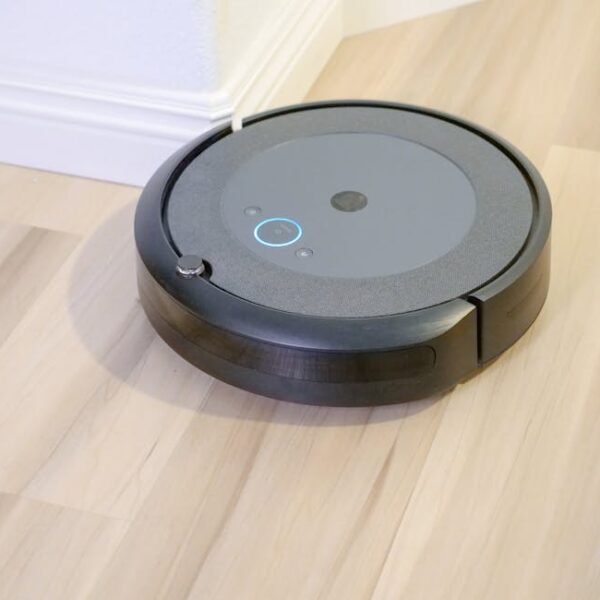
So, can you just vacuum up these unwanted guests? Vacuum cleaners can play a role in bed bug control, but their effectiveness is not absolute and depends largely on the type of vacuum being used.
- Handheld vacuum cleaner: While handy and easy to use, handheld vacuum cleaners may lack the suction power necessary to remove all bed bugs, especially from deep within fabrics or carpet.
- Regular vacuum cleaner: A standard, upright vacuum cleaner might offer more suction, but it still may not reach bed bugs hiding extremely deep in cracks and crevices.
For effective vacuuming, you need to be extremely thorough. This includes vacuuming all furniture, fabrics and even electrical outlets, followed by immediate disposal of the vacuum bag in a sealed bin outside your home.
Potential Limitations of Vacuuming
Vacuuming as a bed bug control measure is not without its flaws. Here are some major drawbacks to consider:
- Missed bugs: Vacuuming might miss bed bugs hiding in extremely small gaps or deep inside furniture or mattresses.
- Safety risks: Vacuuming can cause bed bugs to scatter if not done correctly, potentially worsening the infestation.
Pro tip: While vacuuming is a useful tool, controlling bed bugs requires a comprehensive, multi-pronged approach. This might include pesticides, heat treatments, or even professional extermination services.
Vacuuming As a Part of a Larger Bed Bug Control Strategy
Given its limitations, vacuuming should not be relied upon as a standalone bed bug eradication method. Instead, it’s most effective when included as one component of a larger, more comprehensive strategy. Other components might include:
- Pesticides: Bed bug sprays and dusts can kill bugs on contact and provide residual protection. Always remember to follow the safety instructions on the product label.
- Heat treatment: Bed bugs are susceptible to heat, and infested items can often be treated with steam or in a dryer on high heat.
- Professional extermination: Particularly stubborn or severe infestations may need professional treatment. Exterminators possess unique tools and knowledge to handle such situations.
By incorporating these various methods, and staying committed to a consistent treatment plan, you can dramatically increase your chances of success.
Professional Extermination: The Most Effective Bed Bug Solution
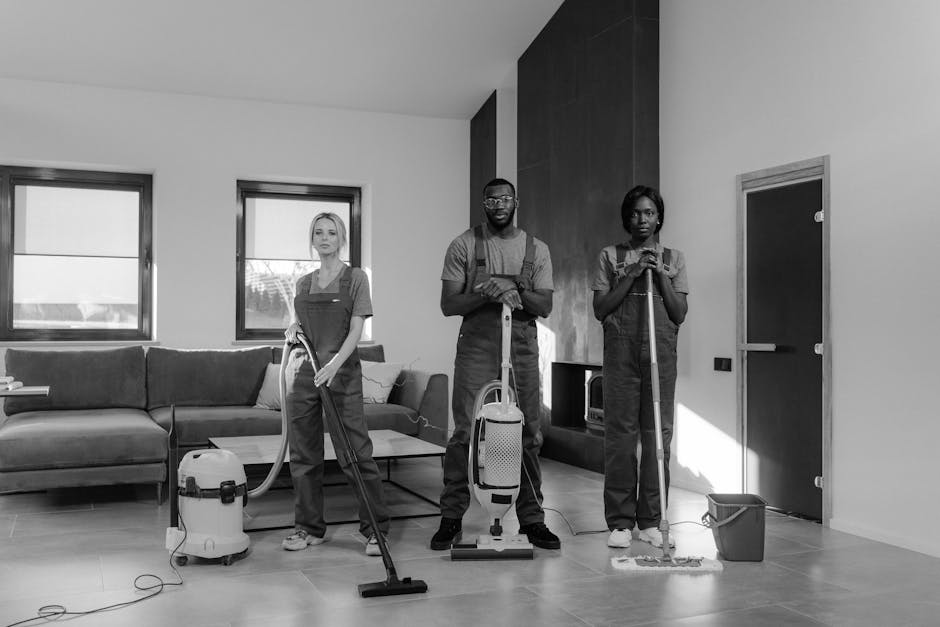
When it comes to severe infestations, professional extermination may be the best—and often the only—realistic option. Professionals are equipped with powerful tools and have the expertise to effectively treat infestations while also taking measures to prevent a recurrence.
| DIY methods | Professional extermination | |
|---|---|---|
| Effectiveness | Can be somewhat effective, but limited | Typically very effective, even for severe infestations |
| Cost | Various costs for different methods, can add up fast | More upfront cost, but often worth it in the long-run |
| Convenience | Can be time-consuming and require significant effort | Exterminator does the work, freeing you to focus on other things |
| Safety | Safety depends on correct usage of methods and products, potential risk of spreading infestation | Exterminators are trained to handle potentially unsafe situations safely |
Pro tip: If your infestation is large, or if DIY methods have been unsuccessful, it may be time to call a professional.
In summary, while vacuuming can indeed help in managing bed bugs, it can’t be relied upon as the sole solution. Successful management often requires comprehensive strategies that consider the remarkable resilience of these pests, and sometimes, this includes the involvement of professional exterminators.
Loading…