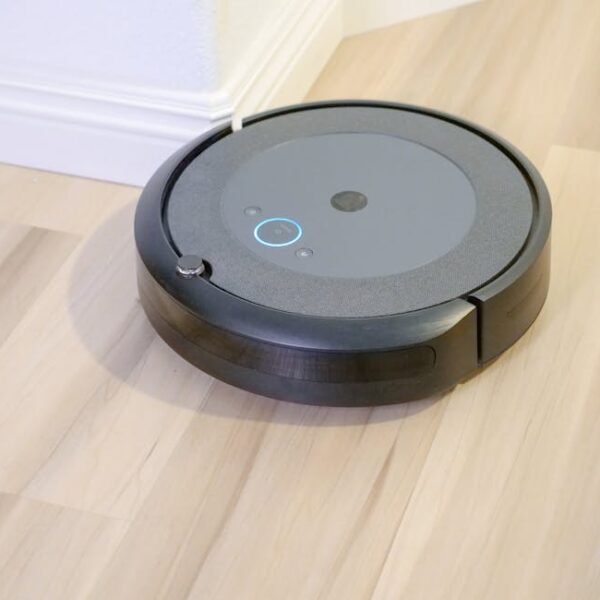
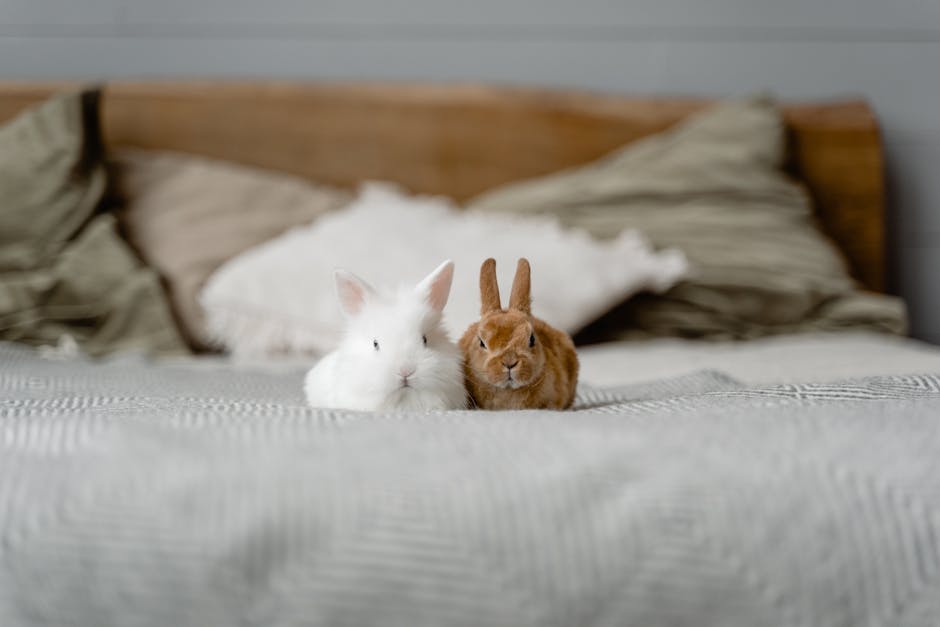
Most pet owners at some point have looked at their pet’s mess and wished they could quickly vacuum it away – for rabbit owners, this thought is no different. However, the simple answer to the question is: no, vacuuming rabbit poop comes with substantial risks and is not a recommended method for cleaning up after your furry companion. This article will provide practical alternatives, potential risks, and the best cleaning practices – keeping both your pet and household safe and healthy.
Potential Risks Involved with Vacuuming Rabbit Poop
Notably, rabbit poop can pose immediate hazards when vacuumed. Firstly, small round droppings can damage vacuum cleaners, obstructing tubes or interfering with the motor. To cut additional repair costs, it’s best to avoid vacuuming this pet waste. Secondly, a vacuum’s heat can aerosolize bacteria and parasites found in rabbit feces. This can cause a potential health risk when inhaled, leading to respiratory issues or parasitic infections. Lastly, vacuuming can also spread allergens, especially dangerous for those with allergies or respiratory conditions.
- Best Practice Tip: Always wear latex gloves when handling rabbit waste, and dispose of it responsibly.
- Pro tip: Save the vacuum cleaner for non-organic material, and use manual but safe methods for cleaning pet waste.
Safe and Effective Ways to Clean Rabbit Poop
Several safer alternatives can be used for cleaning up rabbit poop. Firstly, consider using disposable gloves and biodegradable bags – they are not only safe but also eco-friendly. Damp paper towels can also be efficient in absorbing urine and collecting droppings without dispersion. Likewise, pet-friendly disinfectants help sanitize the area, ensuring to eliminate any bacteria and parasites effectively.
- Checklist: Disposable gloves, biodegradable bags, pet-friendly disinfectants, and a sturdy scoop or dustpan.
- Pros and Cons: Manual methods may require more effort, but they reduce the risks associated with vacuuming and provide a safer, cleaner environment for your rabbit and your household.
Understanding the Health Risks of Inadequately Cleaning Rabbit Poop
Proper management of rabbit droppings is essential for a healthy environment for both the pet and its owner. Inadequate cleaning can lead to the propagation of parasites, diseases transmissible from rabbits to humans known as zoonoses (like the bacteria ‘Tularemia’), and a compromised health overall.
- Pro tip: Stay updated about potential health risks associated with owning a pet rabbit to safeguard your health and that of your pet.
- Best Practice: Regular vet visits and vaccines for your furry friend will help mitigate health risks.
Identifying Healthy vs. Unhealthy Rabbit Poop
Observing your rabbit’s feces can provide crucial information about its health. A rabbit’s diet heavily influences its waste; for instance, high-fiber diets result in round, dry droppings indicative of a healthy digestive system. In contrast, small or misshapen droppings, or an unusual smell, may suggest health issues that require immediate veterinary attention.
- Comparison: Healthy rabbit droppings should be round, dry, and abundant – they spend a lot of their time eating after all!
- Checklist: Unusual smell, irregular shape, or a decrease in fecal output should trigger a vet visit.
Promoting Proper Rabbit Hygiene and Habitat Cleaning
Maintaining a hygienic habitat for your pet rabbit promotes a healthier and happier pet. Regular cleaning, daily for areas with high droppings and weekly for general cage cleaning, can control bacterial growth and minimize health risks.
- Pro tip: Establishing a cleaning routine helps maintain a clean and comfortable living environment for your pet.
- Best Practice: Bedding specifically meant for rabbits, safe cleaning agents, and comfortable accessories will aid in promoting good hygiene for your rabbit’s habitat.
Can You Vacuum Rabbit Poop? (Read This First)
If you’re a bunny parent, and throwing a cautious glance at those little round droppings scattered in the rabbit pen, you may have wished you could simply sweep everything up with your vacuum cleaner. However, vacuuming rabbit poop can lead to unexpected and unwelcome problems for both you and your furry friend. Let’s dive into those potential risks and safer alternatives when it comes to maintaining a clean habitat for your bunny.
Potential Risks Involved with Vacuuming Rabbit Poop
Rabbit poop, despite its harmless appearance, can pose a few serious risks when vacuumed. Firstly, the small, round droppings might obstruct the cleaner’s tubes or damage the motor – translating into costly repairs. Secondly, the heat emitted by vacuum cleaners may potentially aerosolize bacteria, allergens or parasites present in the poop. This could lead to a variety of health issues, including respiratory infections and parasitic diseases.
- Best Practice Tip: When handling rabbit waste, always wear latex gloves and remember to dispose of it properly.
- Pro tip: Reserve your vacuum cleaner for non-organic materials. For cleaning up pet waste, choose manual methods instead.
Safe and Effective Ways to Clean Rabbit Poop
There are safer and more effective ways to clean rabbit poop. Using disposable latex gloves and biodegradable bags is a method that is safe for you and friendly to the environment. Damp paper towels can also aid in absorbing urine and collecting droppings without risking dispersion. Using a pet-friendly disinfectant helps kill any lurking bacteria, leaving the area safe and fresh.
- Checklist: Disposable latex gloves, biodegradable bags, damp paper towels, pet-friendly disinfectants, and a resilient poop scoop.
- Pros and Cons: Manual cleaning may entail more effort, but it significantly reduces risks associated with vacuuming. It also provides a safer, cleaner environment for you and your rabbit.
Understanding the Health Risks of Inadequately Cleaning Rabbit Poop
Proper management of rabbit droppings is paramount. Failing to clean up adequately may lead to the proliferation of parasites and bacteria, therefore increasing the potential for diseases that can be passed from rabbits to humans, also known as zoonoses. One such example is the bacterium ‘Tularemia’. This inadequate cleaning can have adverse effects on overall health.
- Pro tip: Educate yourself about potential health risks linked to owning a pet rabbit. Knowledge is key to protecting both your health and the health of your pet.
- Best Practice: Scheduling regular vet visits for your bunny and keeping up with the advised vaccines is a significant step in preventing health-related issues.
Identifying Healthy vs. Unhealthy Rabbit Poop
Being aware of what normal feces look like for your rabbit is crucial. A rabbit’s diet greatly affects its droppings. A high-fiber diet usually results in round, dry droppings – indicating a healthy digestive system. However, small or misshapen droppings or a different smell might signify potential health issues and should warrant a visit to the vet.
- Comparison: Good health is indicated by droppings that are round, dry, and plentiful. Your rabbit should produce a large quantity of poop due to its constant grazing.
- Checklist: If you notice any signs of an unusual smell, irregular shape, or a decrease in fecal output from your rabbit, a vet visit should be scheduled immediately.
Promoting Proper Rabbit Hygiene and Habitat Cleaning
Ensuring a hygienic habitat for your rabbit greatly contributes to a healthier and happier pet life. Frequent cleaning, especially in areas where droppings are concentrated, minimizes the risk of bacterial growth and potential related health issues.
- Pro tip: Having a consistent cleaning routine provides reassurance that your pet is living in a clean and comfortable environment.
- Best Practice: Rabbit-suitable bedding, safe cleaning agents, and cozy accessories can significantly support a proper hygiene routine for your rabbit’s living space.
Being a responsible rabbit owner is more than just enjoying their cute
Key Takeaway:
- Vacuuming rabbit poop is not advisable due to risks like damage to the vacuum cleaner, bacterial or parasitic contamination, and dispersion of allergens.
- Safer methods to clean rabbit poop include the use of disposable gloves, biodegradable bags, damp paper towels, and pet-friendly disinfectants.
- Negligence in cleaning rabbit feces can result in health hazards including the spread of diseases shared between rabbits and humans.
- Awareness about distinguishing between healthy and unhealthy rabbit feces is important as it can guide pet owners about their pet’s health.
- A clean and hygienic habitat is essential for the wellbeing of pet rabbits, and regular cleaning of the rabbit cage and use of appropriate bedding and cleaning agents are recommended.
We understand that handling a pet’s waste is a less glamorous aspect of pet ownership, but it’s an important one. Cleaning rabbit droppings effectively and safely not only prolongs the life of your cleaning equipment, but also contributes to a healthier and more comfortable environment for you and your pet.
FAQs
Q: Can I use a regular rubbish bag for disposing of rabbit poop?
A: While regular rubbish bags can be used, it’s better to use eco-friendly options such as biodegradable bags. They are a greener choice and as effective as traditional plastic bags.
Q: My rabbit’s feces have an unusual odor. What could be the reason?
A: An unusual odor may suggest an issue with your rabbit’s diet or health. It’s a good idea to consult with a vet for possible dietary adjustments or medical treatment.
Q: How often should the rabbit’s habitat be cleaned?
A: Areas where droppings accumulate should be cleaned daily while the entire cage should be cleaned weekly to maintain a hygienic environment.
Q: Can I use any type of cleaning agent to clean rabbit poop?
A: Pet-friendly disinfectants are recommended since some cleaning agents might be harmful to your pet. Always ensure that the product used is safe for pets.
Q: What can unusual rabbit feces indicate about my rabbit’s health?
A: Unusual rabbit feces like small or misshapen droppings can suggest health issues. If you notice such changes, it’s advisable to take your rabbit to a vet for a check-up.
Consider sharing this article if you believe it could be beneficial to other pet owners. Feel free to explore more posts for insightful information on pet care on our website.