
Protecting your home decorations shouldn’t be an uphill task, especially when cleaning your beloved sofa covers is concerned. The tricky part comes in ensuring the fabric does not shrink after the wash. Before delving into the specifics, it’s fundamental to understand that the type of material determines the susceptibility to shrinkage. Therefore, initial focus should be on understanding the properties of the material utilized.
Understanding the Material of Your Sofa Covers
Different fabrics, such as cotton, polyester, linen, velvet, and silk, have distinctive features, changing their reactiveness under varying conditions of washing, especially when exposed to heat and water. Some fabrics expand when soaked, and shrinking occurs as they dry, while others may contract due to agitation and heat exposure during washing.
For successful cleaning, pay close attention to the couch cover tag. Besides revealing the fabric type, the label also offers valuable laundering information. Ignoring these details could compromise the longevity and aesthetics of your covers.
Preparation Before Washing
A successful cleaning mission goes beyond eliminating visible dirt; it requires an approach that leaves the fabric in its original state as much as possible. Begin by dealing with the obvious stains, pre-treating them to make washing easier. Use cold water for this stage, as it helps to loosen the dirt while protecting the fabric from unexpected shrinking.
Next, handle any zippers to prevent them from catching onto other items during washing and causing tears. Turn your sofa covers inside out to safeguard the color from fading. This way, your covers not only become cleaner but also retain as much of their original state as possible.
Remember, pre-soaking stubborn stains in cold water can significantly help lighten them.
Choosing the Right Washing Method and Detergent
Once you’ve prepared the covers, it’s time to determine the optimal washing method. You can hand wash, machine wash, or dry clean, depending on the kind of fabric and the instructions on the tag.
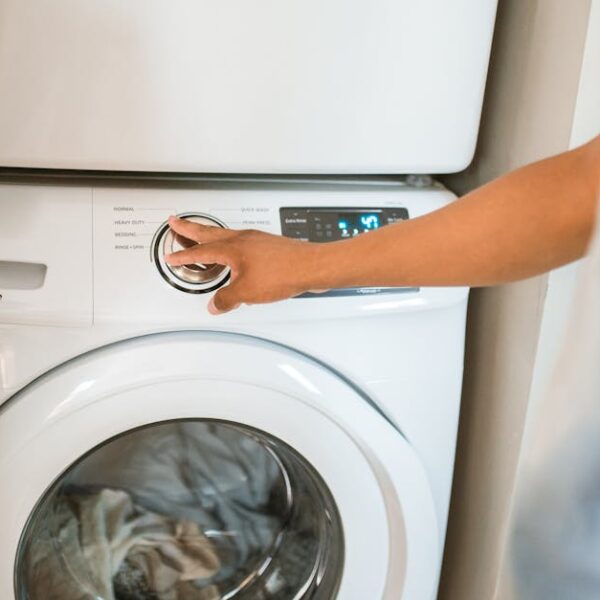
When using detergent, opt for a mild one; bleaching agents and other harsh chemicals can cause color loss. If you choose to machine wash, adjust the settings to a gentle cycle. Do not mix your covers with other items to avoid color transmission, which could alter their original hue.
The choice between hand washing and machine washing is dependent on the fabric type, and sometimes personal preference. With machine washing, you enjoy convenience and thoroughness, but the risk of fabric shrinkage or damange is higher. Hand washing is gentler, thus it is safer for delicate fabrics, but it can be time-consuming.
Etching these details into your mind will save your sofa covers from unnecessary shrinkage while ensuring they remain clean and vibrant. But the job isn’t done yet; drying your sofa covers correctly is equally crucial.
Drying Your Sofa Covers Properly
Drying your sofa covers may seem straightforward, but executing it wrongly can result in the dreaded shrinkage we’re trying to avoid. Here’s where we need to shatter a common misconception: over-drying doesn’t equal cleaner or in this case, properly dried covers. Both direct sunlight and high heat settings on a dryer can forcefully shrink your covers.
The recommended method is usually air drying, as it allows your covers to gently and slowly retract to their original size. Always remember to gently stretch the fabric into shape after washing to maintain its texture and size.
Should you choose to take the dryer route, you need to be cautious. Always utilize the low heat setting, and don’t leave your covers in there until they are completely dry. Instead, take them out while they are still slightly moist and transfer them to air dry.
Recovering Your Sofa Correctly
After your covers have sufficiently dried, it’s time for the final step: Putting them back on your sofa. While it might seem like a basic task, doing it correctly is essential to ensure your covers maintain their shape and size. Unnecessary stretching when fitting them back can cause distortions or looseness.
When should you recover your sofa? Well, many people bandy around the idea that fitting them when they’re still slightly damp can aid in reducing wrinkles. However, this method isn’t suitable if your sofa is made of a material that is susceptible to water damage. You should also consider the effort needed to fit the covers back on: adopt a method which is not too forceful, avoiding any unnecessary stretching.
Finally, rest easy knowing that your covers are as good as new – clean and retaining their original size. Keep these tips in mind during your next cleaning session to prevent drama and surprise shrinkage. Ensuring your cushions get a good scrub without any adverse effects is a rewarding task, isn’t it? Nothing beats a cozy, fresh, and snugly-fitting sofa cover to relax on!
Key Takeaway:
- The type of fabric significantly influences how sofa covers react to washing and drying, potentially leading to shrinkage.
- Always refer to the instructions on the couch cover tag before washing to avoid damaging the fabric.
- Preparation before washing, including treating stains, closing zippers, and turning the covers inside out, contributes significantly to the outcome.
- The washing method (hand wash, machine wash, or dry cleaning) and type of detergent used can impact shrinkage.
- Using high heat when drying and not stretching out the fabric after washing can result in shrinkage.
- Putting the covers back on the sofa while they are slightly damp can reduce wrinkles, but care should be taken if the sofa material can be damaged by moisture.
Just because you’re making an effort to clean your sofa covers doesn’t mean you have to compromise their fit and look. The proper know-how—understanding your fabric, prepping before washing, choosing the right method and detergent, drying appropriately, and carefully re-covering—can help to maintain the size and integrity of your covers. Happy cleaning!
FAQs
Q: What if my couch cover tag does not have washing instructions?
A: In that scenario, test a small, inconspicuous area with mild detergent and water to see how the fabric reacts. If it seems fine, proceed with wash but stick to gentle cycles and cool temperatures.
Q: Can I tumble-dry my sofa covers to speed up the drying process?
A: While tempting, remember high heat can cause shrinkage. You can partially dry covers in the dryer on a low heat setting, then air-dry them until they’re fully dry.
Q: Can I iron my sofa covers to get rid of wrinkles?
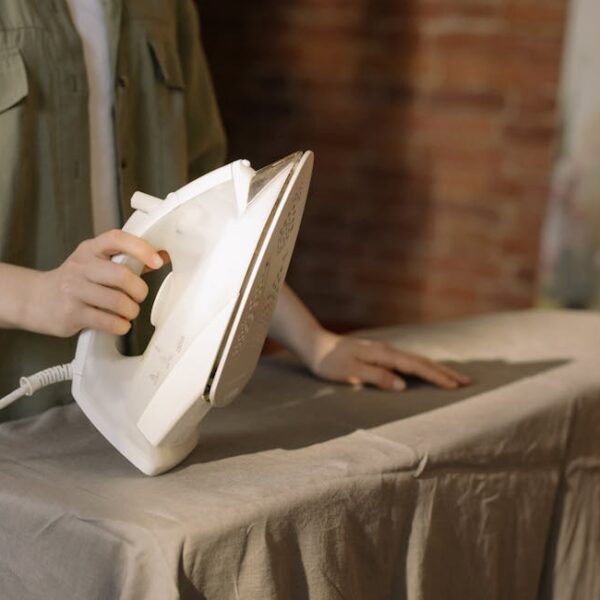
A: While this is feasible, make sure your fabric is iron-safe and always iron on the reverse side to prevent any potential color fade or damage.
Q: Should I use fabric softener when washing sofa covers?
A: While fabric softener can make fabrics soft and smell nice, some can also affect the color and texture of your covers. Check your fabric’s wash instructions before use.
Q: Are there professionals who can wash sofa covers without causing shrinkage?
A: Yes, many dry-cleaning and laundry services have expertise in handling different types of fabric and can safely clean your sofa covers.
Share this article with others keen on maintaining their sofa covers in top-notch condition and explore more posts on our website for helpful tips!