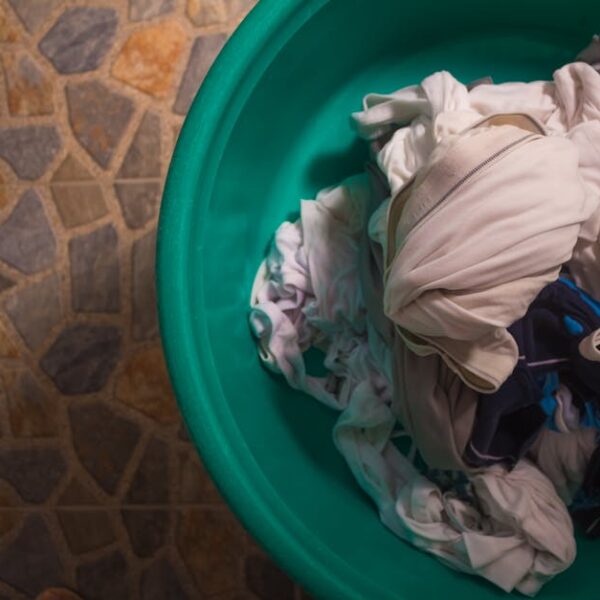

Have you ever tossed your pearly white clothes into the washer only to retrieve them an hour later tinged with pink? It’s all too common, and the culprit behind your pastel-colored tops is often color bleeding from poorly sorted laundry. A casual mix-up between your whites and a rouge red t-shirt can bring about this lamentable laundry mishap.
Understanding Why White Clothes Turn Pink
Before we delve into fixing your rosy-hued whites, it’s important to shed some light on the science behind color bleeding during laundry. Dyes, particularly from new or low-quality clothing, often seep out when washed and bind themselves to other fabrics in the process. These errant hues latch onto your whites, painting them an unexpected shade of pink.
All that said, poor laundry sorting isn’t the only factor at play here. Other less common contributors can include staining from food or cosmetic products, or the use of certain cleaning products that might contain colored dyes.
To prevent these unfortunate color surprises happening again, take note of these common laundry mistakes:
– Mixing colors without pre-checking: Always separate whites and colors before doing the laundry.
– Washing new clothes with whites: New articles of clothing might leak colors in the first few washes. It’s best to wash them separately initially.
– Using hard water: Hard water may not just fade colors but also cause some fabrics to turn yellow.
Pro tip: Wash your clothes inside out and similar colors together. Also, consider using a color catching sheet in your wash to keep colors trapped.
How to Fix Pink-Tinted White Clothing With Common Laundry Agents
Now that we understand the color bleeding culprits let’s shift our focus to reclaiming your whites. Bleach, due to its strong whitening effect, can often restore the original look of your clothes.
Here’s a bleach emergency cure you can follow:
- Fill a sink or basin with one part bleach and five parts cold water.
- Add the pink-stained white clothes and let them soak for 10-20 minutes, observing closely to check progress.
- Rinse thoroughly and wash again with your regular laundry detergent. If the pink hue persists, repeat the process.
Take caution, however, as bleach is a potent chemical agent. Always wear protective gloves and eye wear when handling it, and follow manufacturer instructions carefully.
Checklist for Using Bleach to Color-correct clothes:
– Assess material compatibility
– Mix appropriate bleach-water ratio
– Wash articles again post-bleach soak
– Repeat process if necessary
Best Practice: Only use bleach on sturdy fabric like cotton, and never on delicate materials such as silk or wool.
Alternative Methods to Restore Pink-Tinted White Clothes
For those apprehensive about using bleach, there are also a handful of common household items that can act as milder, natural color-correction agents. Vinegar, baking soda, and lemon juice can all potentially restore your pink-tinted whites.
To use white vinegar, add 2 cups to your laundry during the rinse cycle. For baking soda, dissolve half a cup in water and soak your clothes in it before washing. And with lemon juice, simply add a cup to your wash cycle, or soak the clothes in a basin with one quart of water and one cup of lemon juice.
Despite their natural allure, it’s worth mentioning that these methods might not be as effective as commercial laundry agents when it comes to stubborn discoloration.
Comparison of Household Items vs Commercial Laundry Agents
| Household Items | Commercial Laundry Agents | |
|---|---|---|
| :————– | :—————-: | :————————-: |
| Price | Often cheaper | More expensive |
| Effectiveness | Mild | Potent |
| Potential Risks | Fewer | Can be harsh on fabrics |
Materials Needed for Each Alternative Laundry Treatment
– For vinegar: White vinegar and laundry detergent
– For baking soda: Baking soda, water, and laundry detergent
– For lemon juice: Lemon juice, water, and laundry detergent
White Clothes Turned Pink (Why and How to Fix)
Understanding Why White Clothes Turn Pink
Ever noticed your fresh white clothes turning an unexpected shade of pink after laundry? The usual culprit is color bleeding from poorly sorted laundry. Dark clothes, especially red and pink ones, can bleed dye during a wash cycle, thereby staining lighter fabrics.
The chemistry behind this is quite simple. Dyes require a mordant to help them bind to fabric. Some low-cost or poor-quality dyes don’t bond efficiently, often leading to color bleeding during a wash.
Other factors contributing to this discoloration could be low-quality clothing dyes or accidental staining.
Additional Content
- Common mistakes in sorting and washing clothes:
– Washing dark and light colored clothes together.
– Using hot water for vibrant or dark-colored clothes.
– Overfilling your washing machine, preventing clothes from getting a thorough rinse.
- Pro Tip : Help prevent color bleeding by doing the following:
– Sort laundry by color, separating light fabrics from dark ones.
– Wash new colored clothes separately to rid them of excess dye.
– Use color-catching sheets to absorb loose dyes in wash water.
How to Fix Pink-Tinted White Clothing With Common Laundry Agents
Bleach is a powerful laundry agent that can restore the original color of your pink-tinted clothes.
Steps to Use Bleach for Color-Correcting Clothes:
1. Fill a sink or a bucket with cold water.
2. Add 1/4 cup of bleach.
3. Immerse clothes for about 5 minutes.
4. Rinse thoroughly with cold water.
Remember to always be cautious when using bleach. Avoid direct skin contact and inhalation. Some fabrics also react negatively with bleach; always do a patch test first.
Additional Content
- Best Practices when handling bleach and similar laundry agents:
– Wear gloves and protective eyewear.
– Ventilate your work area.
– Never mix bleach with ammonia or vinegar, as dangerous gases may form.
Alternative Methods to Restore Pink-Tinted White Clothes
Common household items like vinegar, baking soda, and lemon juice can also serve as natural color removers.
Comparison: Pros and Cons of Household Items vs Commercial Laundry Agents for Color Correction:
| Household Items | Commercial Laundry Agents | |
|---|---|---|
| Pros | Natural, easily available, gentle on fabrics | Potent, quick results |
| Cons | May require multiple washes, varies in effectiveness | May be harsh on some fabrics, could cause allergies |
- List: Materials Needed for Each Alternative Laundry Treatment
– Vinegar method: white vinegar, bucket, cold water
– Baking soda method: baking soda, bucket, cold water
– Lemon juice method: lemons, bucket, cold water, sunlight
Treatment for Stubborn Pink Stains on White Clothes
In case where the color bleeding is severe or stubborn, neither laundry agents nor alternative treatments might not work efficiently. For such instances, commercial color run removers can be deployed.
Steps to Apply Commercial Color Removers:
1. Prepare by reading instructions on the package carefully.
2. Treat a small, hidden area of the garment to check for colorfastness.
3. Follow the instructions and rinse thoroughly afterward.
Additional Content
- Pro Tip : Not all color removers are created equal. Research product reviews before deciding which one to purchase.
Maintaining White Clothes: Prevention and Care
The key to keeping your whites, well, white, is proper handling and care. Sorting clothes by color before washing is vital, as is understanding how different fabric types and their quality can affect color bleeding.
Additional Content
- Best Practice: Tips on Laundry Sorting and Scheduling
– Dedicate a day for washing white clothes only.
– Follow care labels on clothes, particularly with regards to water temperature.
- List: Fabric Types Prone to Color Bleeding: silk, cotton, linen.
Key Takeaway:
- Color bleeding from poorly sorted laundry, particularly from new or low-quality clothing, frequently causes white clothes to turn pink.
- Using laundry agents such as bleach, commercial color run removers, or even household items like vinegar, baking soda, and lemon juice can restore the original color of the clothes. Always read and follow the manufacturer’s instructions for the best results.
- Prevention is typically the best solution: avoid mixing light and dark colors during laundry, ascertain the quality of the dyes present before washing new clothes, and understand how fabric types can affect color bleeding.
Instead of viewing this as a laundry disaster, see it as an opportunity to learn more about proper garment care. With the right techniques and precautions, you can keep your white clothes bright and pristine. Keep in mind, prevention is better than cure. Apply these insights proactively to maintain the brilliance of your white clothes.
FAQs
Q: Can I use any type of bleach to treat pink-tinted white clothes?
A: It’s crucial to use only non-chlorine bleach for colored or printed clothes. Chlorine bleach is ideal for plain white clothes, but it can be harsh and cause fading on colored clothes.
Q: How early should I sort my laundry?
A: Ideally, sort your laundry as soon as you remove your clothes. Having separate laundry bins for different colors can help you maintain a consistent sorting routine.
Q: What temperature should I wash my whites at?
A: White cotton clothes can usually be washed at high temperatures (up to 95°C). However, always check the care labels on your clothes before washing.
Q: What can I do if color bleeding persists even after using commercial color removers?
A: Even stubborn stains can typically be addressed. Firstly, don’t dry the stained garment yet; heat can set stains. Repeat the treatment process, or seek assistance from professional dry cleaners.
Q: Can I prevent color bleeding from new clothes?
A: Washing new clothes, especially colored ones, separately from the main laundry load can minimize the risk of color bleeding. Using cold water during the first few washes also helps.
Don’t hesitate to explore more related posts on our website and please share this article to those who might find it useful!