
Have you ever puzzled over the appearance of pesky lint all over your freshly laundered clothes? Lint is a common nuisance for many, often leaving wearers frustrated and wondering where it all comes from.
Understanding the Origin of Lint
The occurrence of lint on washed clothes is no mystery; it’s science. Lint is essentially a fusion of tiny fibres from your garments, dust particles, and even skin cells. It transpires from friction and agitation of the clothes during the washing process. The diversity of clothes we typically wash together further enhances opportunities for lint formation. For instance, materials like cotton, wool, and some synthetics are particularly good at shedding and attracting lint.

Pro Tip: It’s a good idea to perform a ‘lint check’ before and after washing. Check your clothes for lint before tossing them into the washer and once again when you’re taking them out. This can help you be proactive in spotting clothes that might be notorious lint-givers.
Factors Contributing to Lint Formation in the Wash
The laundry process itself plays a significant part in lint formation. Variables like your water temperature, choice of detergent, wash setting, and combination of clothing can all potentially maximize lint production. The yield of lint is often higher with ‘normal’ wash settings compared to ‘delicate’ cycles due to the vigorous agitation.
Pro Tip: To lessen lint, consider adjusting your washing routine such as grouping similar fabric types together and using a gentle wash cycle.
Role of Washing Machines in Lint Production
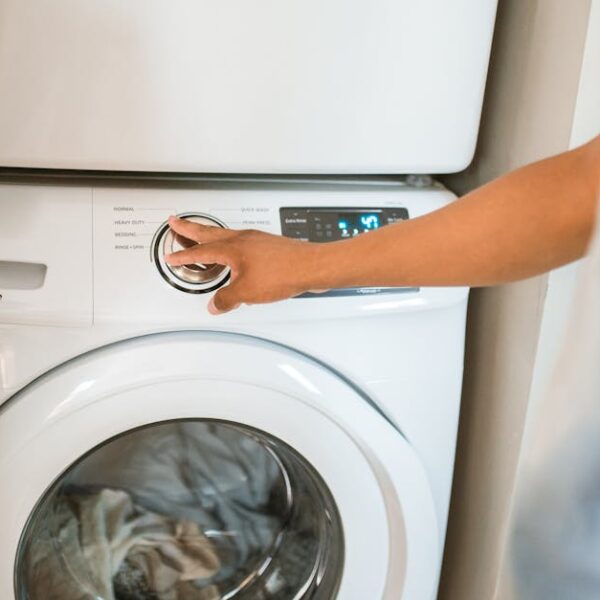
Your washing machine can unfortunately be an accomplice in your lint predicament. Older models lacking effective lint traps or models that are frequently overloaded can contribute to an excessive lint situation.
Washing Machine Care Checklist:
- Regularly clean your lint trap
- Avoid overloading the machine
- Service your machine annually
- Consider upgrading to a model with an efficient lint filter system
Impact of Lint on Clothing Quality
Aside from being frustratingly sticky and unsightly, lint can have other adverse effects. It can lead to premature color fading, thinning of fabric, and accelerated wear and tear.
Pro Tip: For items prone to lint, consider washing them separately, or even hand washing.
Preventive Measures and Solutions to Lint Problem
While lint can be a nuisance, its presence is not all doom and gloom. Tools such as lint rollers, brushes and even a change in your clothing materials can help manage pesky lint.
Pro Tip: Explore the usage of a lint remover on clothes post-wash for a lint-free wardrobe.
Comparison between Lint Removal Instruments
| Tool | Effectiveness | Convenience | Cost |
|---|---|---|---|
| Lint Roller | High | High | Low |
| Lint Brush | Medium | Medium | Low |
| Lint Shaver | High | Low | Medium |
Battle Your Lint: The Action Plan
To handle and cut down the lint, follow these steps effectively:
Step 1: Before washing, inspect your clothes for any loose threads or pilling and remove them.
Step 2: Sort your laundry by similar material types and colors.
Step 3: Choose a gentle cycle for clothes known to shed lint.
Step 4: Regularly clean and maintain your washing machine.
Step 5: After washing, check clothes for any leftover lint. Use a lint remover, if necessary.
Step 6: Carefully dry your clothes; high heat may increase lint formation. Using a clothesline instead of a dryer can be beneficial.
Step 7: Store clothes properly; avoid leaving them in places prone to dust and lint.
In conclusion, lint may seem a stubborn, uninvited guest, but with deliberate care and maintenance, you can combat this situation effectively. Understand your clothes, your washing machine, and the science behind lint to enjoy a lint-free wardrobe. So, let’s say goodbye to frustrating post-laundry lint surprises!
Key Takeaway:
- The occurrence of lint on clothes is due to a combination of tiny fibers, dust particles, and skin cells that break off because of friction during the washing process.
- Factors like water temperature, detergent type, wash setting, and clothing mix can elevate lint production during wash.
- Washing machines, particularly older models without efficient lint traps, can contribute to excessive lint, affecting the long-term quality of clothes.
- Regular maintenance of washing machines and careful handling of clothes can minimize lint. Tools like lint rollers, brushes, and even changes in clothing materials can help manage lint.
Keep in mind that while lint on your clothing after washing can be a nuisance and affect their quality, there are plenty of preventive measures, solutions and tools you can equip yourself with to combat this issue. Remember, knowledge is power, so by understanding how lint forms and what causes its accumulation, you’re already a step ahead in the fight against lint!
FAQs
Q: Is there a specific type of detergent that can reduce lint formation?
A: While detergents don’t directly prevent lint formation, using a gentle or specially formulated detergent may decrease the amount of friction during washing, thereby reducing the chance of lint production.
Q: Can I reduce lint by washing my clothes in a specific water temperature?
A: Cold water is less likely to cause shrinkage, fading, and bleeding of colors, which can all lead to lint. As a best practice, always follow the care instructions on your clothes’ labels.
Q: What materials are most prone to producing lint?
A: Some fabric types like cotton, wool, and certain synthetic blends are more prone to lint production compared to others due to their fiber structure.
Q: Is there a way to prevent lint build-up in my washing machine?
A: Yes, regular cleaning of your washing machine, especially the lint trap if it has one, can significantly reduce lint build-up. It’s also advisable not to overload the machine, as it can lead to more friction and lint production.
Q: Does the color of clothing affect lint formation?
A: While color doesn’t directly influence lint production, dark-colored clothing tends to show more lint compared to light-colored clothing, making it seem more prone to lint.
Please share this article with others who might find it helpful, and feel free to explore more posts on our website for inside tips on everyday dilemmas!